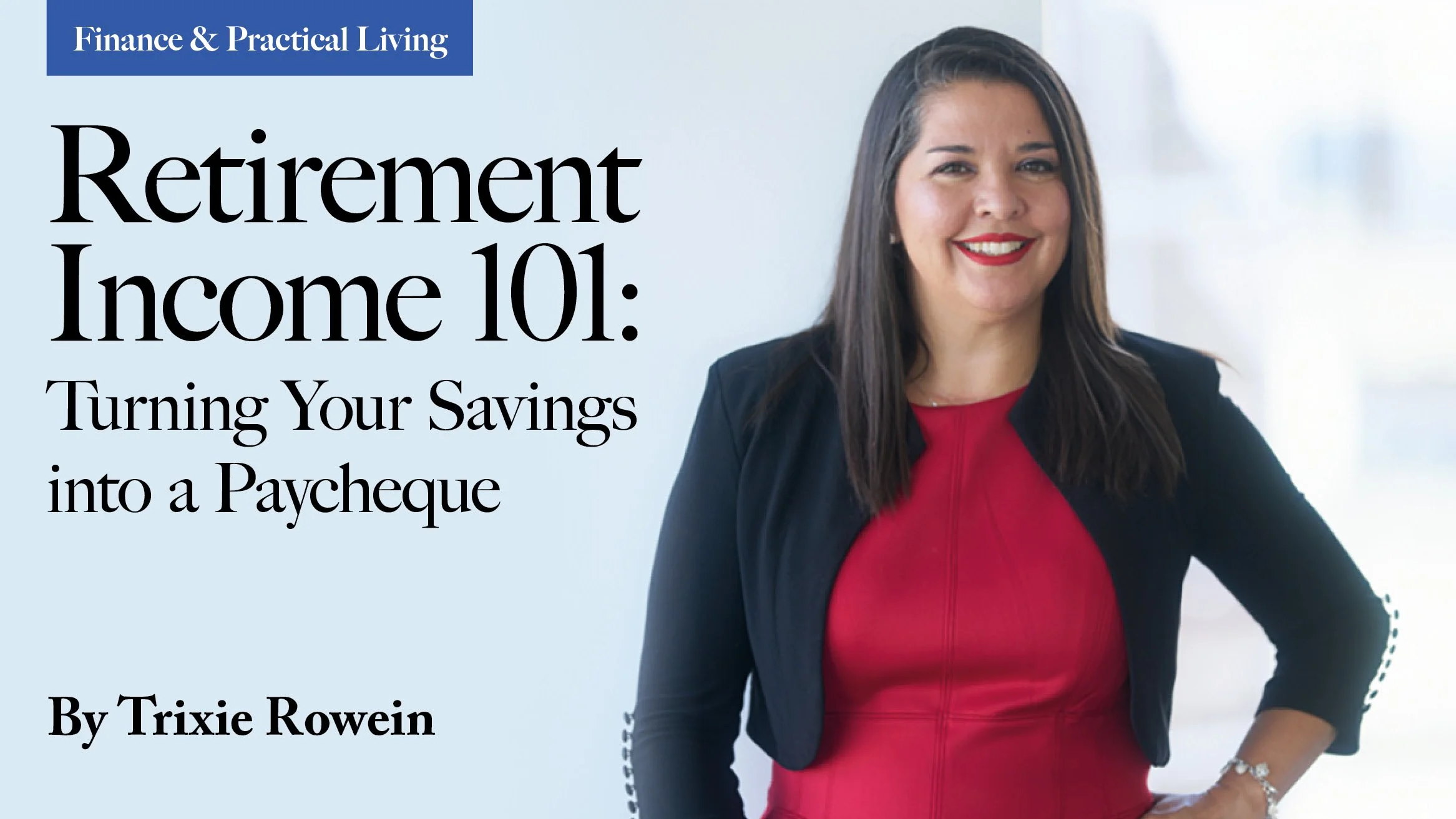
By Trixie Rowein
Retirement is one of life’s greatest milestones. After decades of hard work, saving, and planning, you finally have the opportunity to enjoy your time on your terms. But in my 26 years of experience guiding clients, I have seen retirement bring a new challenge - switching your mindset from accumulating wealth to now generating income from your savings and learning how to spend it wisely.
The good news? With the right strategy, your retirement income can be just as dependable as the paycheque you received during your working years.
Retirement Income Sources
Many retirees enter retirement with a portfolio, possibly a pension and government benefits. Yet they often feel financially uncertain because the steady employment income has stopped.
Think of retirement income planning like building a stool with several strong legs. Each source of income contributes to your financial stability:
Canada Pension Plan (CPP)
Old Age Security (OAS)
Workplace pensions
Registered Retirement Savings Plans (RRSPs) and Registered Retirement Income Funds (RRIFs)
Tax-Free Savings Accounts (TFSAs)
Non-registered investments
The goal is to coordinate these sources so they work together efficiently and sustainably. A thoughtful withdrawal strategy can help you keep more of your money, smooth out your lifetime tax bill and potentially reduce OAS clawback exposure.
Understanding Government Benefits
For most Canadians, retirement income begins with government benefits.
In 2026, the maximum Canada Pension Plan (CPP) retirement benefit at age 65 is approximately $1,507 per month, although most retirees receive less depending on their contribution history. CPP can be taken as early as age 60 at a reduced rate or postponed up to age 70 for a larger benefit.
Old Age Security (OAS) provides additional income. Canadians aged 65 to 74 can receive up to approximately $752 per month, while those aged 75 and older may receive up to $827 per month. OAS cannot be taken early but can be postponed until age 70 for a larger benefit. Remember, OAS benefits are income-tested and can be reduced, or clawed back, if your income is above approximately $95,000.
A couple receiving full CPP and OAS could potentially receive more than $4,500 per month before considering pensions, RRIF income, or investment withdrawals.
These government programs provide a valuable foundation, but for many retirees they won’t be enough to maintain their desired lifestyle.
Know What Retirement Will Cost
Before deciding how much to withdraw from your savings and investments, you need to understand your spending needs.
Think about your expenses in three categories:
Essential costs such as housing, groceries, insurance, and healthcare.
Lifestyle expenses such as travel, hobbies, and entertainment.
Major future expenses such as home renovations, vehicles, or helping family members.
Turning Your RRSP into Income
At retirement, most Canadians convert their RRSP into a Registered Retirement Income Fund (RRIF).
A RRIF allows your investments to remain invested while providing regular withdrawals. You can think of it as creating your own personal pension plan.
The biggest challenge is finding the right balance. Withdraw too much, and you may deplete your savings prematurely. Withdraw too little, and you may unnecessarily limit the lifestyle you’ve worked so hard to enjoy.
A retirement income plan should consider:
Life expectancy
Inflation
Investment returns
Taxes
Estate planning goals
The objective is simple: create sustainable income that can last throughout retirement.
Don’t Forget Your TFSA
The Tax-Free Savings Account (TFSA) is one of the most valuable retirement tools available.
Unlike RRIF withdrawals, TFSA withdrawals are completely tax-free. They do not increase taxable income and do not affect OAS eligibility.
Many retirees use their TFSA strategically when they need extra income for a vacation, vehicle purchase, or unexpected expense. This flexibility can reduce taxes and preserve valuable government benefits.
Prepare for Inflation
Retirement today can easily last 25+ years. During that time, inflation steadily erodes purchasing power. The groceries, travel, and healthcare costs you face today will likely cost considerably more in the future.
That’s why retirement income planning isn’t simply about generating income today. Your investment portfolio should continue growing enough to help offset inflation and support future spending needs.
Final Thoughts
Retirement income planning isn’t about maximizing account balances. It’s about creating confidence with a thoughtful strategy that will allow you to live well today while feeling secure about tomorrow.
You spent years building your wealth. Now it’s time to let that wealth support the life you envisioned: more family, more experiences, and more peace of mind. Reach out to my team to learn more or for a second opinion.
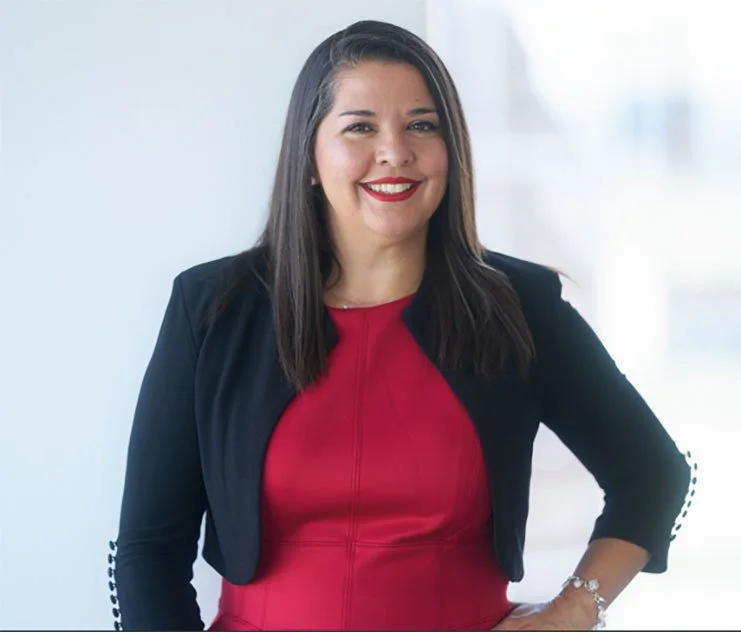
Trixie Rowein
Trixie Rowein is known for her work ethic and commitment to the community and clients. She started her career at Raymond James in 2000 as a financial advisor and has been empowering and guiding clients to make smart decisions for 25 years. She and her team specialize in advising clients going through a transition, including retirement, loss of a spouse through death or divorce and transitioning wealth to the next generation. Growing up in Edmonton in an immigrant family, she saw firsthand how smart financial planning could transform lives.
As a lifelong learner, she has earned several designations, including the Certified Professional Consultant on Aging (CPCA) designation, as serving our aging population matters to her. She values education - writing a weekly e-newsletter, in addition to hosting regular seminars and speaking to high school and UofA students. Trixie is on the Board of Directors of Little Warriors charitable organization, and part of the Raymond James Canada Foundation (RJCF) Advisory Committee. She and her husband Ian enjoy travelling, gardening and spending time out at their acreage. Trixie has two daughters and is fluent in Spanish.
Information in this article is from sources believed to be reliable; however, we cannot represent that it is accurate or complete. It is provided as a general source of information and should not be considered personal investment advice or solicitation to buy or sell securities. Raymond James advisors are not tax advisors, and we recommend that clients seek independent advice from a professional advisor on tax-related matters. The views are those of the author, Trixie Rowein, and not necessarily those of Raymond James Ltd. Investors considering any investment should consult with their Investment Advisor to ensure that it is suitable for the investor’s circumstances and risk tolerance before making any investment decision. Raymond James Ltd. is a Member of the Canadian Investor Protection Fund. Raymond James Ltd. is a Member of the Canadian Investor Protection Fund.