

An Interview with Photographer Don Campbell
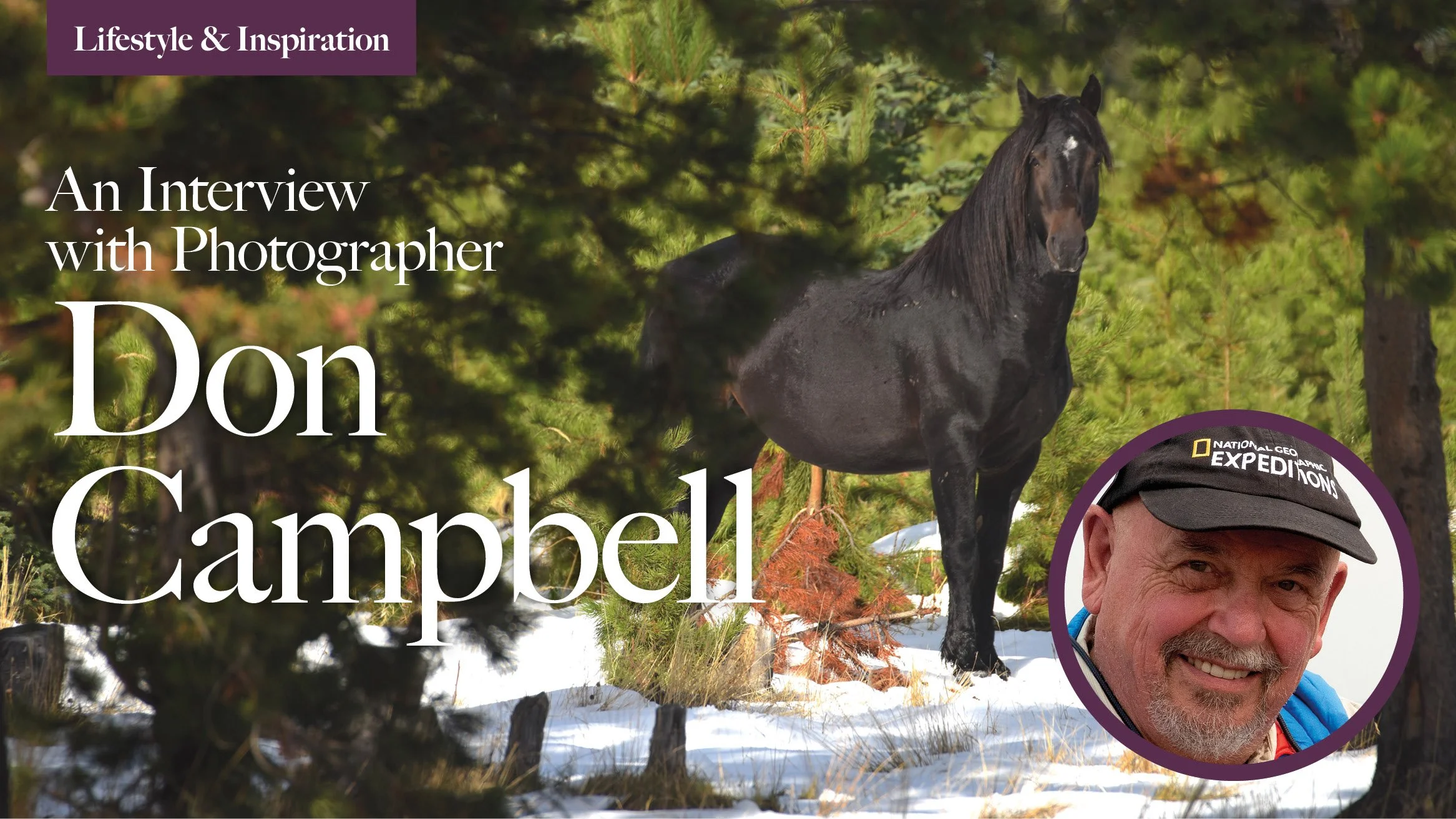
For many people, retirement is a time to slow down. For photographer Don Campbell, it has been a time to keep exploring, creating, and seeing the world through an ever-curious lens. After a remarkable career spanning film, television, and education, Don has continued to pursue photography with the same passion and sense of wonder that first drew him to a camera as a teenager.
Don has travelled to more than 100 countries, capturing extraordinary wildlife, landscapes, and candid human moments along the way. His work is thoughtful, patient, and deeply observant, revealing not only the beauty of the world, but the many ways we each interpret what we see. Whether photographing lions in Zambia, people in Ethiopia, or quiet moments closer to home, Don approaches photography less as taking pictures and more as “framing” life itself.
In this conversation, Don reflects on creativity later in life, the lessons travel has taught him, and why it is never too late to pick up a camera — or pursue any passion that sparks curiosity and joy.
KL: After a long career in film, television, and education, what drew you more deeply into photography later in life, and what has it given you personally?
DC: Every part of my career was driven by visuals; I primarily think visually. The reward lies in being able to express my views of the world by sharing images.
I began photography in high school, and my first paying job was during grade 12. CHBC TV had gone on the air in the Okanagan Valley in December of 1958, and when the staff was put together, they had forgotten a photographer to take images of products for local advertisers. With no budget, they went to the high school to hire a kid, which was me.
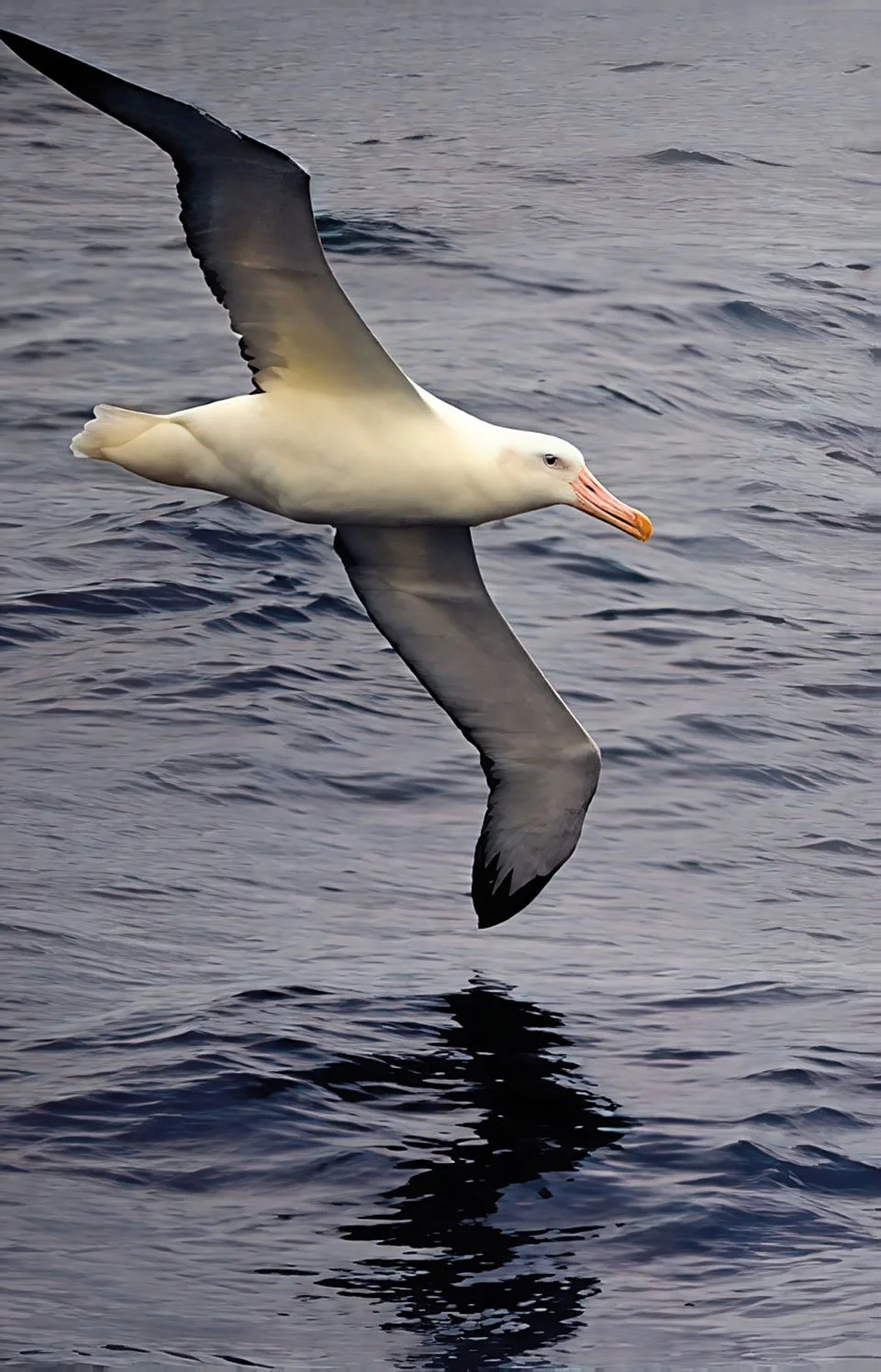
KL: You’ve travelled to more than 100 countries photographing wildlife, landscapes, and people. Which experiences changed the way you see the world — or yourself — the most?
DC: Most of my work is in photographing wildlife, yet the most interesting country I have visited is Ethiopia. There is little wildlife, but the people there are pure eye candy. My camera loves them.
KL: Many of our readers are entering a stage of life where they finally have time to pursue creative passions. What would you say to someone in their 50s, 60s, or 70s who feels it may be “too late” to begin photography or another artistic pursuit?
DC: I can only speak for photography, but my message is that it is never too late to pick up a camera. The secret is to consider what you see through the viewfinder before touching the trigger. Limit the scope to your subject, and ensure the foreground and background support, rather than distract.
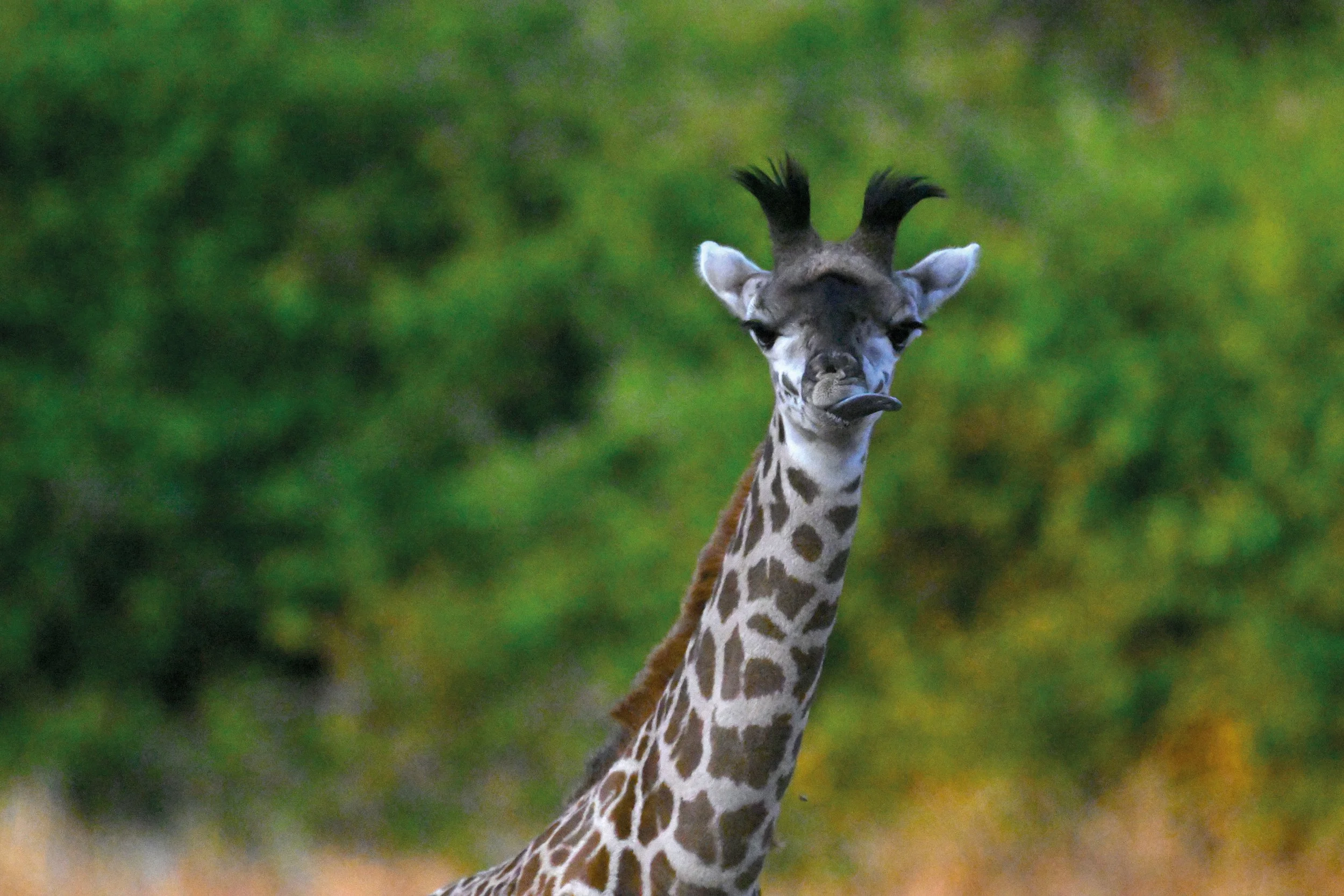
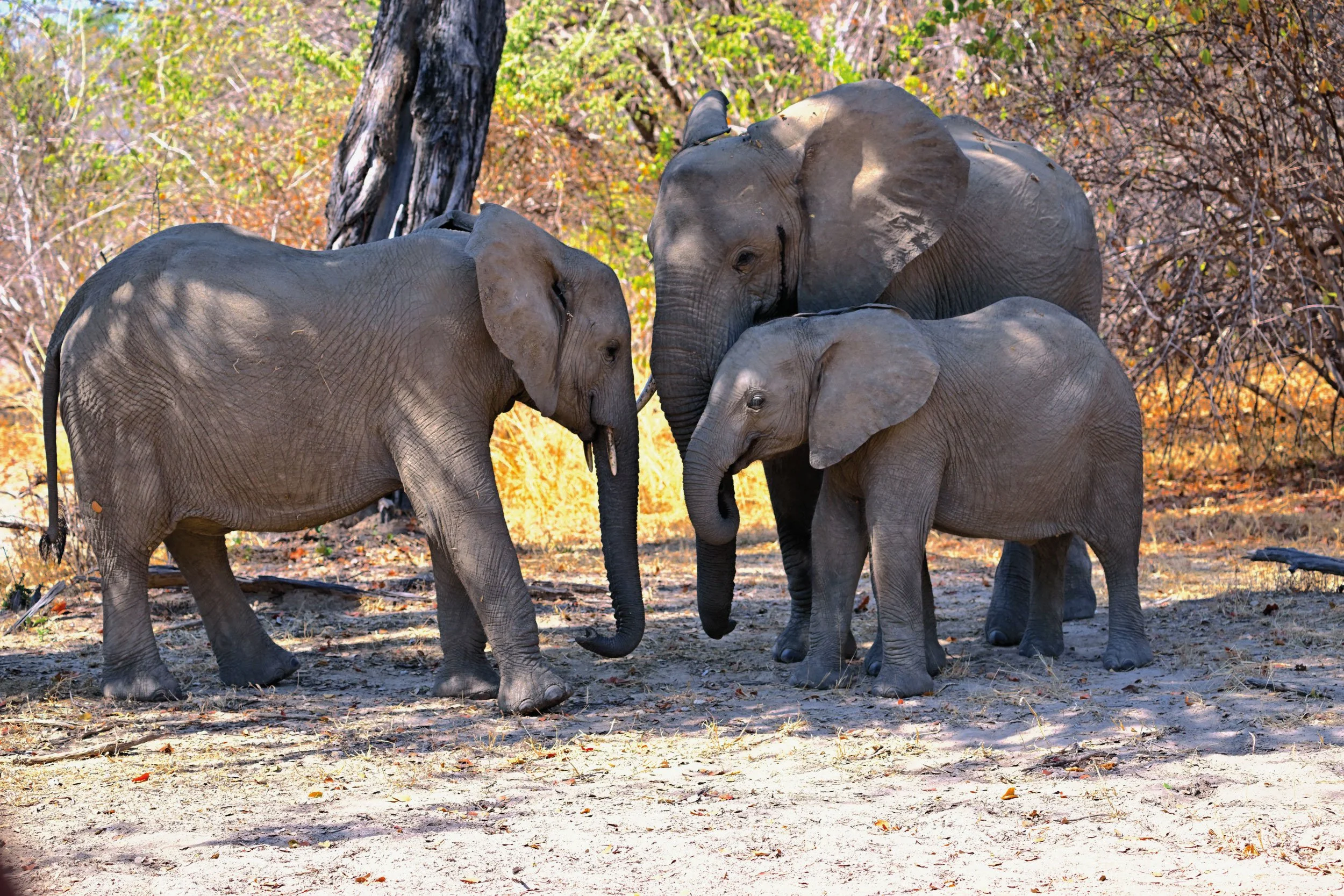
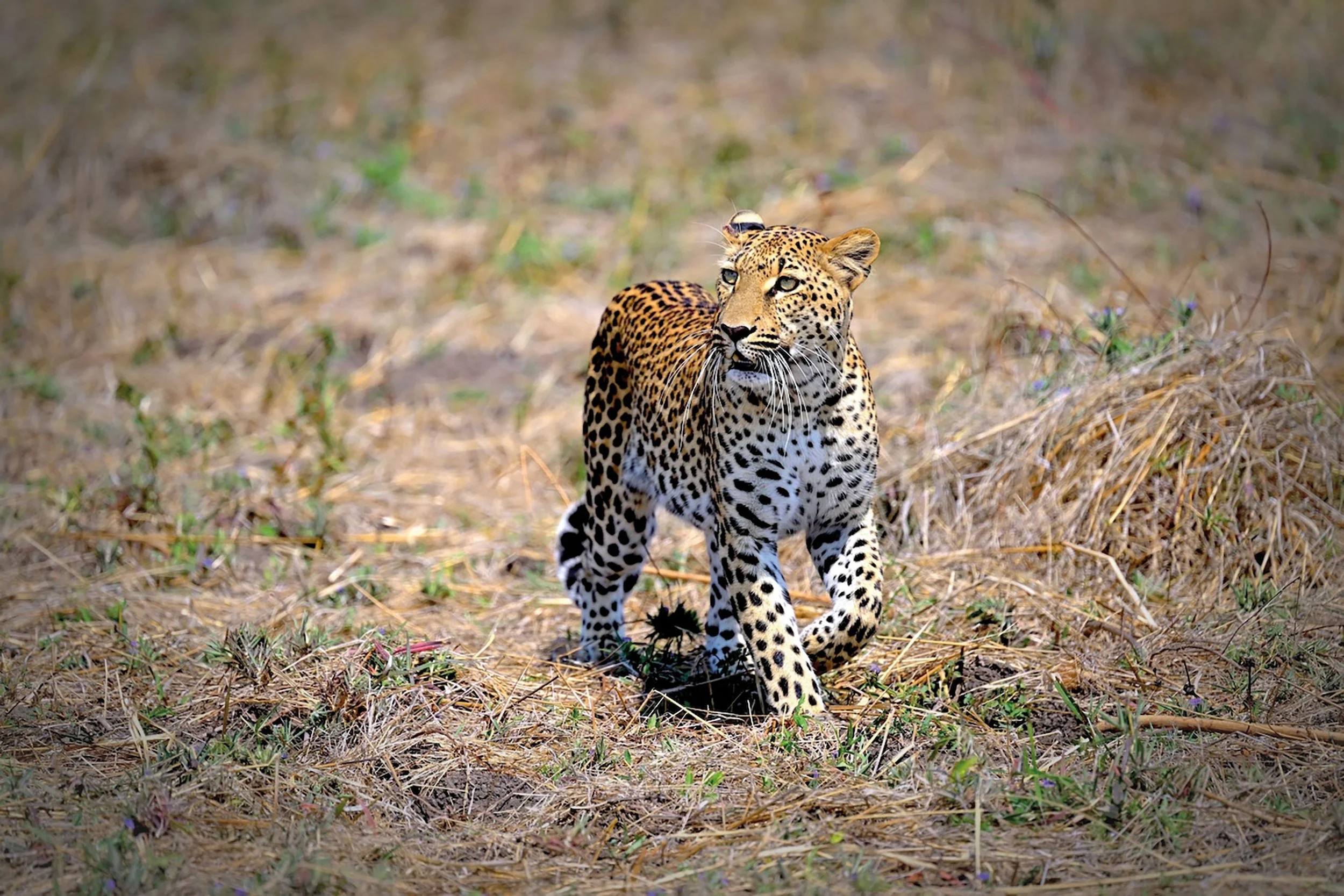
KL: Your work captures candid, unscripted moments. What do you think photographs reveal about people that words sometimes cannot?
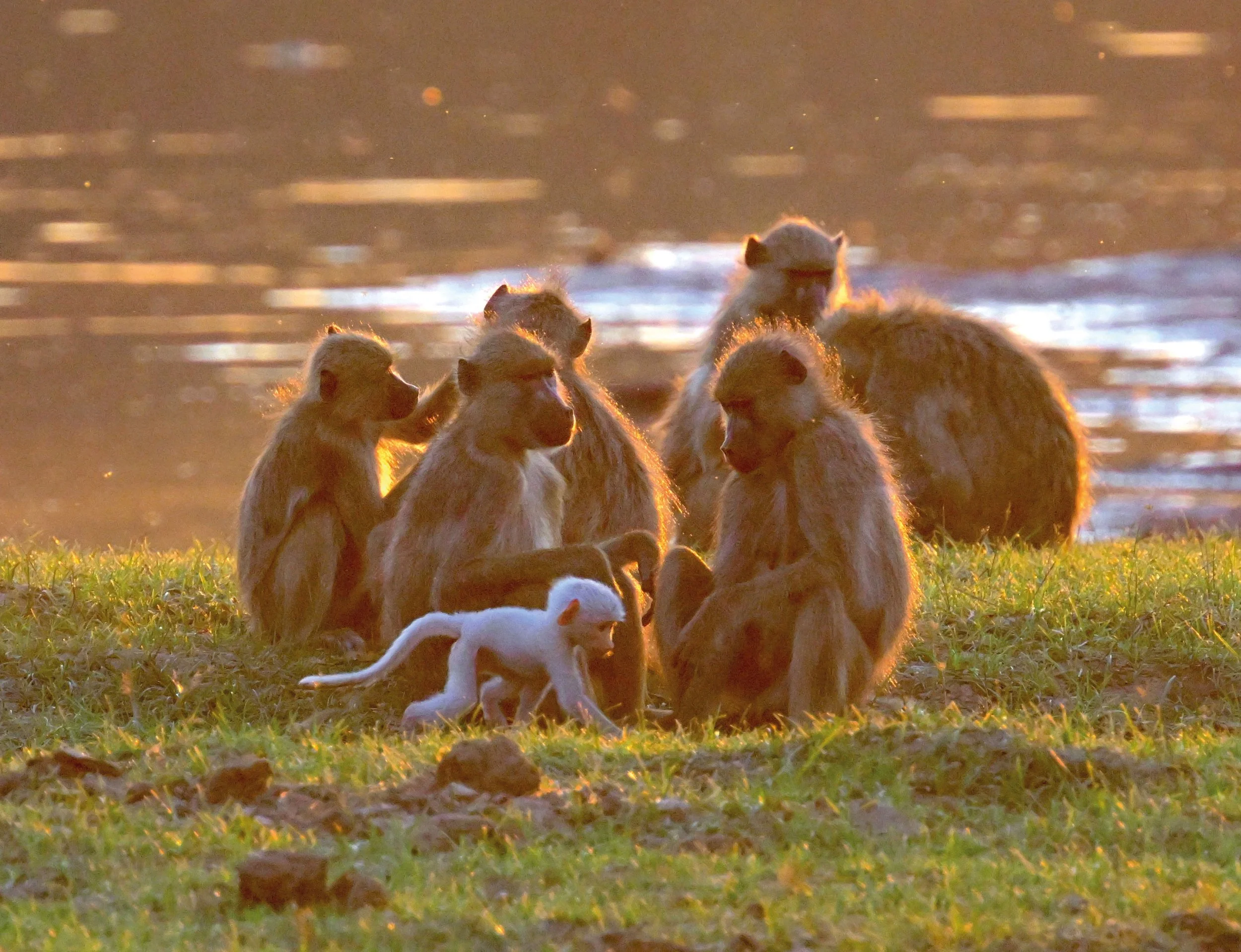
DC: What I see is unique to my perception of the world, and once I make it public, how it is perceived is entirely up to the viewer. When we listen to music or go for a walk, everything that strikes our senses must first negotiate the filters we all have. A farmer will view the grain field by its potential for a profitable crop, an artist will see the waving of the plants in the breeze and shifting colours, while a glider pilot will view the best way to land on it in an emergency.
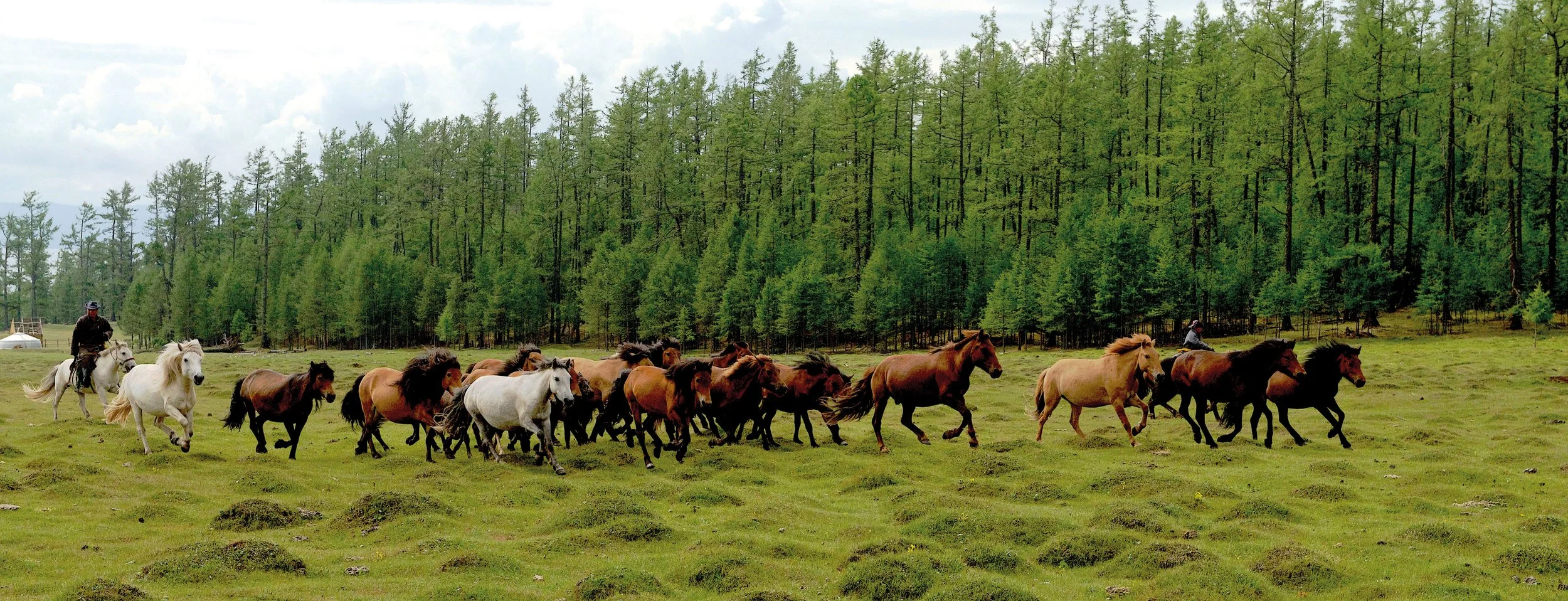
KL: You’ve spoken about the idea of “framing” rather than “composition.” Can you explain that philosophy, and how it applies not only to photography, but perhaps to life itself?
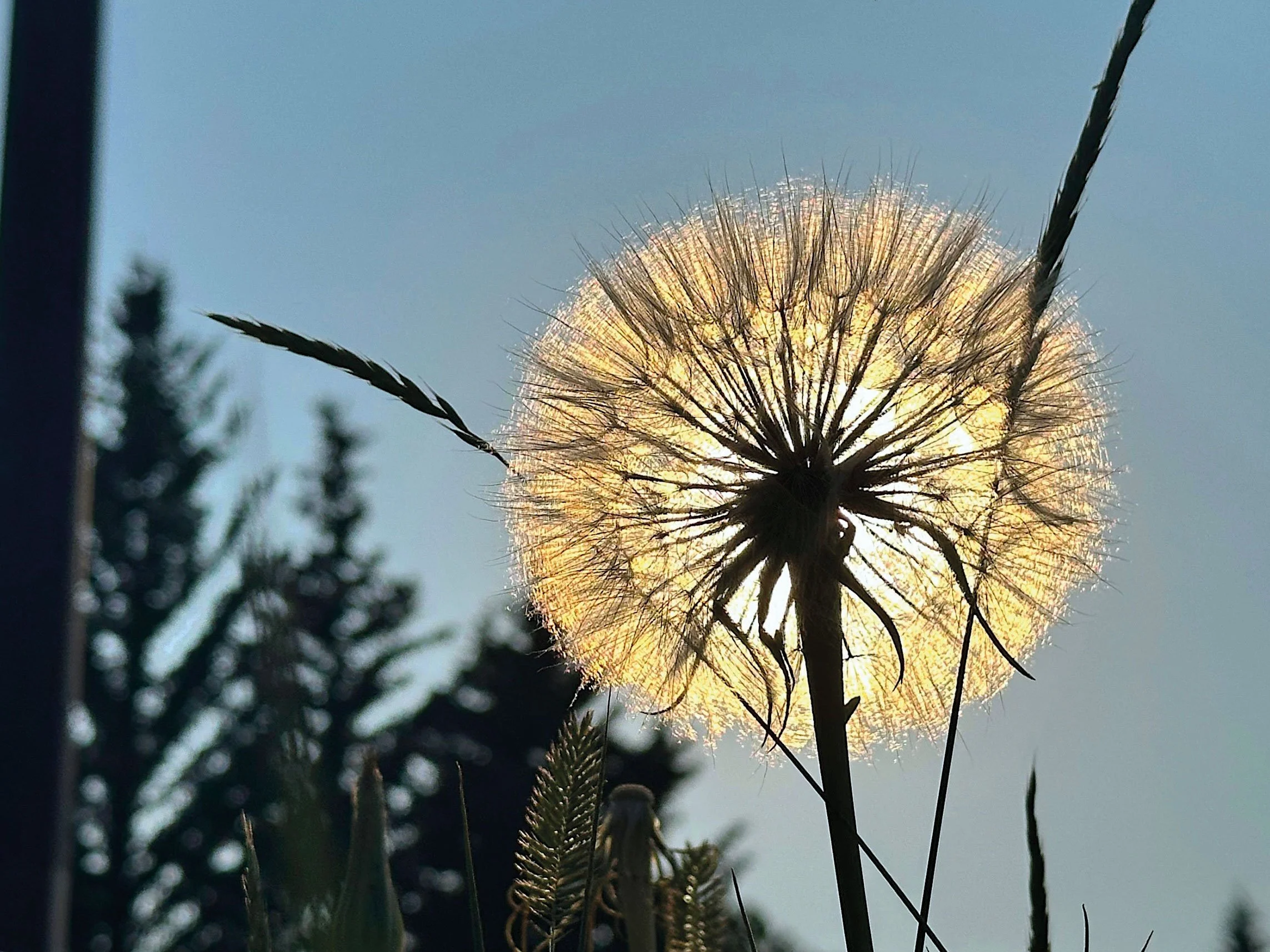
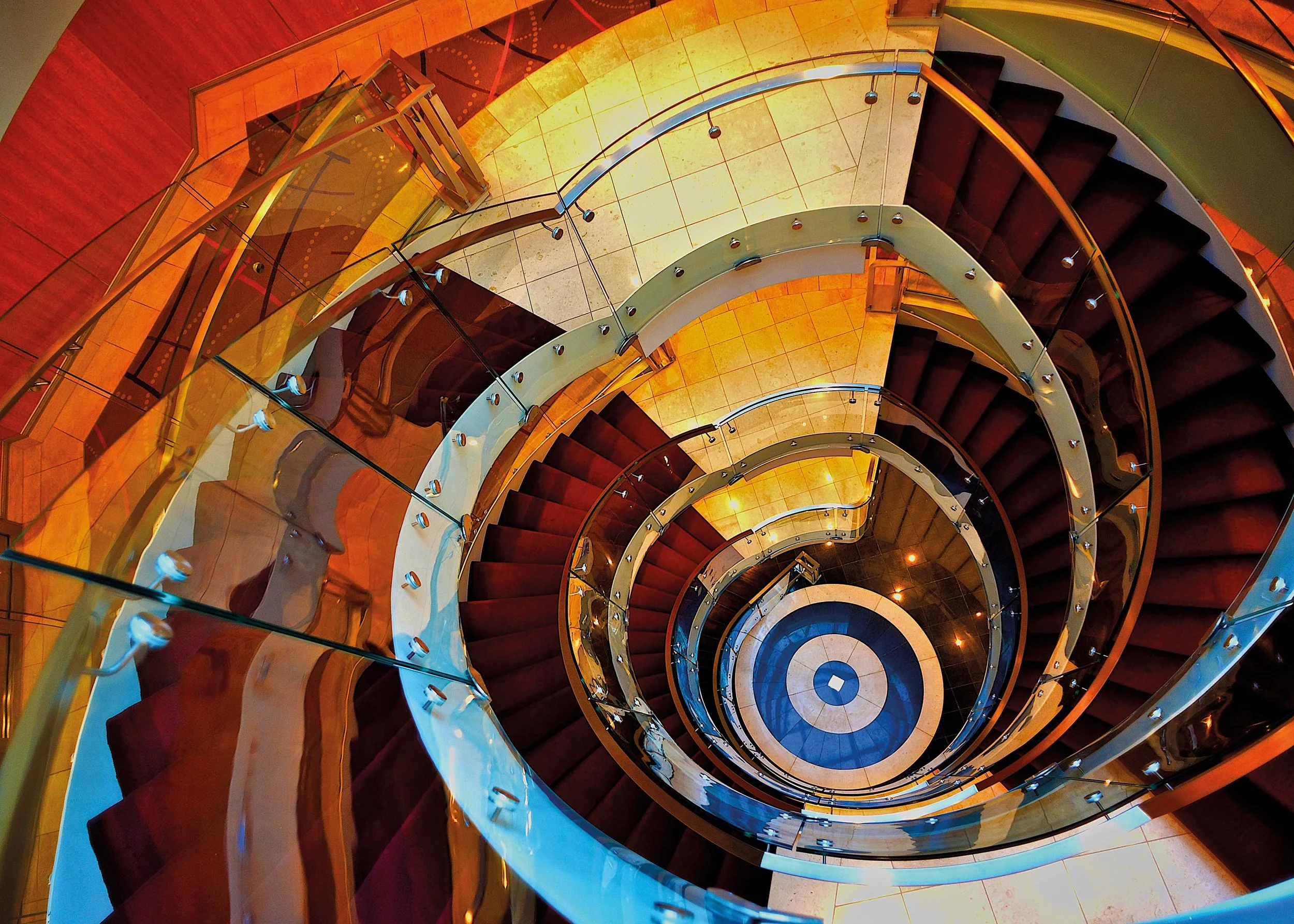
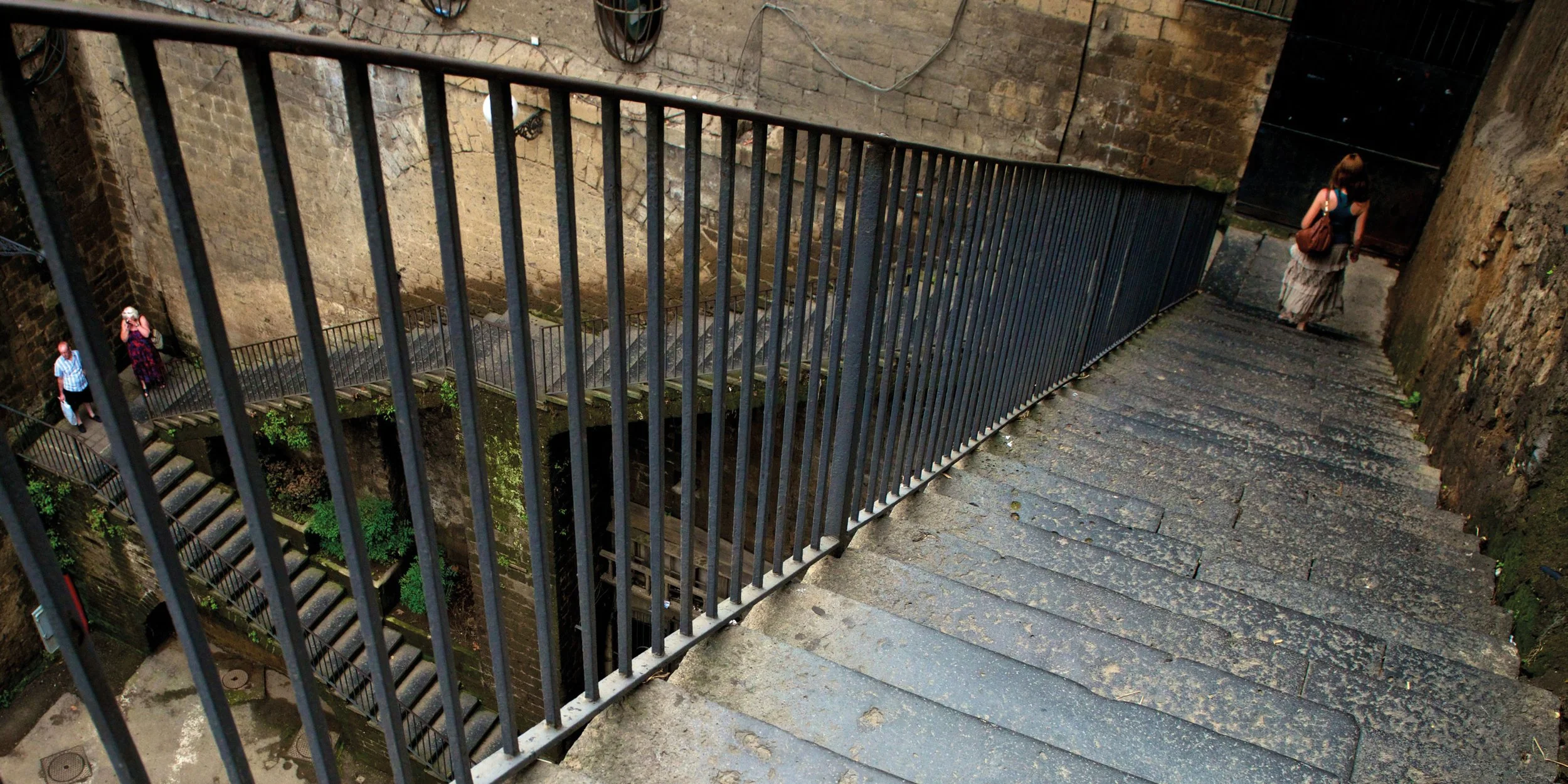
DC: Composition is the word we use to describe what a painter does while placing elements in the frame, to provide a certain tension, balance and structure to an image created on a blank canvas. A photographer finds all elements already in place, and chooses a place and angle to observe the elements to achieve the same thing. This applies also to how we observe the elements in life, and how they interact.
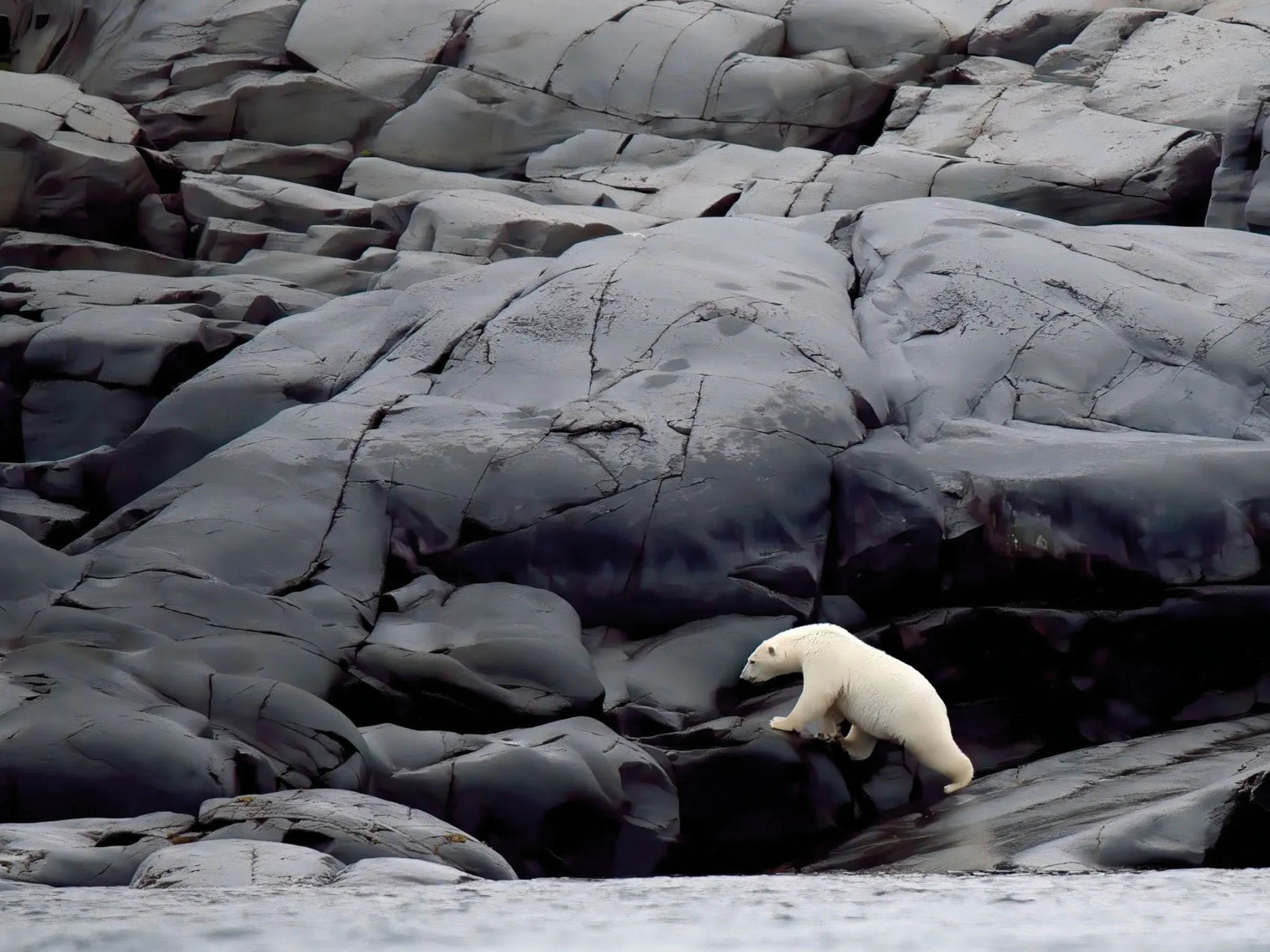
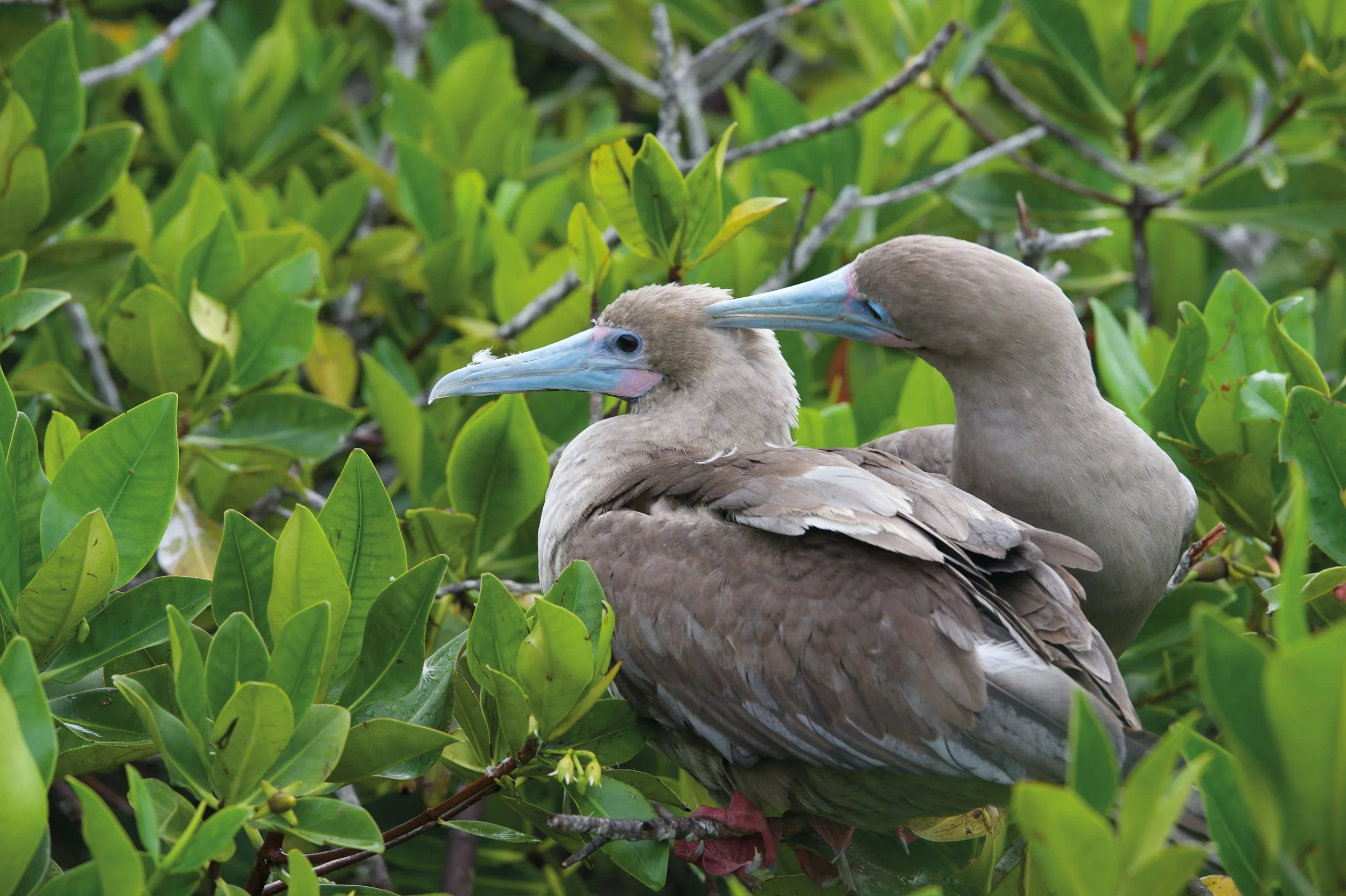
KL: Of all the places and wildlife you’ve photographed, is there one image that still stops you in your tracks emotionally? What’s the story behind it?
DC: My reaction is better expressed as different rather than favouring one over another. The images that bring me a strong reaction are usually to do with mothering. One that immediately comes to mind is from Tanzania. It captures a close-up profile of a cheetah with her neck arched, her nose almost touching the head of one of her cubs.
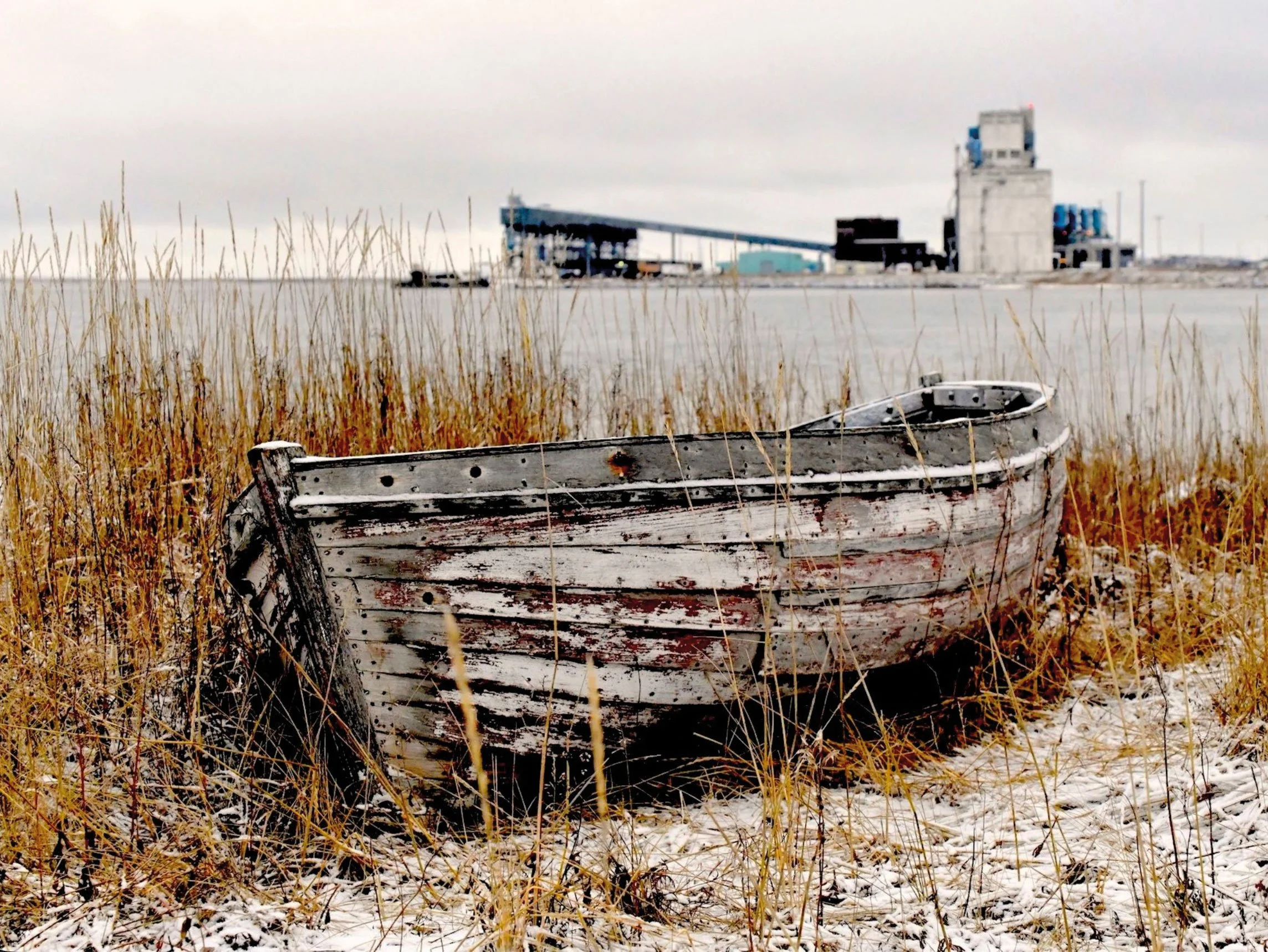
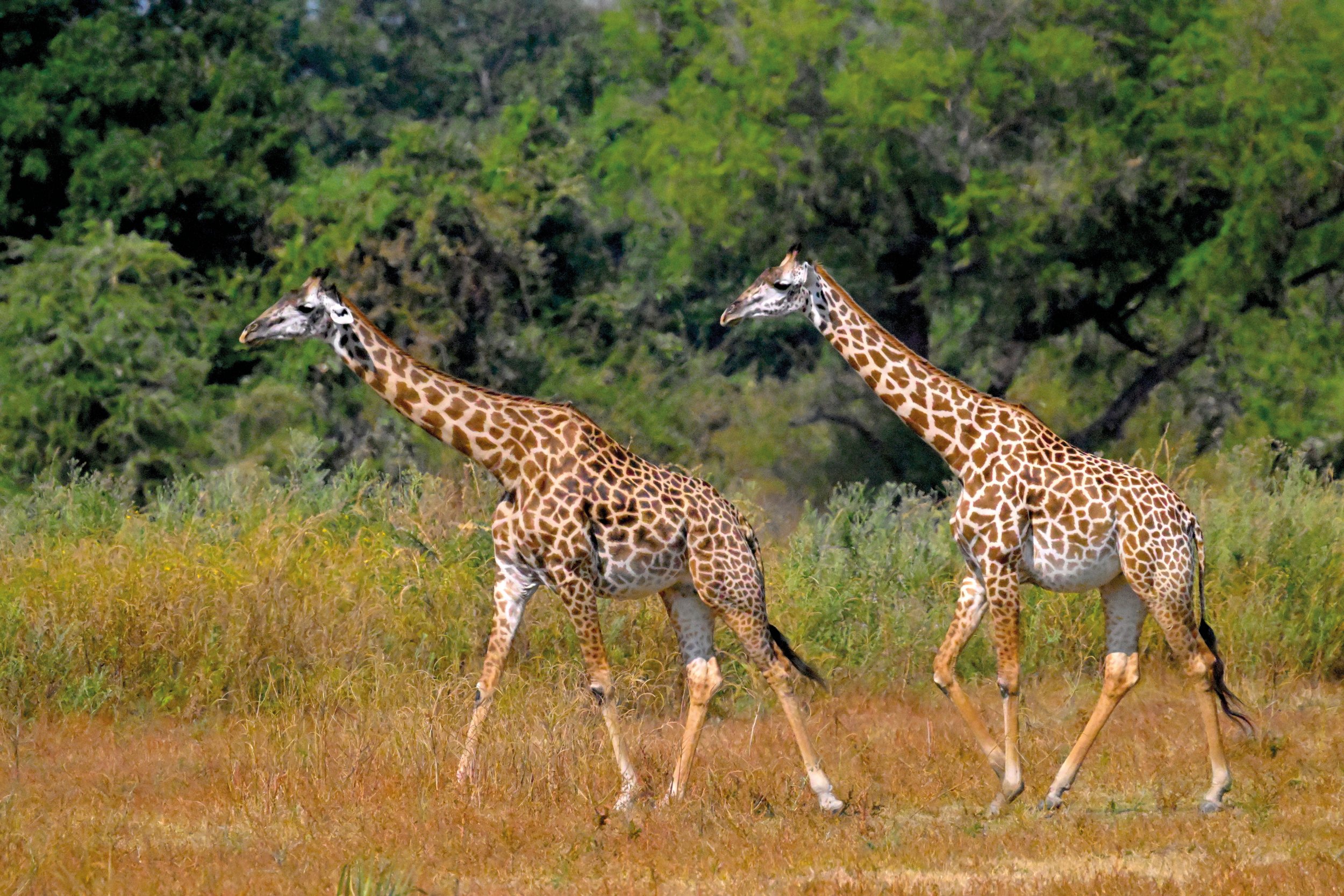
KL: Travel and photography often require patience, adaptability, and curiosity. Have those qualities become more important as you’ve gotten older?
DC: I believe patience, adaptability and curiosity become a larger part of our lives as we mature. The balance differs with individuals.
KL: In a world where everyone has a smartphone camera, what separates a meaningful photograph from just another picture?
DC: The quality of an image has less to do with the instrument than the nut behind the camera. The biggest aspect is the consideration of the elements, rather than a snapshot.
KL: Looking back over your career, what moments or accomplishments are you most proud of, not necessarily professionally, but personally?
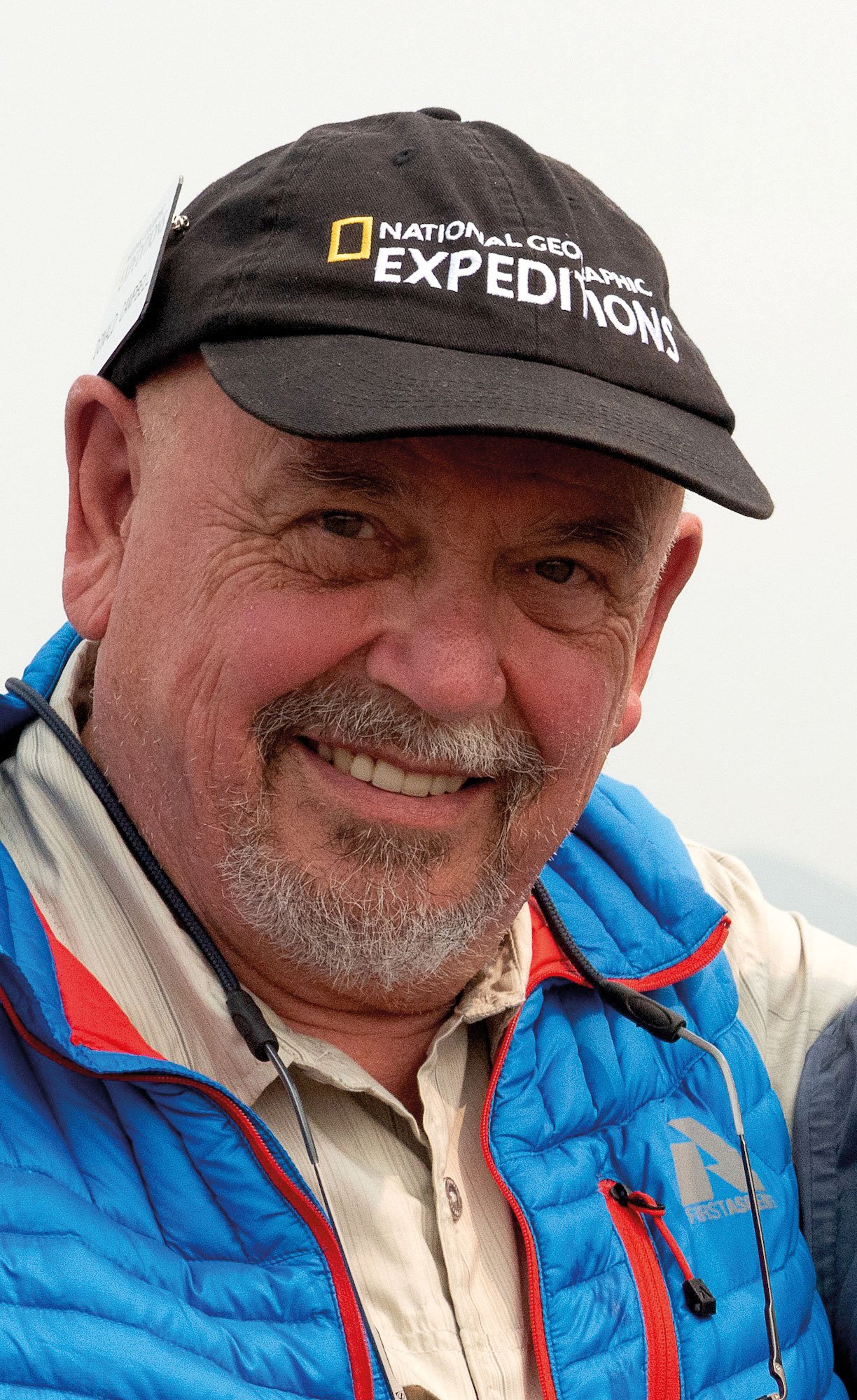
Don Campbell, Photographer
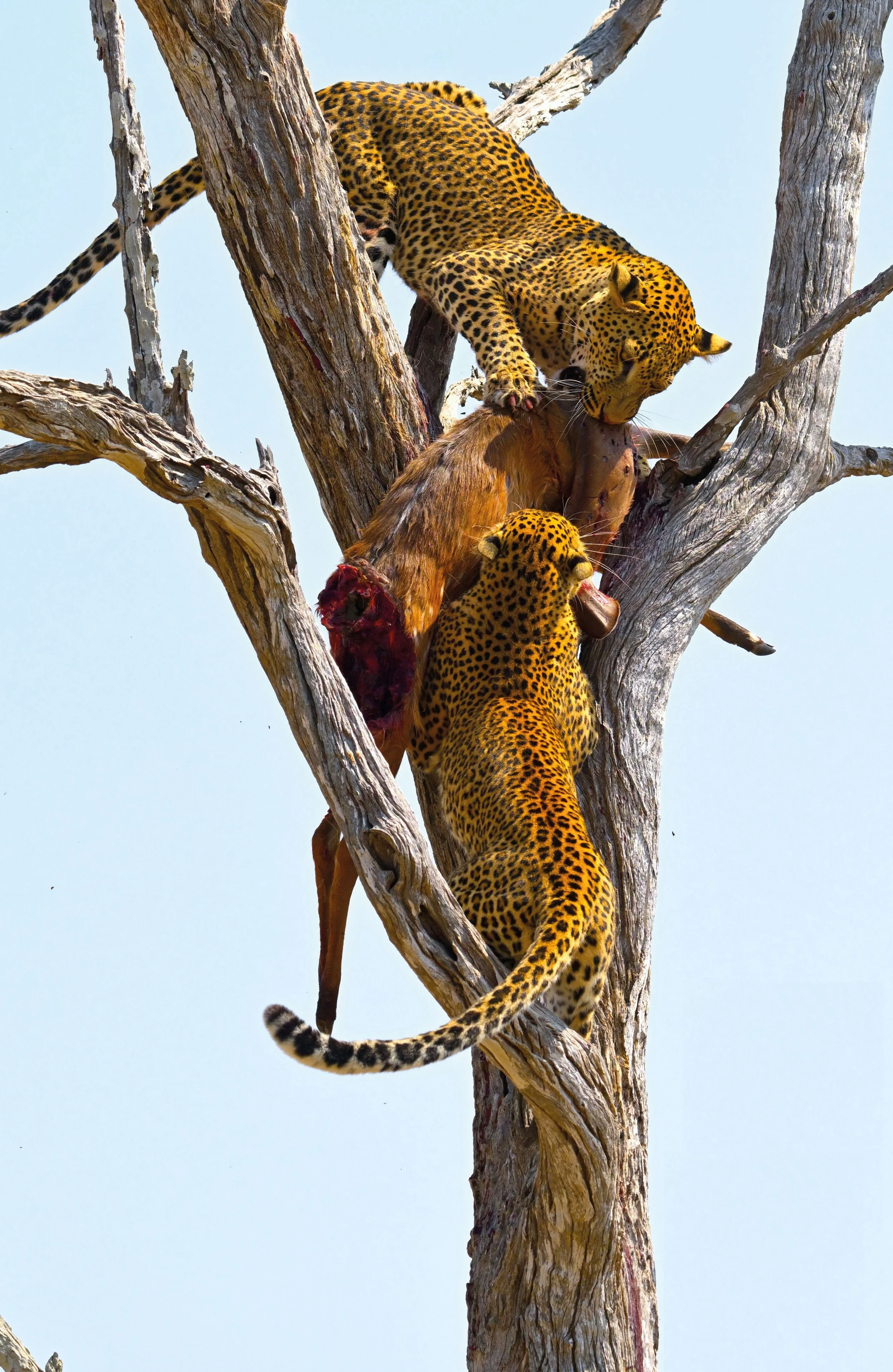
DC: Pride is not my metric for success. The happiest experiences are when I am in the right place at the right time, often thanks to the skill and knowledge of a good guide. My happiest experience was a trip to Zambia in May and June of 2024. Our guide brought us to a super-pride of 15 lions, and the next day to three leopards in a small space, competing for a gazelle.
KL: What still inspires you to pick up a camera today, and what do you hope people feel when they view your work?
DC: My primary inspiration is recognizing how much there is to see, and so many ways of viewing what is there. Picking up my heavy camera and getting out there keeps me strong and not feeling my 85 years. In my youth, I believed 50 was old, but I’m still losing sleep over what I’m going to do with my life when I grow up. My hope for others is that my work inspires them to travel and see the richness of the world. It’s not necessary to fly, as there is so much to see in our own backyards.