


How one man’s search for his family’s past became a mission to preserve an extraordinary chapter of Canadian history
By Kerri Leland
Studio photography by VOH Photography
The afternoon began with an old photograph and a handful of census records.
Leander K. Lane had stopped in to visit his father, who was sorting through family documents and trying to piece together fragments of their ancestry. Spread across the table were faded photographs, government records and the name of a man who, despite being Leander’s great-grandfather, remained something of a mystery…
His name was Julius Caesar Lane.
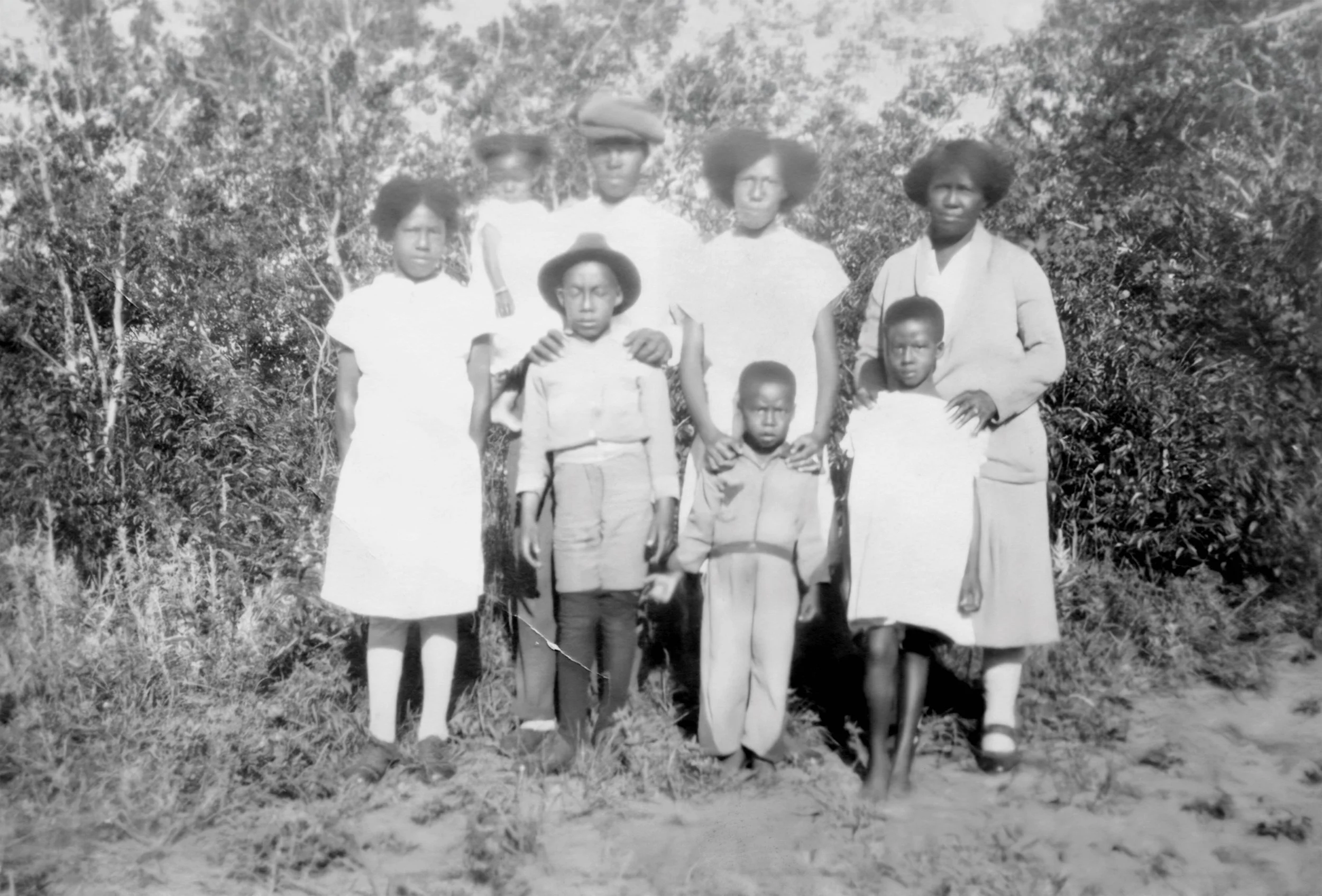
Leander Monk Lane family, circa 1932.
Born into slavery in Virginia in 1850, Julius would eventually journey to Oklahoma before travelling north to Saskatchewan, where he helped establish one of Western Canada’s earliest Black pioneer settlements. Yet as father and son compared their information, Leander made an unsettling discovery.
“The historians knew more about my great-grandfather than we did,” he recalls.
The realization stayed with him long after he left that afternoon. If strangers had documented his family’s story while generations of his own descendants knew so little, perhaps it was time to change that.
He couldn’t have known it then, but that moment would shape the next quarter century of his life.
It would lead to hundreds of hours spent combing through archives and census records, countless conversations with descendants scattered across Canada and the United States, the restoration of a historic church and cemetery, and eventually the publication of The Road to Shiloh. Along the way, retirement would become something he had never expected—not the end of a career, but the beginning of his life’s most meaningful work.
For Lane, preserving history has never been about looking backward for nostalgia’s sake. It’s about understanding who we are, where we come from, and what we owe to those whose stories might otherwise disappear.
“I believe there’s a deep human need to understand our background and our roots,” he says. “I only wish I’d started asking more questions while there were still more people around to answer them.”
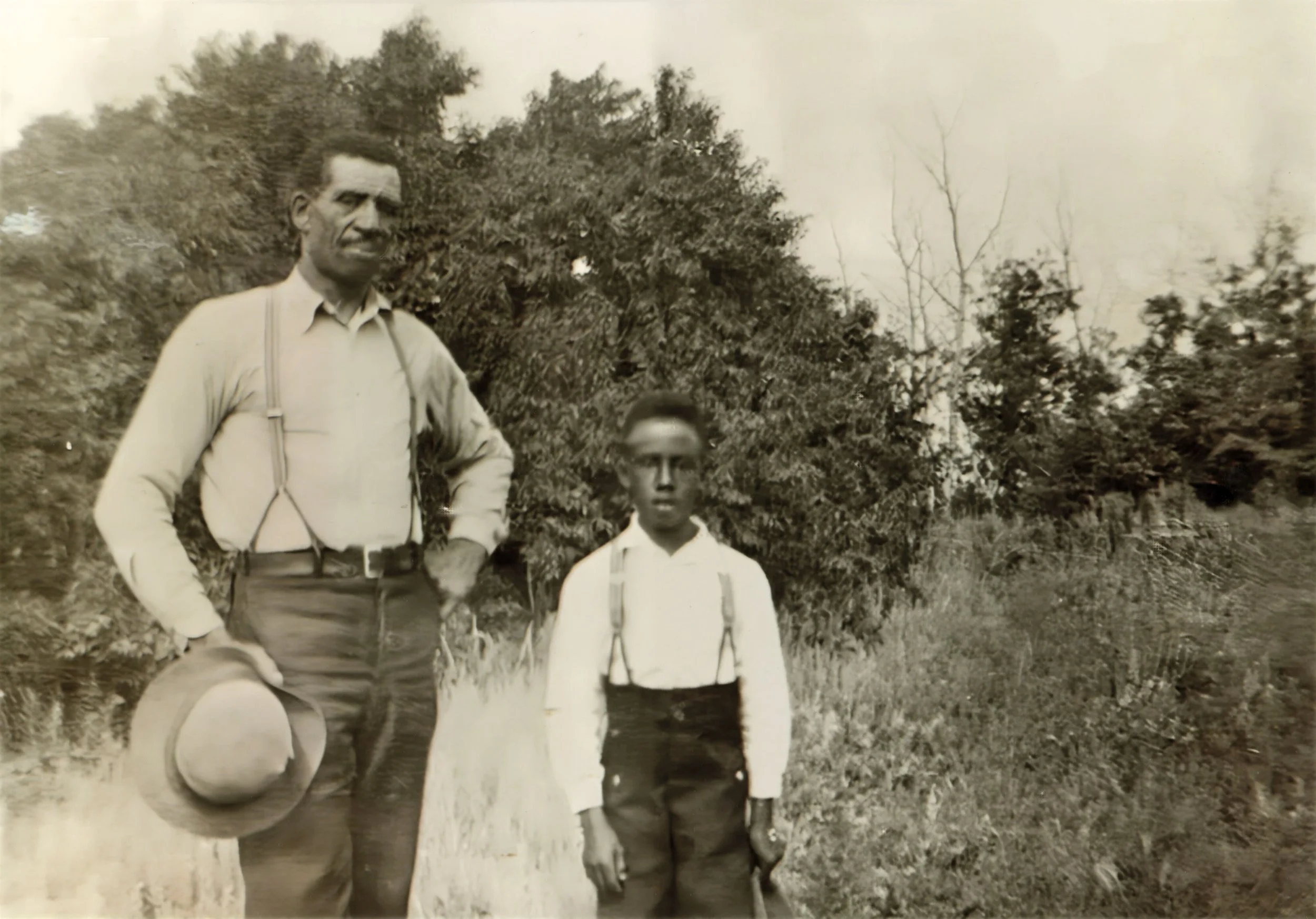
Leander’s grandfather Leander Monk Lane and father Leander Junior Lane.
Growing up with questions
Long before he became an author, historian and sought-after speaker, Leander was simply a curious boy who loved books.
His parents couldn’t easily afford it, but they purchased a set of encyclopedias for their home because they recognized their son’s appetite for learning. He read them for pleasure, absorbing everything from science to world history, earning the nickname “the professor” from friends who marvelled at how much he seemed to know.
That curiosity became a constant throughout his life.
Growing up in Alberta during the 1960s and early 1970s, however, curiosity wasn’t reserved solely for books. It was often directed at him.
As the son of a Black father who had been born and raised on a Saskatchewan farm and a Scots-Irish mother from Edmonton, Lane regularly found himself answering questions about his background.
“What are you?” people would ask.
“Where are you from?”
He developed what he jokingly calls “stock answers,” explaining that his father was Black, his mother was white, and that his father’s family had farmed in Saskatchewan. While most people accepted the explanation, many found it difficult to believe there had been Black farming communities on the Canadian Prairies.
Those conversations could easily have fostered frustration or resentment. Instead, they strengthened his desire to understand his own identity.
He proudly embraced his Black heritage, admired leaders such as Martin Luther King Jr. and Muhammad Ali, followed the Civil Rights Movement unfolding in the United States and eagerly read Roots when it was published. Yet his understanding of identity would continue to evolve in unexpected ways.
As a young man, he fell in love with Betty, a young Cree woman from a reserve south of Edmonton. Through her family, he experienced Indigenous culture from the inside rather than from a distance.
He attended sweat lodges, powwows, feasts and traditional ceremonies, experiences that profoundly changed his understanding of Canada’s history and the resilience of Indigenous communities.
Those years also brought unimaginable heartbreak. The couple lost a daughter they named Feather, who was stillborn.
Even now, more than four decades later, Lane remembers the ceremony that followed with remarkable clarity.
He remembers the scent of burning sweetgrass and sage drifting through the air. He remembers the pipe ceremony, the drumming and the feast shared afterward. Amid profound grief, he also found a deep sense of community, compassion and healing.
“It was a whole different world from the one I’d grown up in,” he says.
Living among the Cree gave him a perspective few Canadians experience firsthand. He saw parallels between the histories of Indigenous peoples and Black communities—histories marked by hardship, perseverance and remarkable resilience despite generations of discrimination.
Those lessons would quietly shape the way he approached history for the rest of his life.
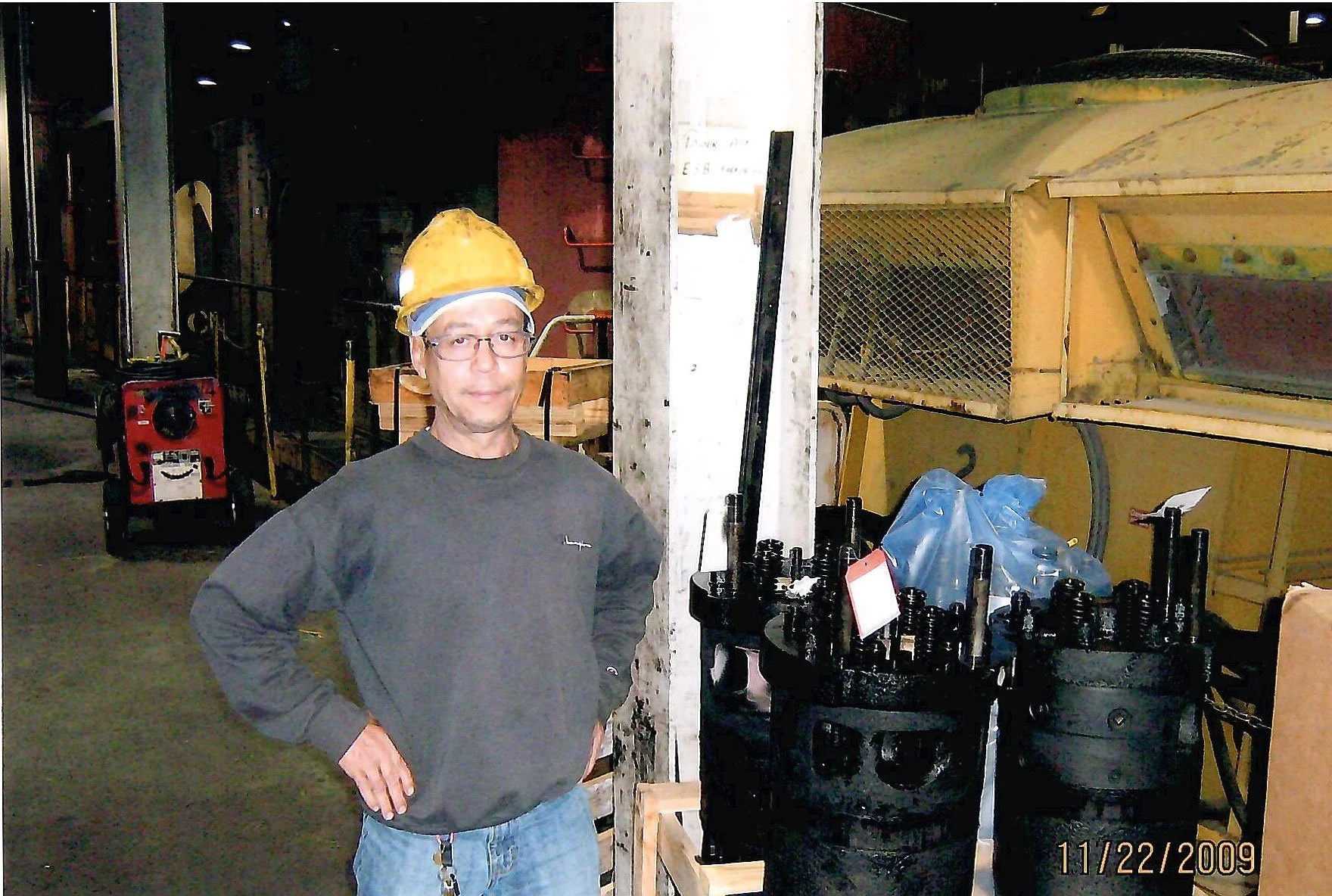
Leander at work at CN.
Skills for a future he couldn’t yet imagine
Like many young adults, Lane’s immediate priority wasn’t preserving history. It was building a stable life.
At 21, he joined Canadian National Railway as a labourer, following a path familiar to many members of his family, who had built careers in public service. Steady employment, good benefits and a pension represented security, particularly for a young man raising a growing family.
What began as a job evolved into a 34-year career.
He first became a journeyman pipefitter before later retraining as a heavy-duty diesel mechanic when structural changes within the company required employees to adapt.
The transition was daunting.
Returning to school in his late 30s wasn’t something he had planned, but he threw himself into the challenge. Looking back, he laughs that he developed study habits in adulthood that he never mastered in high school.
That willingness to embrace change became one of the defining characteristics of his life.
It also reinforced a lesson he still shares with audiences today: you’re never too old to learn something new.
The practical skills he acquired served his family well for decades. Plumbing repairs, home renovations, vehicle maintenance and countless other projects became opportunities to save money and solve problems himself.
But another education was taking place alongside the trades.
When Lane joined CN, the company was hiring people from around the world. His coworkers included immigrants from Lebanon, Uganda, India, the Caribbean, Africa, Eastern Europe and Southeast Asia.
Lunchroom conversations became informal lessons in world history.
He listened as coworkers described the countries they had left behind, the conflicts they had escaped and the hopes that had brought them to Canada. In return, they were fascinated by his own story as a Canadian of both African American and European ancestry who had also been welcomed into an Indigenous family.
“I learned a tremendous amount about the outside world,” he says. “I might never have known those stories otherwise.”
At the time, Lane saw those conversations simply as friendships.
Only later did he realize they had nurtured something that would become central to his work: a genuine curiosity about other people’s histories and a deep respect for preserving them.
That curiosity followed him home.
When he wasn’t working or raising his children, he found himself reading more history, asking more questions and slowly gathering pieces of his own family’s story—small discoveries that, years later, would prove invaluable.
He didn’t know it then, but he was already preparing for the chapter of life that would define his legacy.
Retirement becomes a beginning
When Lane retired from CN in 2010 after 34 years of service, he was just 55 years old.
Some questioned whether he was leaving too soon. After all, another decade of work would have meant a larger pension. But Lane had watched too many colleagues postpone retirement only to see poor health rob them of the opportunity to enjoy it.
“I’d seen people work until 65, only to become sick or pass away shortly after retiring,” he says. “I wanted to enjoy life while I still could.”
Today, he has spent nearly half as many years in retirement as he did working, and he has never once regretted the decision.
Retirement allowed him to travel with his wife, spend more time with his children and grandchildren, and become the kind of grandfather who could attend school events, sporting competitions and family celebrations without shift work getting in the way. Nine of his 12 grandchildren have been born since he retired, giving him the opportunity to be a constant presence in their lives.
More importantly, retirement gave him something increasingly rare: uninterrupted time to pursue a passion.
Long before his last day at CN, Lane had already begun researching his family history and volunteering with the Shiloh Baptist Church and Cemetery Restoration Society, which he helped establish in 2002. Without the demands of full-time work, he was finally able to immerse himself in the research that had quietly occupied his evenings and weekends for years.
“I believe a successful retirement starts long before retirement itself,” he says. “People need interests outside of work. If your entire identity is wrapped up in your career, retirement can leave a tremendous void.”
Over the years, he has watched former coworkers struggle with that transition. Some became restless. Others felt adrift without the routines and responsibilities that had defined their working lives.
Lane’s experience has been very different.
Rather than searching for a new purpose, he simply devoted more time to one he had already discovered.
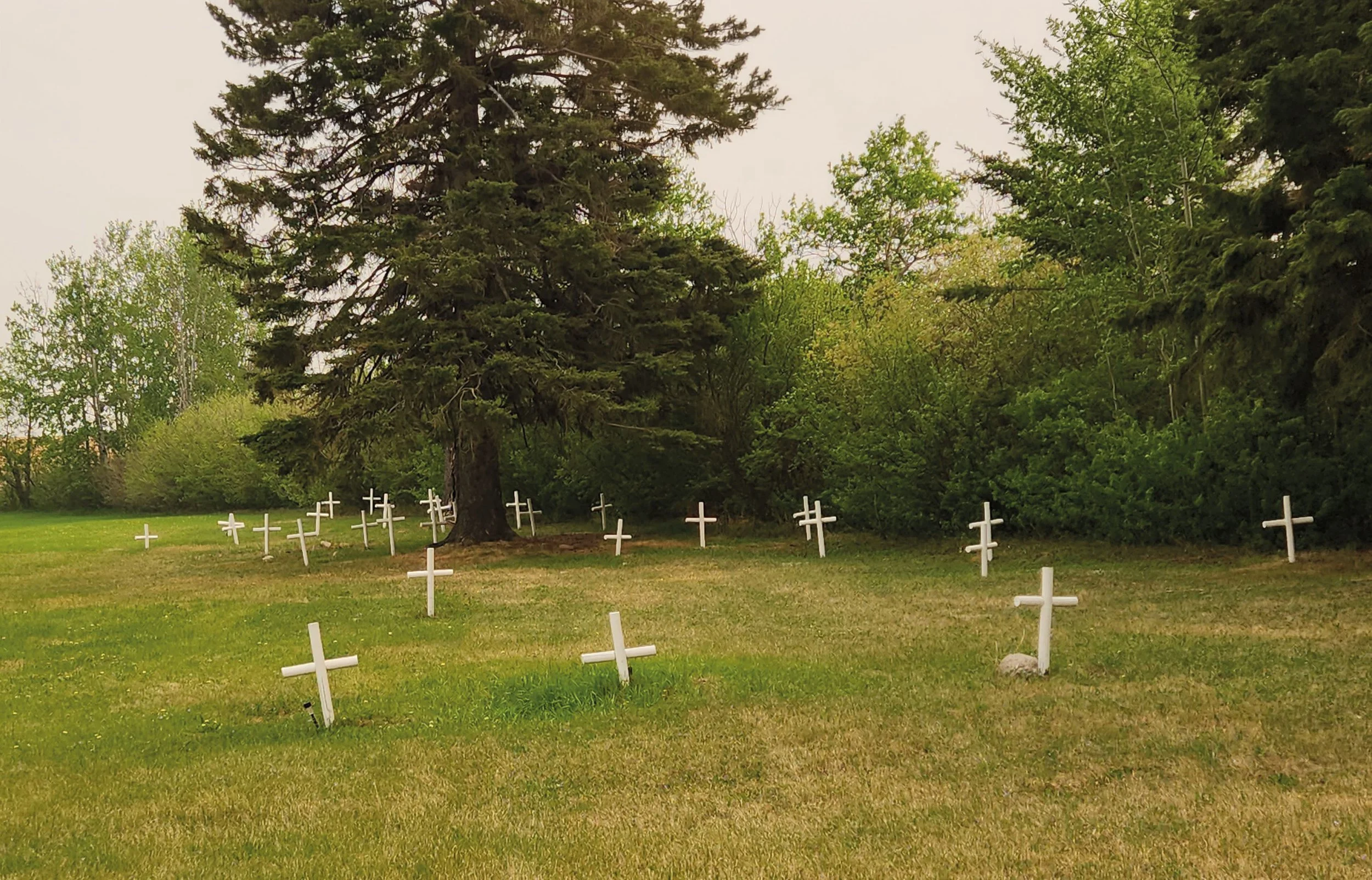
Shiloh Baptist cemetery
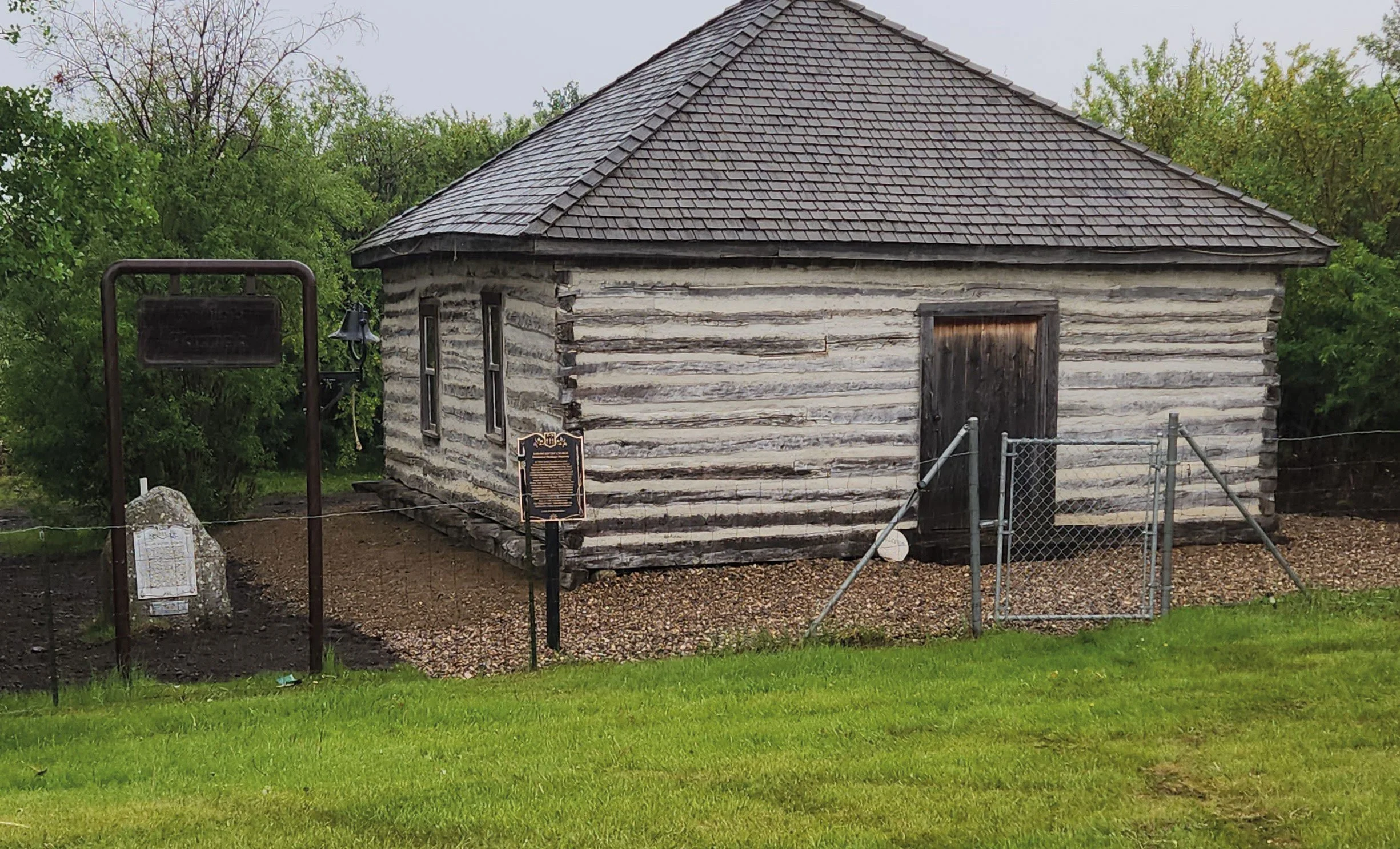
Shiloh Baptist Church NE of Maidstone, SK.
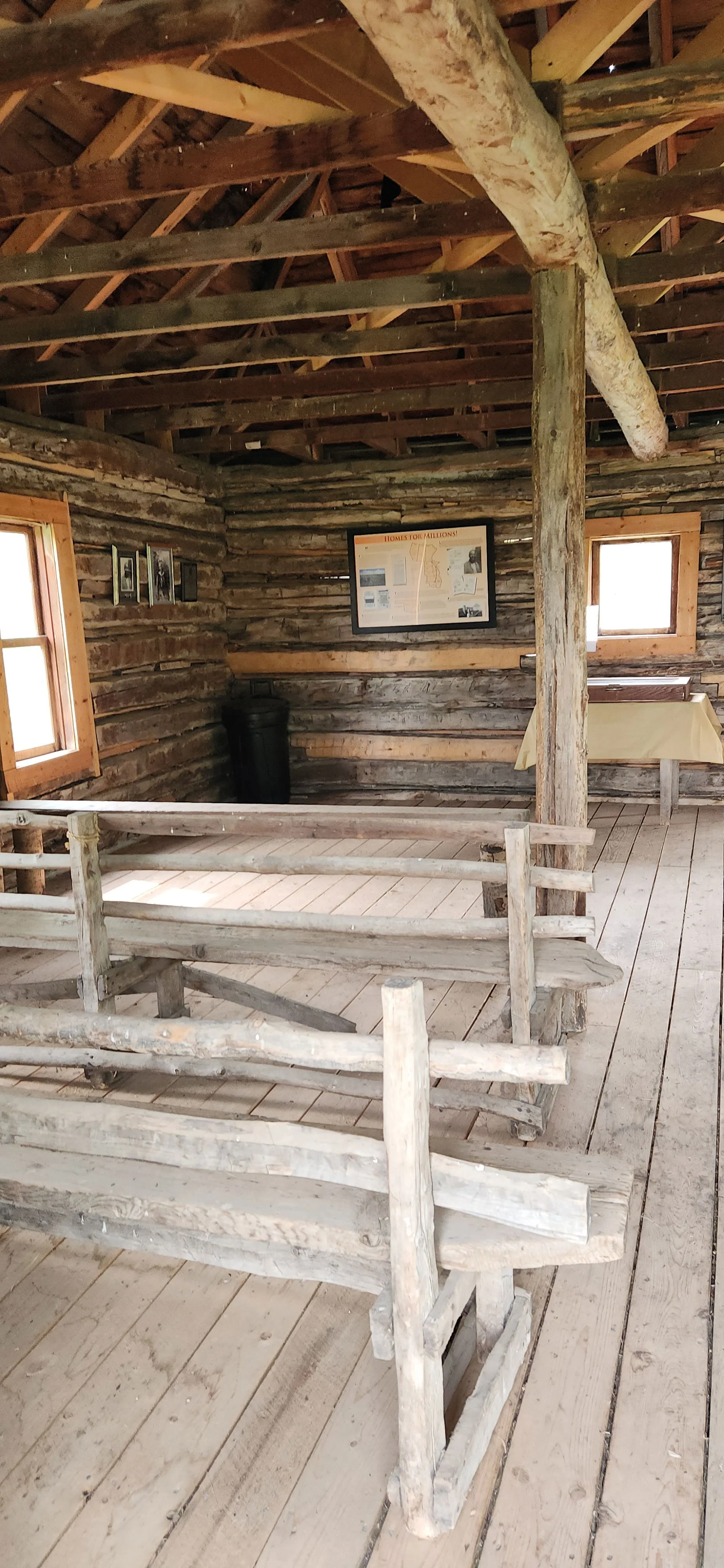
Shiloh Baptist Church interior.
Following the trail to Shiloh
The deeper Lane dug into his family’s history, the more remarkable the story became.
His great-grandfather, Julius Caesar Lane, had been born into slavery in Virginia in 1850 before eventually making his way to Oklahoma after emancipation. In 1909, seeking new opportunities and greater freedom, he travelled north to Saskatchewan and claimed a homestead northeast of Maidstone.
He didn’t come alone for long.
After securing land, Julius returned to Oklahoma and encouraged other African American families to join him. In the spring of 1910, eleven more families arrived to establish what became known as the Shiloh settlement. Many of those early settlers had themselves been born into slavery before beginning entirely new lives on the Canadian Prairies.
For Lane, these weren’t simply historical facts.
These were his ancestors.
Yet when he first began researching, very little of that history had been preserved within his own family.
That realization became the driving force behind years of painstaking investigation.
He read census records line by line. He examined land titles, birth and death registrations, marriage certificates, newspaper archives and government files. Every discovery raised new questions. Every answer led to another trail to follow.
Alongside fellow volunteers, he also worked to restore Shiloh Baptist Church and the adjoining cemetery, where Julius Caesar Lane became the first person buried in 1913. Their efforts eventually earned the church Saskatchewan Provincial Heritage designation, ensuring the site would be protected for future generations.
For Lane, preserving the physical landmarks was only part of the mission. Equally important were the stories.
“As knowledge of my research spread, people started contacting me from across Canada and the United States,” he says. “Many were descendants of the original settlers who knew almost nothing about their own family history.”
Sometimes all he could offer was a census record or an old newspaper clipping. Other times it was a marriage certificate, a homestead application or a photograph someone had never seen before.
To the families receiving them, those discoveries meant far more than pieces of paper.
“They were reconnecting with people they’d never really known.”
One young relative told him his research had helped her “find her way home.” Lane has never forgotten those words.
“They meant everything.”
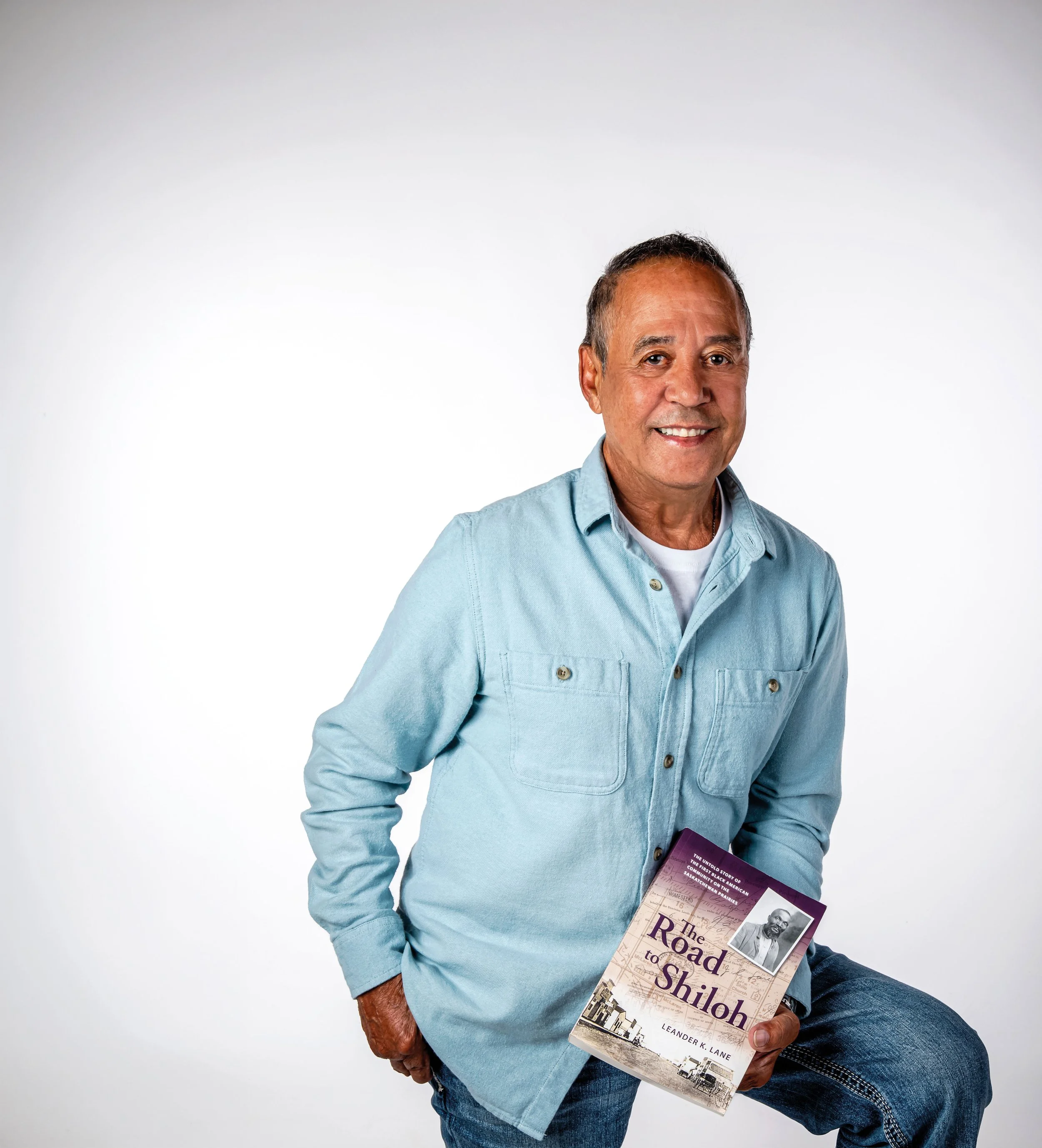
A book decades in the making
Although The Road to Shiloh was published only recently, its beginnings stretch back more than 20 years.
As he uncovered new pieces of history, Lane began writing short stories and historical reflections for newsletters produced by the restoration society. Later, he shared many of those stories on Facebook, where family and friends repeatedly encouraged him to keep writing.
Looking back now, he smiles at those early drafts.
“I cringe at the grammar and punctuation,” he admits. “But people looked past all of that because they connected with the stories.”
Without realizing it, he had been gathering the building blocks of a book.
Years later, he enrolled in writing courses through continuing education to strengthen his skills. Piece by piece, the manuscript began taking shape, drawing together years of research into a narrative that honoured both his ancestors and the wider Black pioneer community that once flourished on the Prairies.
Writing also revealed something unexpected about himself.
“I discovered I loved research,” he says. “I also discovered I had the patience and perseverance for it.”
Just as importantly, he found that he loved teaching.
Today, Lane speaks regularly about Black Canadian history, introducing audiences to stories many have never heard before. Even recent immigrants from Africa are often surprised to learn that Black families have been living in Western Canada for well over a century.
“I became a teacher,” he says simply.
It’s a role that seems to suit him.
Strength through loss
Life, however, has never followed a straight path.
In 1994, Lane’s first wife, Betty, died suddenly, leaving him a widower with six children. At the same time, he was retraining as a heavy-duty mechanic, balancing demanding coursework with shift work and the responsibilities of raising a young family.
“It was tough going,” he says.
Eventually, he met the woman who would become his wife, and together they blended their families, raising eight children.
Years later came another devastating loss when one of his sons died during Canada’s opioid crisis.
Like many parents who have experienced unimaginable grief, Lane questioned everything.
For a time, he admits, he struggled.
Eventually, though, he found himself returning to the stories of those who had come before him.
His ancestors had survived slavery, racism, poverty, harsh prairie winters and countless personal hardships. Remembering their resilience helped him rediscover his own.
Writing became more than research; it became healing.
Even rheumatoid arthritis, which has affected his hand mobility for years, couldn’t keep him from finishing the manuscript.
Writing a 300-page book as a self-described “two-finger typist” demanded extraordinary patience, but giving up was never an option.
Leaving more than memories
Ask Lane what accomplishment makes him proudest, and he mentions restoring Shiloh Baptist Church, helping secure its heritage designation and seeing descendants reconnect with their family histories.
Yet writing The Road to Shiloh remains the achievement that surprises him most.
“Not everyone gets the opportunity to preserve an important piece of Canadian history,” he reflects.
That opportunity has also shaped the advice he offers others.
He encourages seniors to embrace retirement rather than fear it, to volunteer, to stay active, to keep learning and to remain curious about the rapidly changing world around them. He still enjoys travelling with his wife, attending concerts, dancing whenever he has the chance and spending time with his growing family.
Most of all, he encourages people to preserve their own stories before they’re lost.
Old photographs deserve names. Family recipes deserve context. Conversations with parents and grandparents deserve to be recorded.
The stories tucked away in journals, filing cabinets or dusty boxes in the basement may one day become priceless family treasures.
“What seems insignificant today,” he says, “might become the beginning of a book 20 years from now.”
It is advice he has lived himself.
What began with an old photograph and a few census records grew into a decades-long mission to preserve a remarkable chapter of Canadian history. Along the way, Lane discovered that the most meaningful work of his life wasn’t completed during his career—it began after it.
Perhaps that’s the greatest lesson his story offers: Retirement doesn’t have to be about slowing down. Sometimes it gives us the time to become exactly who we were always meant to be.
And sometimes, in preserving the stories of those who came before us, we leave the most enduring story of all: our own.
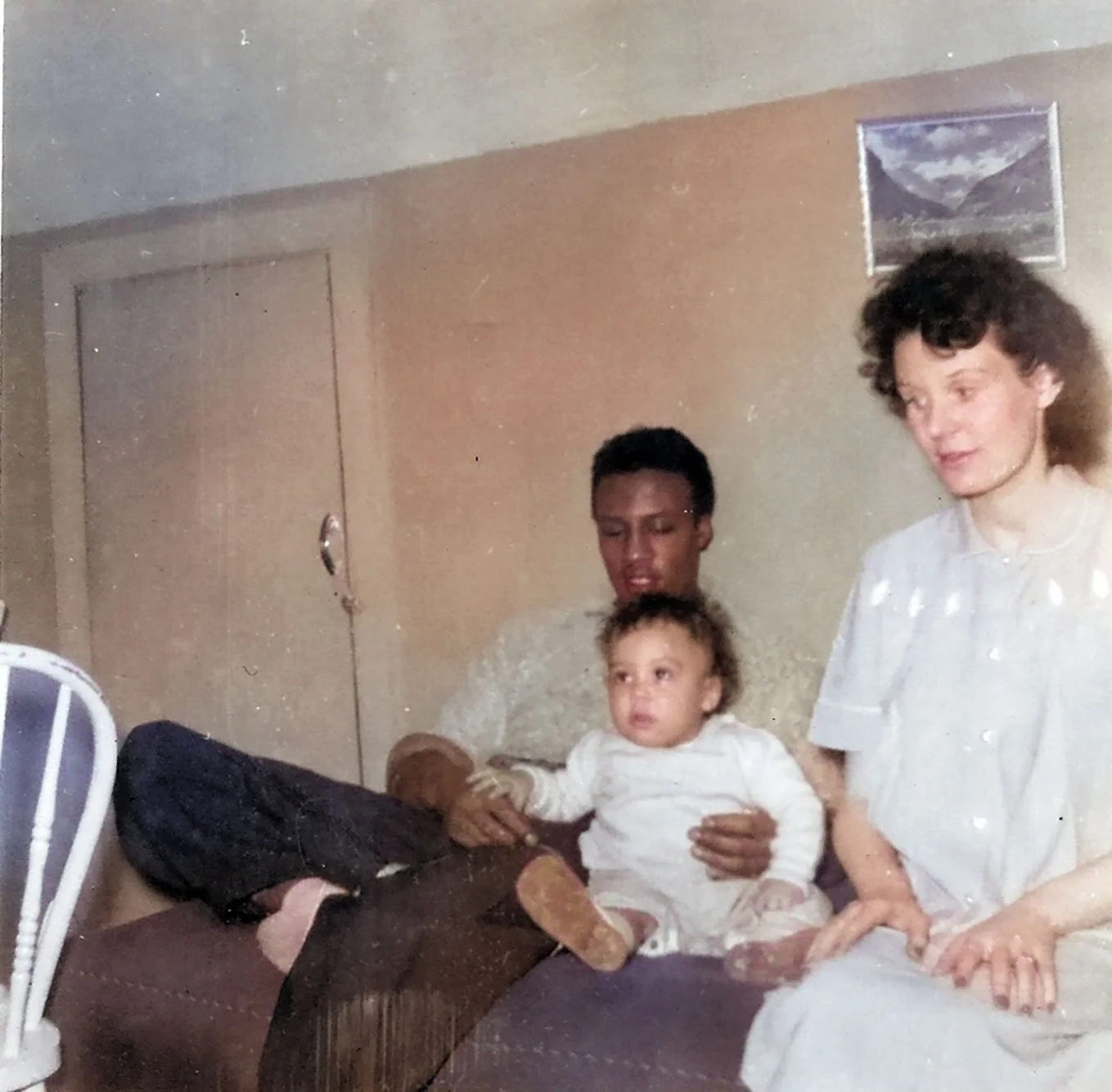
Leander K. Lane with parents, circa 1956.
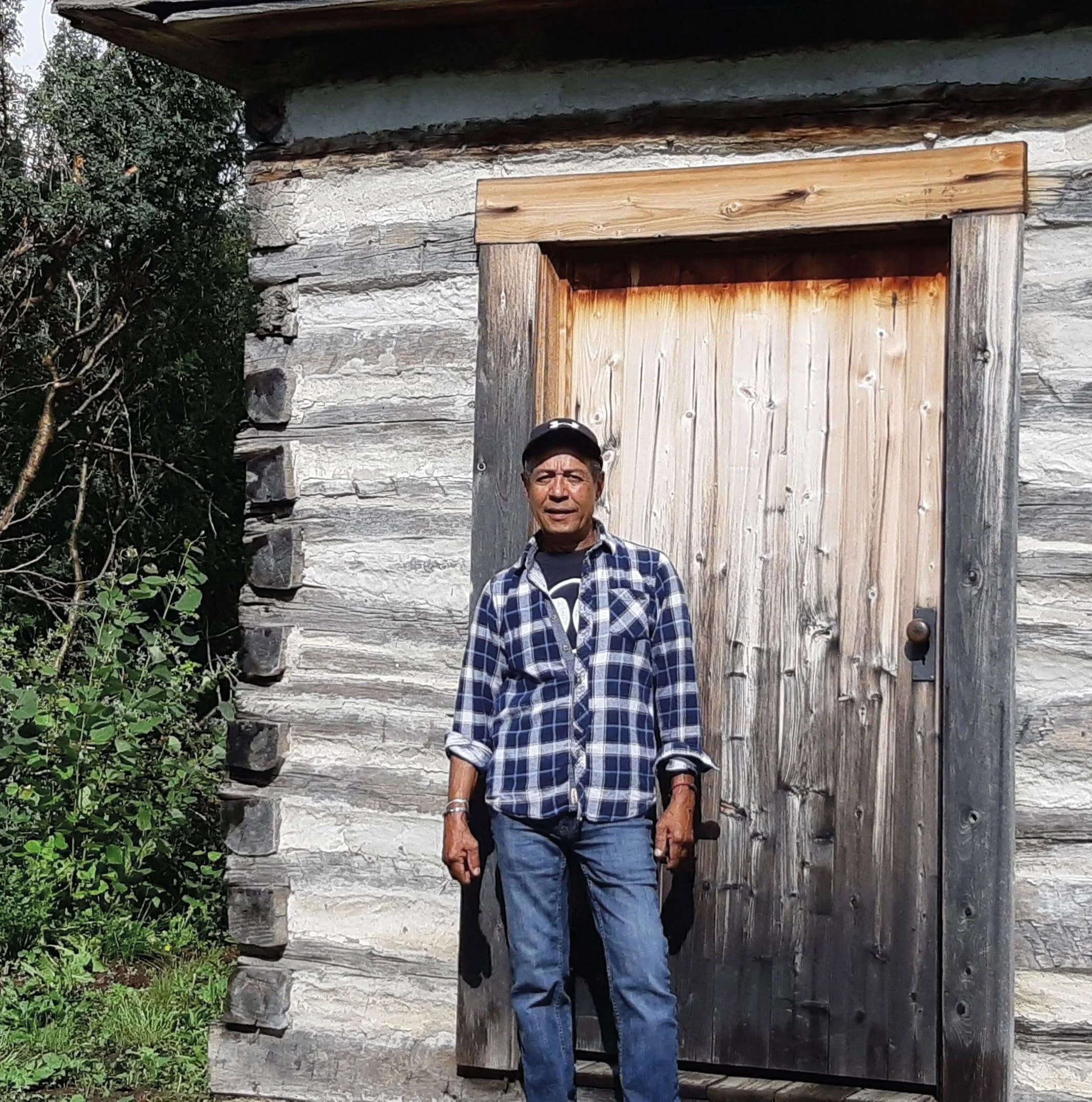
Leander K. Lane.