

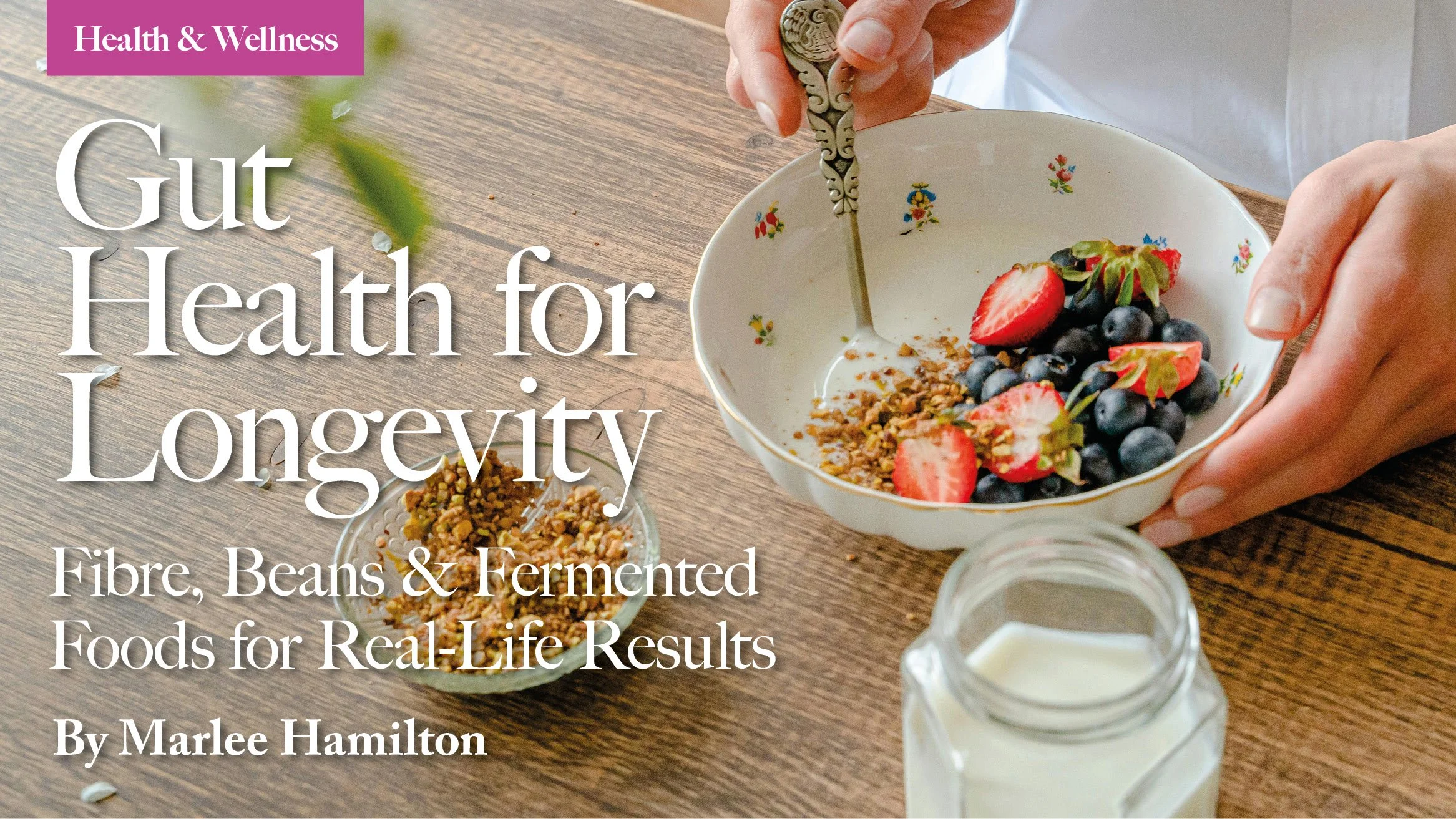
Gut Health for Longevity: Fibre, Beans & Fermented Foods for Real-Life Results
By Marlee Hamilton
When we think about gut health, we often think about how often we use the bathroom. But the gut is also closely connected to immune function, inflammation, energy levels, and overall healthy aging.
At the same time, healthy aging doesn’t come from extreme diets, superfoods, or doing everything “right.” It’s built through simple habits practiced consistently over time. When it comes to gut health and longevity, the goal isn’t to apply extreme habit changes - these almost never stick! Instead, we want to support the body in ways that are realistic, sustainable, and fit within an already busy life.
What is a Healthy Gut?
A healthy gut isn’t defined by perfect digestion or the total absence of digestive symptoms. At its core, gut health is about the balance and diversity of the bacteria, fungi, and other microbes that live in the digestive tract. Did you know there are trillions of these tiny microorganisms in the human gut? It’s quite amazing. Together, this community is known as the gut microbiome.
You can think of the gut microbiome like a garden. When a garden contains a wide variety of plants, those plants help replenish the soil, support one another, and create conditions where growth is more sustainable over time. Diversity keeps the soil rich. In the gut, microbial diversity works similarly - different microbes perform different roles, collectively supporting digestion and overall health.
How Food Supports the Gut Microbiome
Continuing with the garden metaphor, food acts as the fertilizer for our gut bacteria. The foods we choose help determine which microbes grow and thrive. The more variety, the better. Research consistently shows that the healthiest guts are made up of not just more beneficial bacteria, but a wide range of different types.
For this reason, diets associated with healthier, more resilient guts tend to include a wide variety of foods that support microbial diversity rather than focusing on a single ingredient or supplement. To support a gut that stays resilient as we age, I encourage people to regularly include three key types of foods: fibre-rich foods, beans/legumes, and fermented foods.
Fibre: The Daily Foundation
Fibre is one of the simplest, most effective ways to support gut health. It works behind the scenes to keep the digestive system and the rest of the body functioning well.
Some foods contain what are known as prebiotics, a type of fibre that our bodies can’t digest, but our gut microbes can. These fibres pass through the digestive tract and become food for beneficial bacteria. Well-fed bacteria thrive and produce substances that support smooth digestion, reduce inflammation, and strengthen the immune system. Fibre also helps regulate blood sugar, lower cholesterol, and promote a feeling of fullness - benefits that become increasingly important with age.
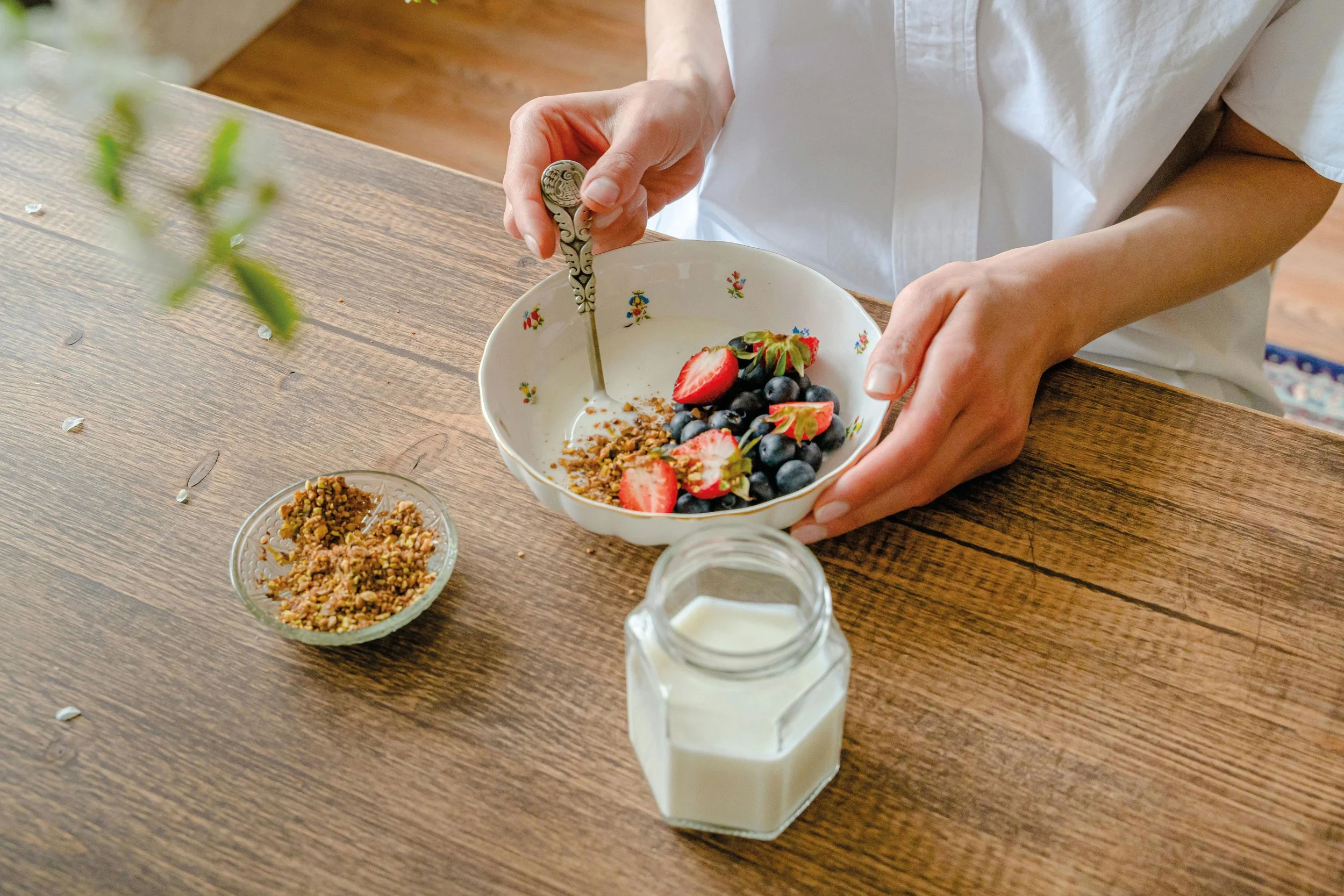
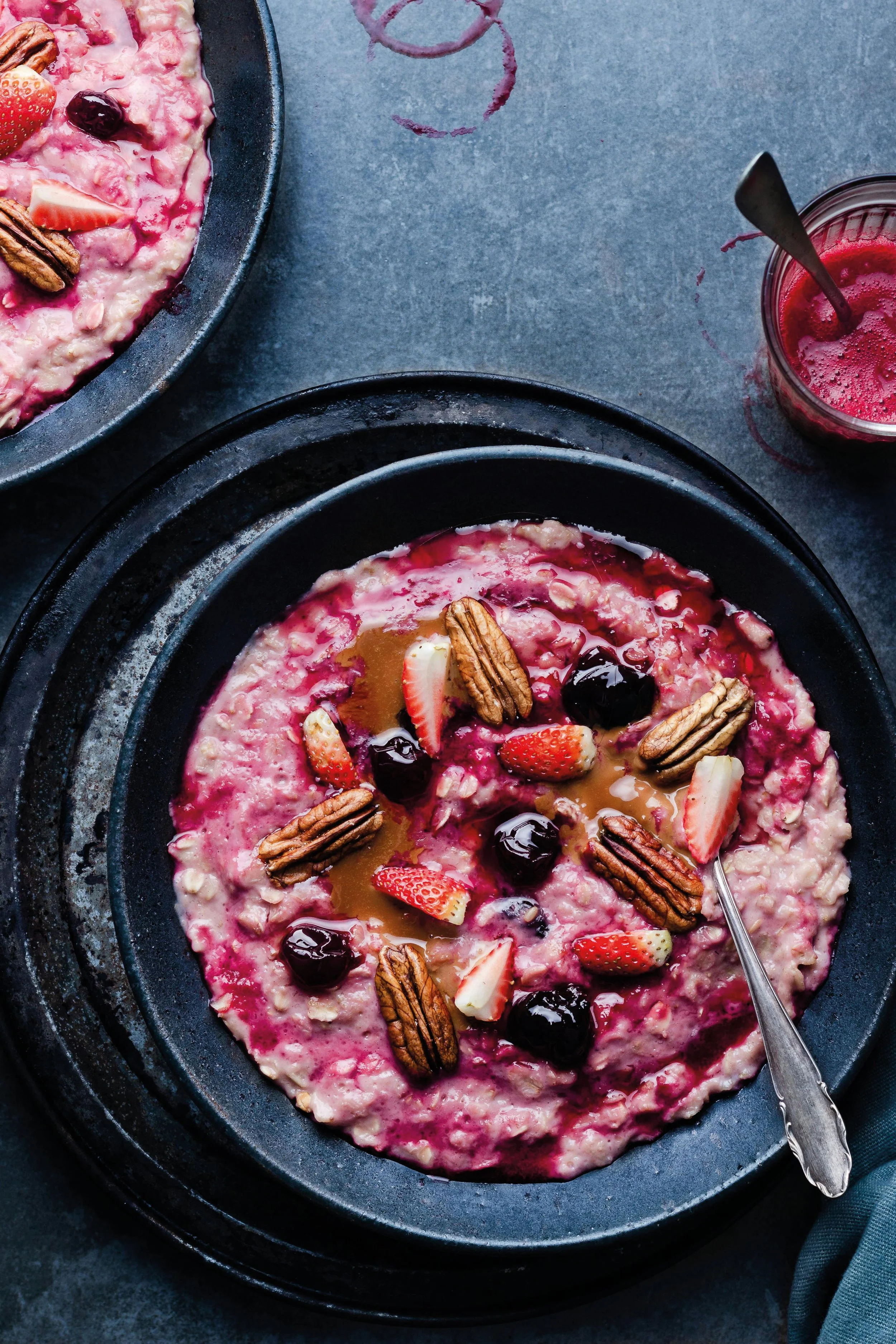
When it comes to adding fibre, small, simple changes, like adding ground flax to yogurt, enjoying oatmeal, or snacking on fruit and nuts, can make a big difference. Some of the most powerful sources aren’t powders or supplements; they’re foods people have eaten for generations. Whole grains, vegetables, nuts, seeds, and especially beans provide fibre along with other important nutrients.
Beans/Legumes
OK, so technically beans are also a source of fibre. But I’m giving these nutrient powerhouses their own call-out, as they can do so much for our health.
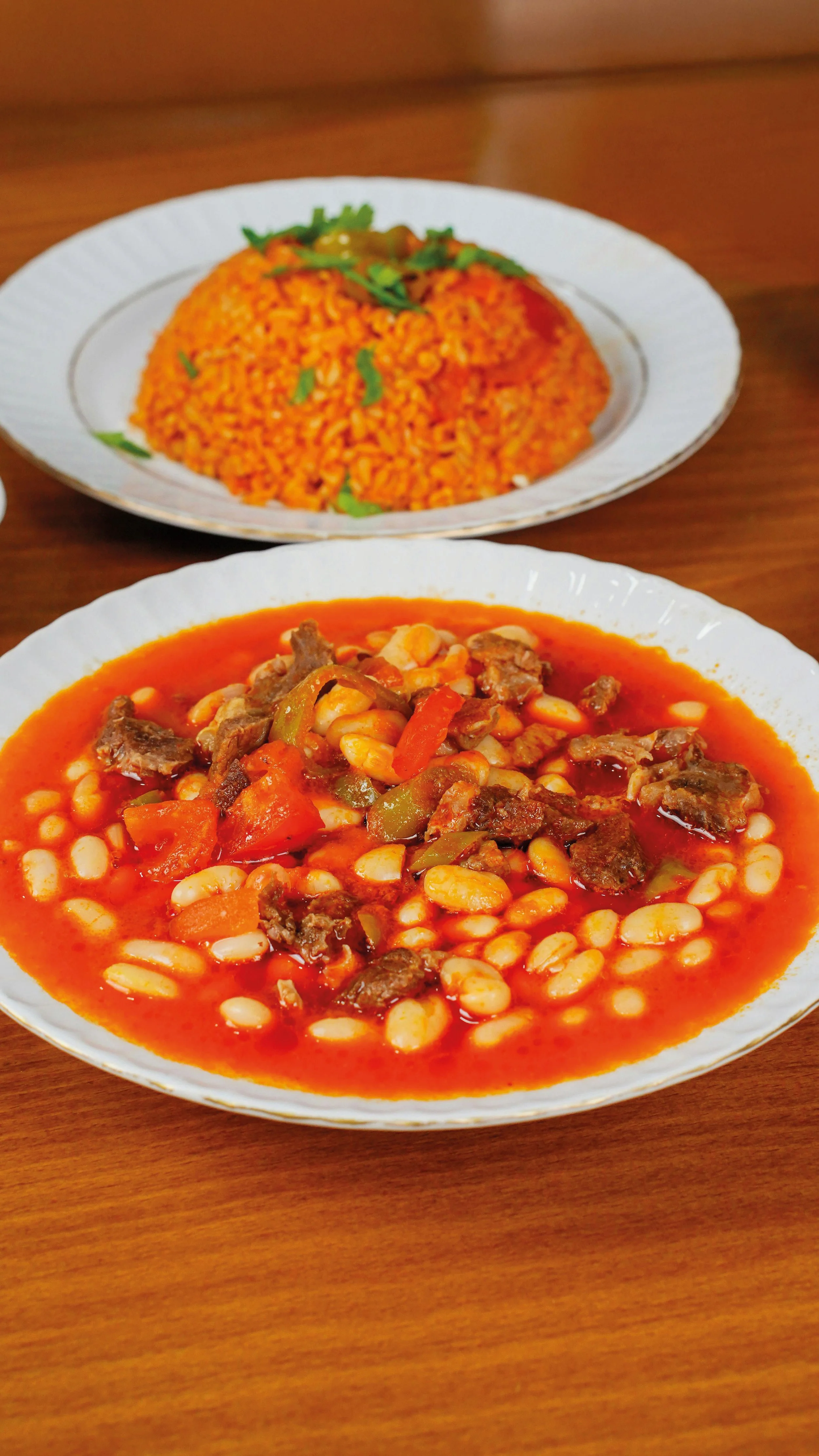
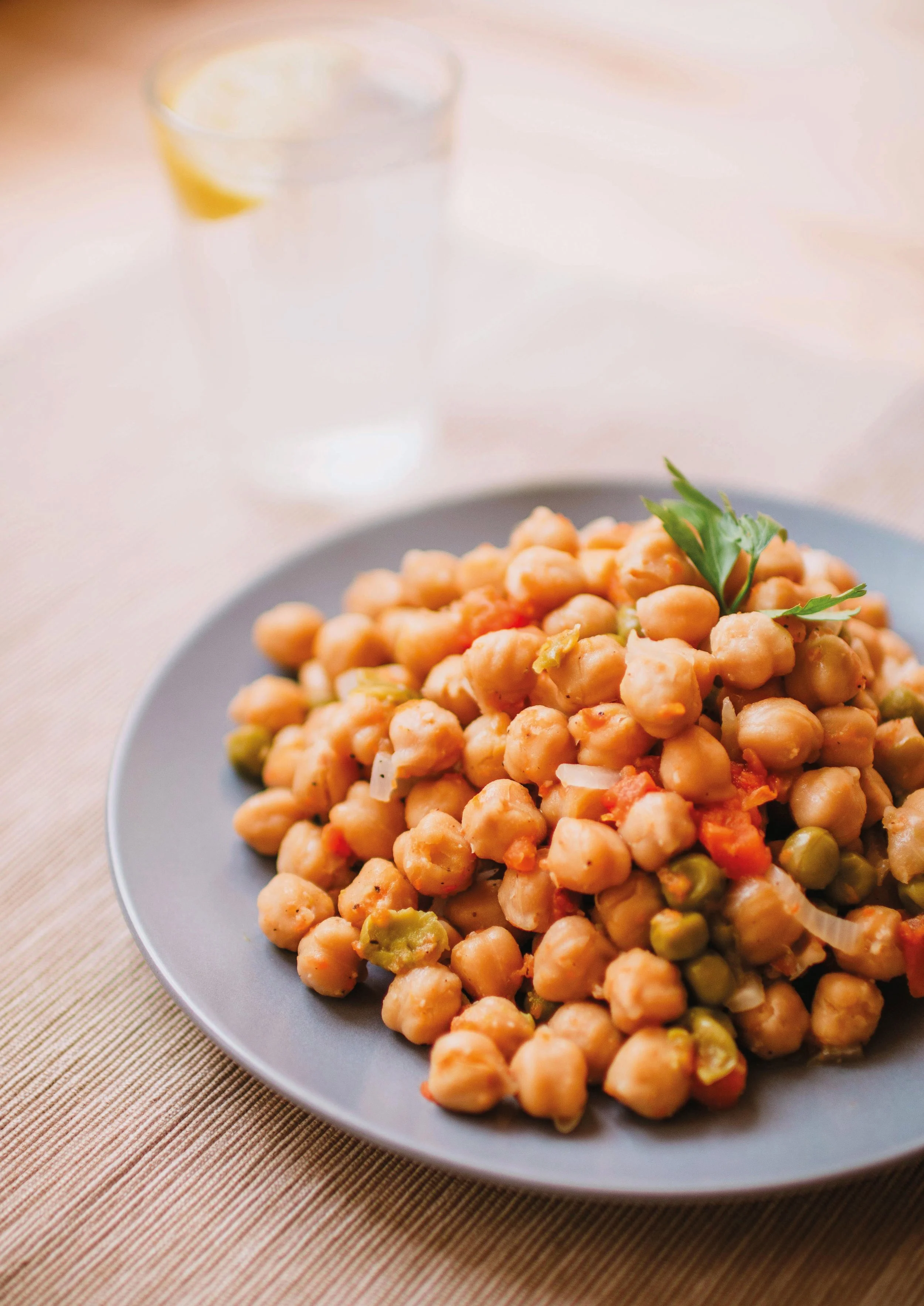
Beans are both a fibre-rich and plant-based protein food, making them a double win for digestion and muscle maintenance. Both are especially important as we age.
For the gut, beans feed beneficial bacteria just like other fibre-rich foods, helping maintain microbial diversity. For muscles, the protein in beans helps counter age-related muscle loss, supporting strength and balance.
Many people shy away from beans because of gas concerns, but this is generally manageable. Start with small servings, rinse canned beans well, and spread intake throughout the week rather than eating a large portion all at once. Over time, the gut can adapt!
Ultimately, including beans regularly is an easy, affordable way to nourish both your gut and your body, supporting digestion, muscle health, and long-term wellness.
Fermented Foods
While high fibre foods form the foundation of gut health, fermented foods play a supporting role. Because many fermented foods contain live microbes, eating these will introduce additional helpful bacteria into the digestive system.
It’s important to remember that adding more bacteria alone isn’t enough. New microbes need nourishment to survive and thrive (ie, fibre!). Without this “food,” the bacteria from fermented foods won’t stick around or make a long-term, meaningful impact.
Fermented foods are also optional and individualized - not everyone needs kombucha or kefir to support their gut. What matters most is consistency, not huge portions. I like to suggest trying to ‘eat something living every day’ – referring to foods with active living microbes like yogurt, kefir, sauerkraut, or kimchi. Even a spoonful of sauerkraut with a meal or a small glass of kefir a few times a week contributes to a healthy gut!

Bringing It All Together
Gut health for longevity isn’t about chasing the latest trend or adding more and more “superfoods” to your plate. It’s about building simple, sustainable habits that nourish your microbiome every day.
Fibre provides the foundation, legumes add both fibre and protein, and fermented foods offer a gentle boost of helpful microbes, especially when paired with a fibre-rich diet.
By focusing on variety and consistency, you can create a gut-friendly routine that fits your life.
About the Author

Marlee Hamilton
Marlee Hamilton is a registered dietitian who has spent the past 8 years working with patients who have complex digestive health concerns and food intolerances. She specializes in complex digestive health conditions such as irritable bowel syndrome, Crohn’s and colitis, SIBO, and food intolerances, providing individualized nutritional support for a wide range of gastrointestinal disorders.
Marlee completed her Bachelor of Science in Human Nutrition and dietetic internship at St. Francis Xavier University. She is the team lead dietitian at Ignite Nutrition, one of Canada’s top digestive health nutrition practices, where she also trains and supports other dietitians in working with clients who have unique and complex GI needs.