

Summer Mental Health: Connection as Preventive Care
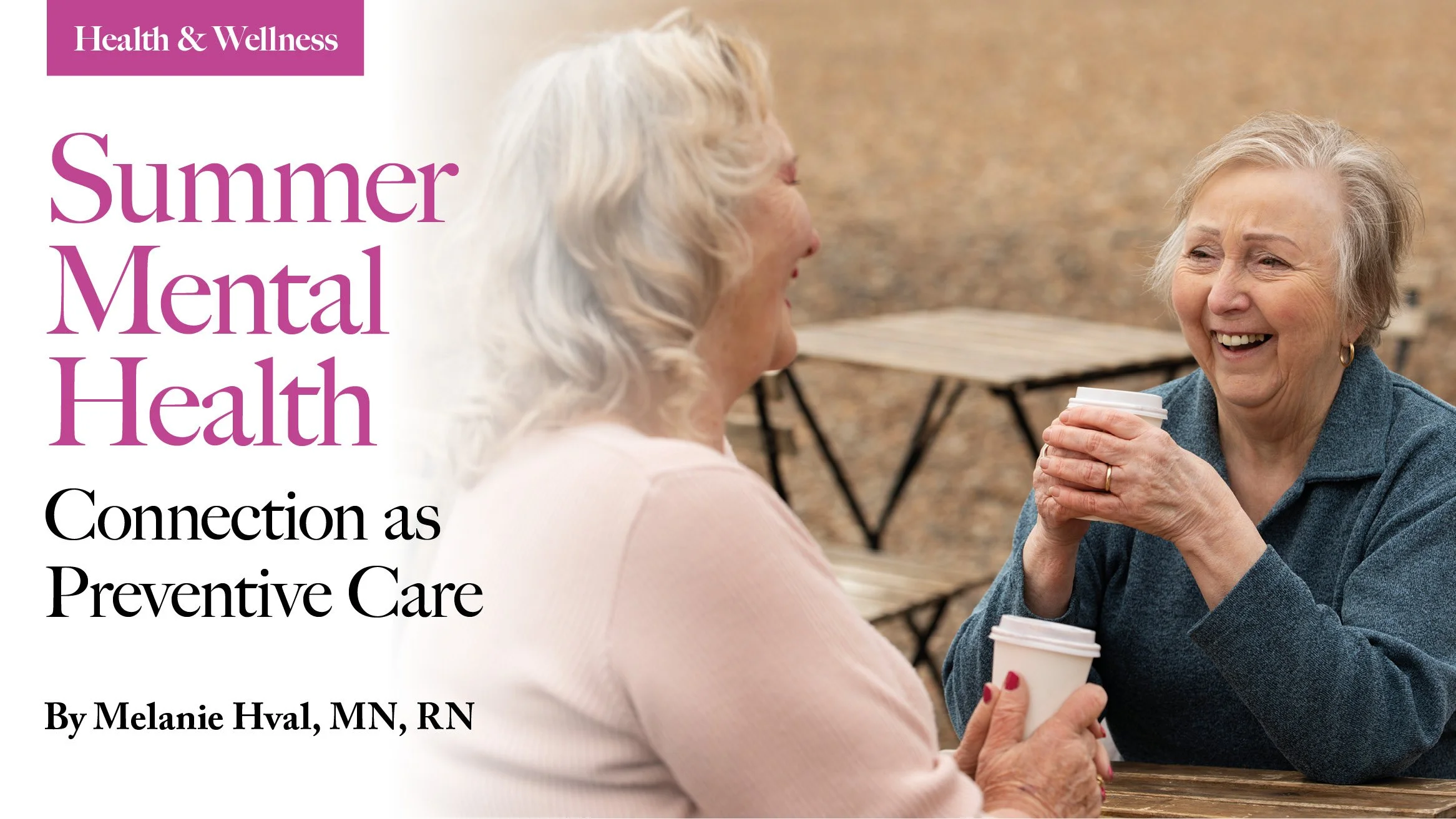
By Melanie Hval, MN, RN
Summer in Alberta has a particular quality to it. After months of cold and shortened days, the light returns. People get outside. There is movement and noise in the neighbourhood again.
For many older adults, though, summer does not automatically bring connection. It can quietly deepen isolation instead. A neighbour who checked in during the winter disappears into family vacations. Grandchildren are busy. The community programs that ran through the school year wind down. Weeks can pass without a meaningful conversation.
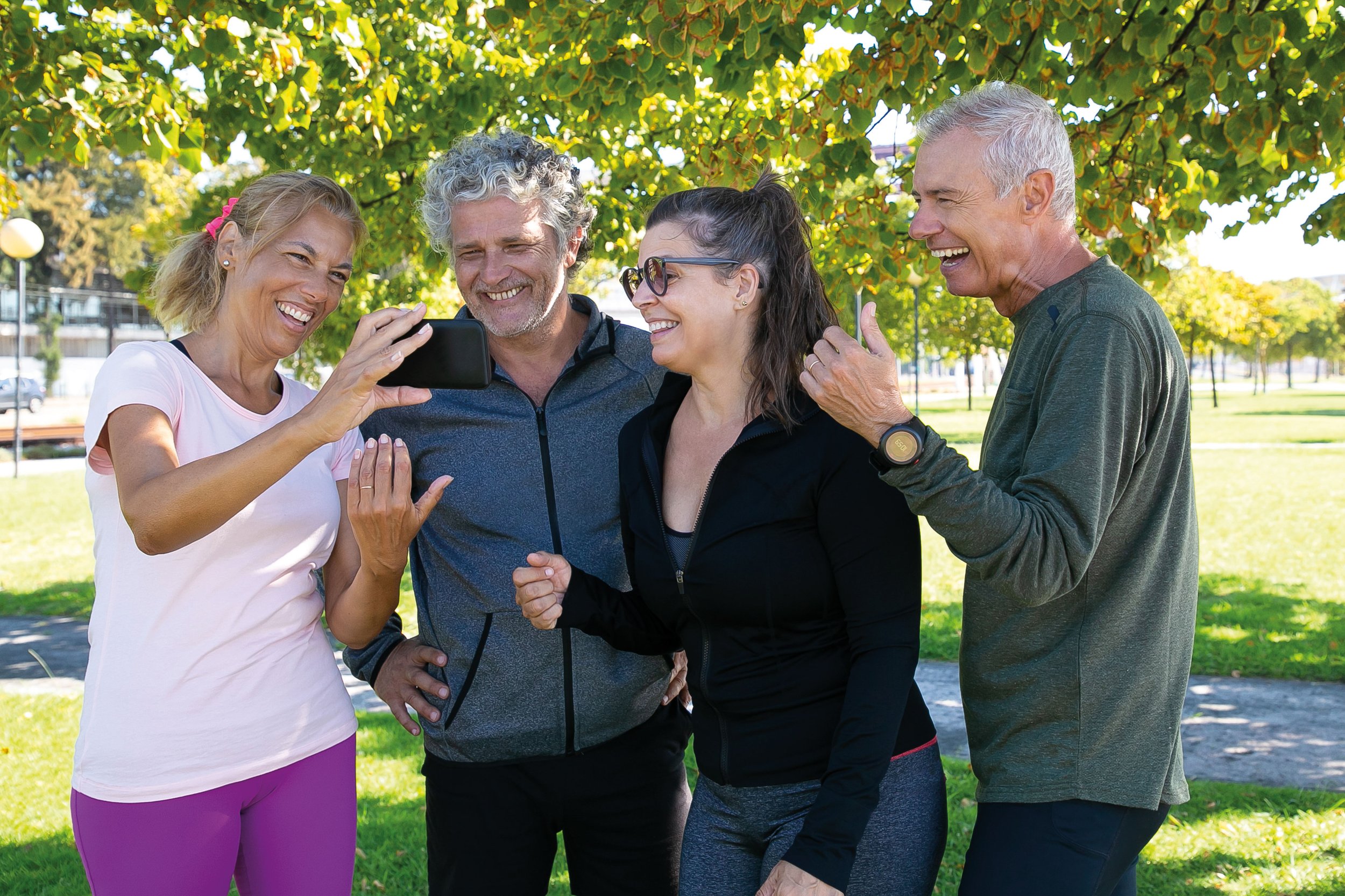
As a nurse, I want to be direct about what that means clinically. Social isolation is not just uncomfortable. Research consistently links it to increased risk of depression, cognitive decline, and earlier mortality in older adults. The evidence on this is strong and has been building for years. Connection is not a nice-to-have. It is part of what keeps people well.
“Connection is not a nice-to-have. It is part of what keeps people well.”
The good news is that the interventions do not need to be complicated. What follows are practical suggestions, most of them low-cost or free, with options for those living in cities and those in smaller or rural communities.
Start with a regular anchor
Routine matters more than most people realize. A standing weekly commitment, even a small one, creates a predictable reason to be somewhere and to see the same people. This could be a Saturday morning coffee with a friend, a weekly walk with a neighbour, or a consistent chair at a community centre program.
For urban residents, options are plentiful. Calgary and Edmonton both operate extensive seniors programming through parks, recreation, and libraries. Many of these programs are low-cost and specifically designed for older adults. The barrier is often not availability but knowing where to look. A call to your local library branch or a search on your city’s recreation website is a reasonable starting point.
For those in rural or smaller communities, formal programming is thinner. Here, the anchor often needs to be informal. A standing weekly phone call with a sibling or friend. A regular coffee at the same diner. A commitment to attend a local faith community or service club. These informal structures carry the same benefit when held consistently.
Get outside, with purpose
Summer daylight and warmer temperatures lower the barrier to outdoor activity. Research supports the benefit of outdoor time on mood, and even a short daily walk in natural light supports better sleep and reduced anxiety. The key word here is purpose: a walk to a destination, however modest, is more sustainable than a walk for its own sake.
A walk to pick up a few groceries, to sit in a park with a coffee, or to check on a neighbour creates structure and often produces an incidental conversation. Incidental conversations add up. They are not a replacement for close relationships, but they maintain a sense of being part of a community.
A note on safety: if balance, joint pain, or vision concerns make outdoor mobility more challenging, please speak with your physician or nurse practitioner before starting a new walking routine. Mobility should be supported, not pushed through.

Stay useful to someone
A sense of purpose is one of the most consistently protective factors for mental health in older adults. Volunteering, mentoring, or simply being someone a neighbour can count on all contribute to this. Summer often creates natural openings: community gardens need hands, local festivals need volunteers, and families with young children need grandparent energy.
In rural communities where formal volunteer organizations may be limited, the same principle applies informally. Offering to drive someone to an appointment, helping a neighbour with yard work, or being available to a family that is managing a difficult season all create a reciprocal relationship. That reciprocity is part of what makes the connection meaningful.

Know the signs that something more is needed
Community connection supports mental health, but it does not replace clinical care when clinical care is what someone needs. If you or someone you love is experiencing persistent low mood, loss of interest in things that used to matter, significant changes in sleep or appetite, or withdrawal that is deepening over time, that warrants a conversation with a healthcare provider.
In Alberta, your family physician, nurse practitioner, or Health Link (811) are all reasonable starting points. Rural residents can also access virtual mental health supports through the province, which has expanded considerably in recent years.
The suggestions above are practical and backed by solid evidence. But they work best as prevention. When someone has already moved into a significant depressive episode or is experiencing anxiety that limits their daily functioning, connection alone is rarely sufficient.
A final thought
The older adults I work with are not waiting for someone to organize their social lives. What they often need is a prompt to take one step, and a reminder that the research supports it. Connection is not soft medicine. It is legitimate preventative care, and summer is a reasonable time to be intentional about it.
One standing commitment. One reason to be somewhere on a regular basis. That is a meaningful place to start.

Melanie Hval
Melanie Hval is a Master’s-prepared Registered Nurse and Founder of Compass Rose Care, a nurse-led private home care company based in Calgary. For more information, visit compassrosecare.com.