
Overdose Awareness Month: Opioid Use Among Older Adults
In partnership with Canadian Coalition for Seniors’ Mental Health
When many people think about the opioid crisis, they picture younger adults or illicit drug use. Yet opioid-related harms also affect older Canadians, often in ways that go unnoticed. Prescription opioids are commonly used to manage moderate to severe pain, particularly among adults aged 55 and older. While these medications can provide important relief, age-related changes in the body can increase the risk of side effects, dependence, falls, hospitalization, and overdose. As Overdose Awareness Month shines a light on this growing public health concern, it’s important for older adults and their loved ones to understand both the benefits and risks of opioid use, recognize warning signs, and learn about safer approaches to managing pain and protecting wellbeing.
What are opioids?
Opioids are a class of drugs that are derived from (or are chemically designed to act like) opium from the poppy plant. They work in the nervous system to produce feelings of pain relief and pleasure, among other things. Opioids include both legally prescribed drugs and illegal street drugs. Sometimes, legal prescription opioid drugs are illegally sold on the street as well.
Examples of opioids include:
Buprenorphine
Codeine
Fentanyl
Heroin
Hydrocodone
Methadone
Morphine
Oxycodone/Oxycontin
Tramadol
Why do older adults take opioids?
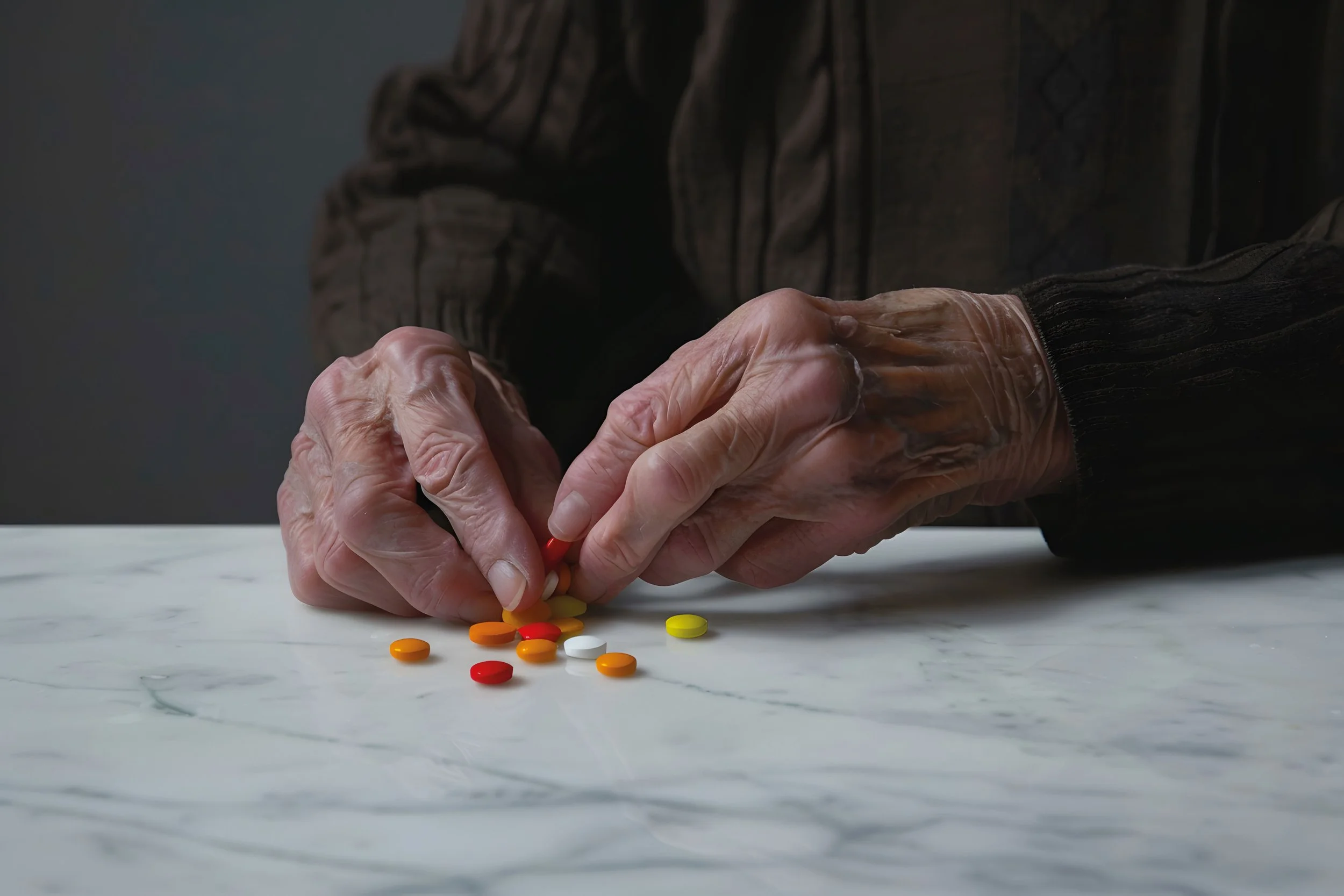
Prescription opioids are usually used to treat moderate to severe pain. Some people take non-prescribed opioids because they can also make you feel very relaxed and “high”.
Our Bodies as We Age
Our bodies change as we age. We break down substances more slowly, and we have less water and muscle than when we were younger. These changes can affect how medication works.
What are the health risks of taking opioids?
If we take opioid drugs for long periods of time, our bodies get used to them. Because of this, they can stop helping with pain the way that they used to. Sometimes people start taking too much of their opioid medicine to try to get pain relief. This can be very harmful. People taking opioids need to be carefully monitored by their healthcare providers in order to minimize risk.
Side Effects of Opioids
Potential side effects of taking opioids include:
Nausea and vomiting
Itching
Constipation
Trouble urinating (peeing)
Confusion and changes in mood
Drowsiness
Falls
Slowed breathing
Sleep apnea (pauses in breathing or periods of shallow breathing during sleep)
Heart attack
Overdose, including death
Addiction (also called opioid use disorder)
Withdrawal: pain, anxiety, insomnia, sweating, diarrhea
DID YOU KNOW?
Healthcare providers are advised to avoid prescribing opioids to older adults whenever possible because of the risks of side effects. If an opioid is prescribed to treat short-term pain (for example after an injury or surgery), the lowest possible dose should be prescribed, for no more than 3 to 7 days in most circumstances.
Possible Signs of Addiction
Talk with a healthcare provider if you have experienced two or more of these symptoms in the last year:
Taking a larger amount of the opioid than what was prescribed
Taking the opioid for a longer period of time than what was prescribed
Wanting to cut down and control intake of the opioid but finding it difficult
Spending a lot of time taking and thinking about taking the opioid
Feeling like you must always take the opioid
Having difficulty maintaining responsibilities at home or at work because of opioid use
Using the opioid even though it has negative effects on personal life and/or on mental and physical health
Using the opioid even when it is not always safe to do so
Feeling the need to take more of the opioid to feel it working
Feeling like the opioid does not work as well as it used to
Taking the opioid because you feel a lot of physical pain if you do not take it
DID YOU KNOW?
Older adults (55+ years old) have a good success rate in recovering from opioid addiction. Speak with your healthcare provider about options if you think you may have an addiction to opioids.
Can opioids be taken at the same time as other medications or substances?
The risks of harmful effects, drug interactions, and hospitalizations increase when you use several medications, drugs, or supplements at the same time. If you are taking an opioid, you should not take any of the following substances at the same time or on the same day:
Alcohol
Cannabis (e.g., marijuana)
Sedatives/sleeping pills (e.g., benzodiazepines)*
*It can be dangerous to stop using benzodiazepines too abruptly. If you use benzodiazepine sedatives, talk with your healthcare provider before stopping their use.
Are there other ways that I can manage my pain without using an opioid?
Yes. Talk with your healthcare provider about non-medicine-based therapies and non-opioid medications to manage pain before considering the use of an opioid.
Non-medicine-based Therapies
Here is a list of things that can help you manage your physical and emotional pain. Check off the ones that are of interest to you and ask your healthcare provider for more information.
Physical Therapy
Chiropractor Care
Massage Therapy
Acupuncture
Counselling
Exercise
Mindfulness and Meditation
Yoga
Non-opioid Medications
Non-opioid medications that can help relieve pain include:
Acetaminophen
Non- steroidal anti-inflammatory drugs (NSAIDs) such as ibuprofen and naproxen
Topical NSAIDs, such as creams and gels that you rub into the affected area
Note: Non-opioid medications can also cause side effects, so speak with your healthcare provider to find out what medications are safe for you to try.

What should I do if I am already taking an opioid?
If the dose that you are taking is helping to relieve pain, is helping you be active and is not causing side effects or other problems, it might not be necessary to stop using it. If you continue to use a prescription opioid, your healthcare provider will want to see you for regular follow-up visits to monitor your pain relief and any negative effects.
If there are concerns about the opioid(s) that you are taking, your healthcare provider can work with you to develop a plan to slowly reduce the amount that you are using or even to eventually stop using it altogether (if that is right for you).
How will my healthcare provider change my opioid dose if we are trying to reduce (or stop using) opioids?
We are all different. Your healthcare provider will help you develop an opioid-reduction plan that works for you, and that helps make a reduction in opioid use as easy as possible.
Your plan will probably involve reducing your dose of opioids very slowly (by 10%-20% every 1-4 weeks, with the last third of the program taking the longest). This slow, gradual reduction helps to prevent withdrawal symptoms and will help you continue to feel well.
DID YOU KNOW?
Do not change your dose of opioids without talking with your healthcare provider first.
If I gradually decrease the dose of my opioid, will my pain get worse?
Gradually reducing your dose of an opioid will usually not worsen your pain. In fact, pain, function, and quality of life often improve when opioids are lowered, then stopped. This happens because over time, opioids can become less effective, and increasing doses only increases side effects.
How can I ensure safety for myself and others while taking opioids?
Always store opioids in a locked-away cabinet
Never share opioids with family members, friends, or others
Consider asking a pharmacist to help supervise your medication. Pharmacists offer many strategies for helping you monitor your medications. For example, they can give you small amounts of your prescription at a time, so that you don’t have too much at home with you; they can package your medicines in ways that can help you keep track (e.g., blister packing, labelled pill organizers); and they can help you dispose of any unused opioids that you may have in your home.
Have a naloxone* kit in your home and make sure that someone who lives with you or who visits you often is trained in how to use it.
* Naloxone is a drug that is used to help reverse an opioid overdose. It is given to a person through their nose or is injected into a muscle.
Questions to Ask Your Healthcare Provider When Being Prescribed an Opioid
To start a conversation, here are some questions you can ask your healthcare provider about opioid medicines before taking them (or if you are already taking them):
What is the goal of being on this medication?
What are the possible benefits and harms of this medication?
Can it affect my memory or cause me to fall?
How long will I have to take this medication for?
Can I stop or reduce the dose of this medication when I want to?
Who do I follow up with about this medication and when do I follow up?
This information is adapted from the Canadian Coalition for Seniors’ Mental Health (CCSMH) Canadian Guidelines on Opioid Use Disorder Among Older Adults.
Disclaimer: This article is intended for information purposes only. It is not intended to offer medical advice or be interpreted or used as a standard of medical practice.