

Active But Not Extreme: Gentle Adventure Ideas for Every Fitness Level
By Tricia Ham
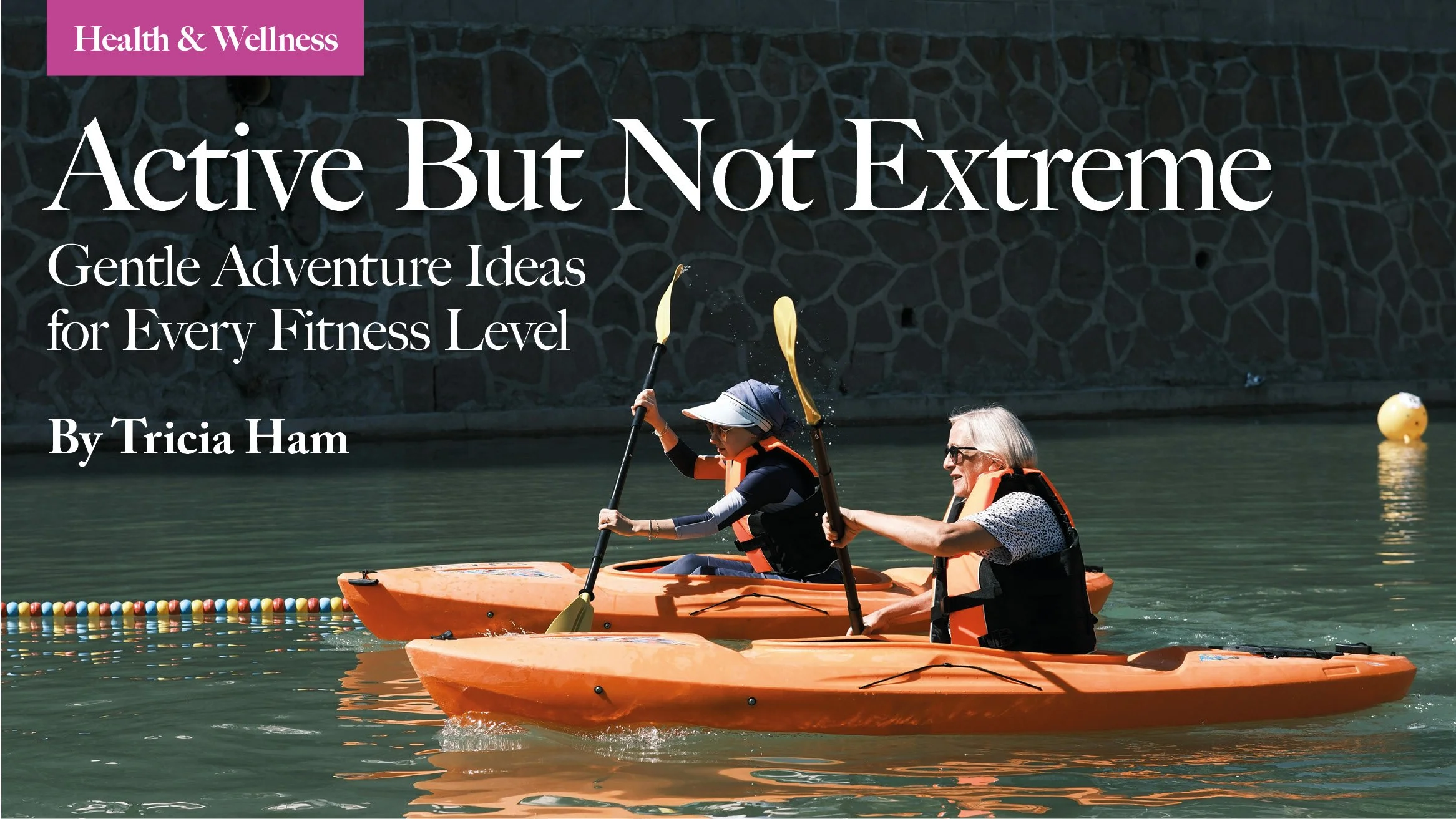
For many of us, the word adventure conjures up visions of something extreme. Scaling mountains, skydiving, or pushing physical limits often come to mind. But adventure does not have to mean adrenaline. In fact, meaningful adventures later in life can be surprisingly simple. Exploring a new cycling path on your e-bike, trying a gentle yoga class, paddling across a calm lake, or joining a local walking group to discover new places can all offer a sense of discovery. Adventure after 55 does not have to be about proving something. It can be about staying curious and capable as you continue to discover what your body can do.
There is more to an adventure than the activity itself. Getting your body moving supports strength, balance, and mobility. It can lead to social connections, keep your brain engaged, and remind you of what your body is capable of. Trying something new can also boost mental well-being, especially when it gets you outdoors and into nature. Exploring new activities helps maintain independence, and the challenge of learning something unfamiliar gives your brain a workout, too. This creates a simple, positive cycle. The more we move, the easier it is to keep moving.
Exploring new things, or even modified versions of activities you already enjoy, can create opportunities for adventure. A familiar activity done in a new way can feel surprisingly refreshing. A regular walk might become an exploration of a new neighbourhood or scenic pathway. A love of canoeing might inspire you to try paddleboarding or kayaking. Even small changes can bring a sense of discovery while keeping you active. Often, the fundamentals of good movement do not change with age. They are simply adapted so we can continue doing the things we enjoy.
So what kind of adventures are calling to you? Are you interested in the road less travelled by you? That might mean finding new locations for your daily or weekly walks. Explore different neighbourhoods or discover where your community’s most picturesque pathways are. You may even uncover a new favourite spot for a post activity coffee simply by venturing outside your usual routine.
Have you ever wanted to try a new activity or sport? Enrolling in a beginner or “learn-to-play” program can be an adventure in itself. Whether it’s pickleball, golf, kayaking, or a dance class, learning something new keeps both body and mind engaged. Just as rewarding is the opportunity to meet others who share your curiosity. Often, the activity is only the beginning. The connections you make can lead to new friendships, regular outings, and many more adventures.
Ask your friends, neighbours, and family what they enjoy doing to stay active. Their ideas might inspire something you had not considered. Often, it is simply a matter of finding a version that suits you. If your grandson loves video games, you might even try a virtual reality arcade, where immersive games can have you moving, reaching, and balancing while you play. Or consider something like geocaching. This modern-day treasure hunt gets you walking, exploring parks and pathways, and discovering places you may have never noticed before. It engages both your feet and your brain as you search for hidden caches using clues and GPS. Adventures like these are a reminder that staying active after 55 can be as much about curiosity and exploration as it is about exercise.
Do not overcomplicate things. At the same time, do not shy away from a little challenge. You know how capable your body is. Start with activities that feel fun, spark curiosity, and allow you to see what you can do. If you are a casual walker, set small goals as you explore new territory. Maybe you love canoeing, so transitioning to paddleboarding does not seem so intimidating. Start by sitting or kneeling until you feel ready to stand. If you never feel ready to stand, that is perfectly fine, too. Paddleboarding on your knees still counts.
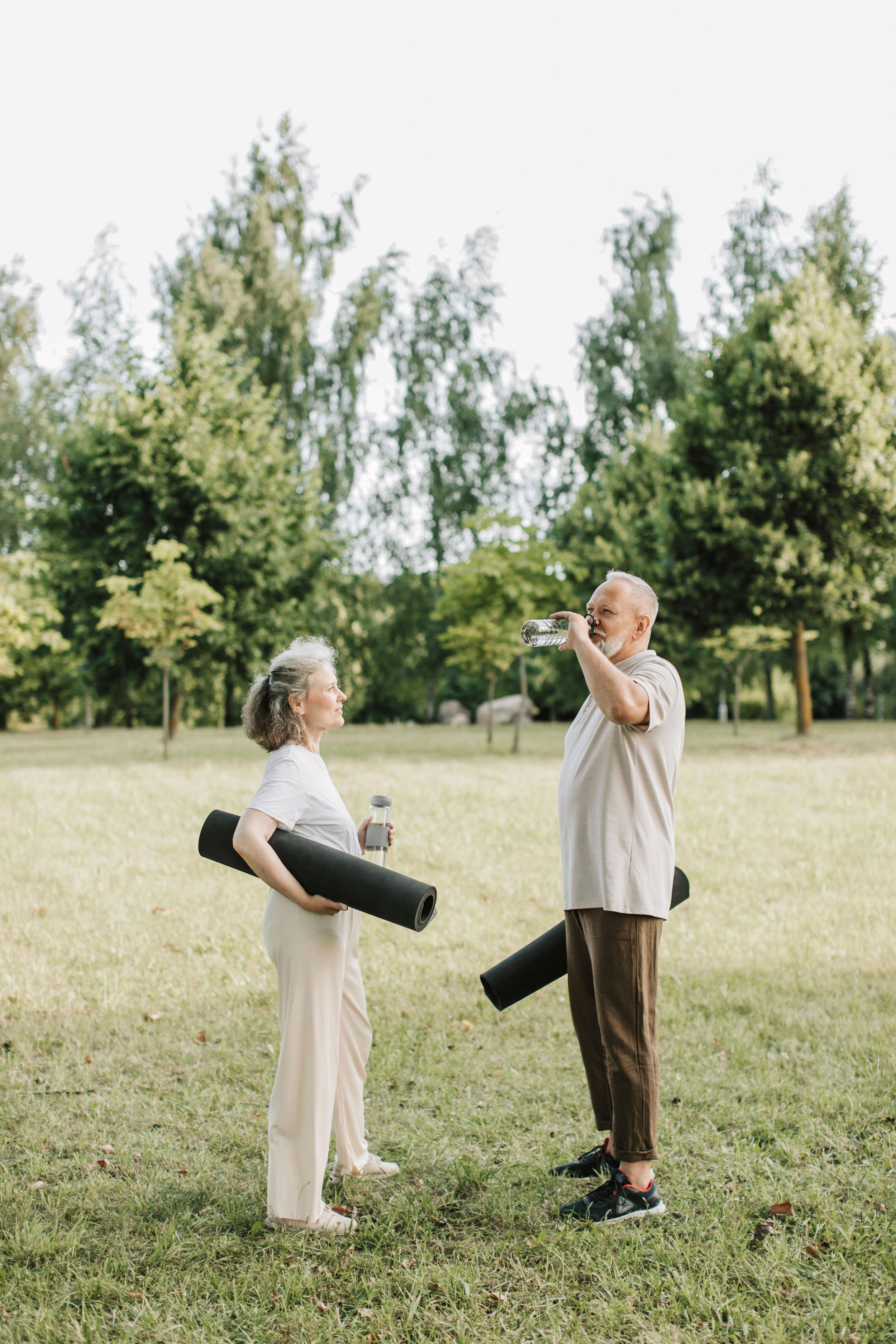
Love dancing but struggle to find a partner? Many community centres and dance schools offer adult dance classes, making it easy to step onto the dance floor and try something new. Exploring a dance style like ballroom, line dancing, or Latin can be a fun adventure all on its own. Dance keeps your feet moving while improving balance, coordination, and cardiovascular health. It also challenges the brain. Learning and recalling step combinations and keeping time with the music support memory, focus, and cognitive function.
Adventure does not have to be extreme to be meaningful. Sometimes it is as simple as exploring a new trail, trying an unfamiliar activity, or discovering that your body is capable of more than you thought. Staying active helps us keep doing the things we love. Along the way, it often leads to new experiences, friendships, and discoveries that make life feel a little more adventurous.
Staying Active Safely in Summer Heat
Summer is a great time to get outside and stay active, but higher temperatures, especially in the middle of the day, can quickly turn a good workout into a draining or even risky experience if you’re not mindful.
One of the simplest and most effective strategies is to plan your activity around the heat. Early mornings and later evenings are typically cooler and more comfortable. If you enjoy a round of golf, consider an early tee time or a twilight round. The same goes for walking, running, or cycling. A small shift in timing can make a noticeable difference in how you feel and how long you’re able to stay active.
Everyday activities count too. Gardening, for example, is a great way to stay active, but it often happens right in the sun. Break it into shorter sessions, take regular breaks in the shade, and keep water nearby. Staying active doesn’t have to mean doing everything all at once.
If your preferred activities, like tennis or pickleball, aren’t accessible during cooler times of day, consider moving them indoors when possible. Many of the same indoor spaces used during the winter months are still available in the summer and offer a cooler, more controlled environment.
For those who enjoy hiking, heading to higher elevations or choosing shaded trails can provide some natural relief from the heat. Even then, it’s important to be prepared and not underestimate how quickly conditions can change, especially later in the day.
What you wear matters more than most people think. Lightweight, breathable clothing helps your body regulate temperature more effectively. A hat can make a significant difference in reducing direct sun exposure, whether you’re walking, gardening, or spending extended time outdoors. While some sun exposure supports vitamin D, protecting your skin during peak heat is just as important.
Hydration is key. Don’t wait until you feel thirsty. Sip water consistently before, during, and after activity. On especially hot days, or during longer sessions, adding electrolytes can be helpful, particularly if you’re sweating more than usual.
It’s also worth noting that some medications and health conditions can affect how your body responds to heat. This makes staying ahead on hydration and choosing the right time of day even more important.
Finally, pay attention to how your body is responding. Heat can affect energy levels, balance, and coordination more quickly than you might expect. Fatigue, dizziness, nausea, or a headache are all signs that it’s time to stop, cool down, and rest.
Staying active is one of the best things you can do for your health. With a few simple adjustments, you can continue to enjoy all the benefits of summer movement while staying safe, comfortable, and energized.
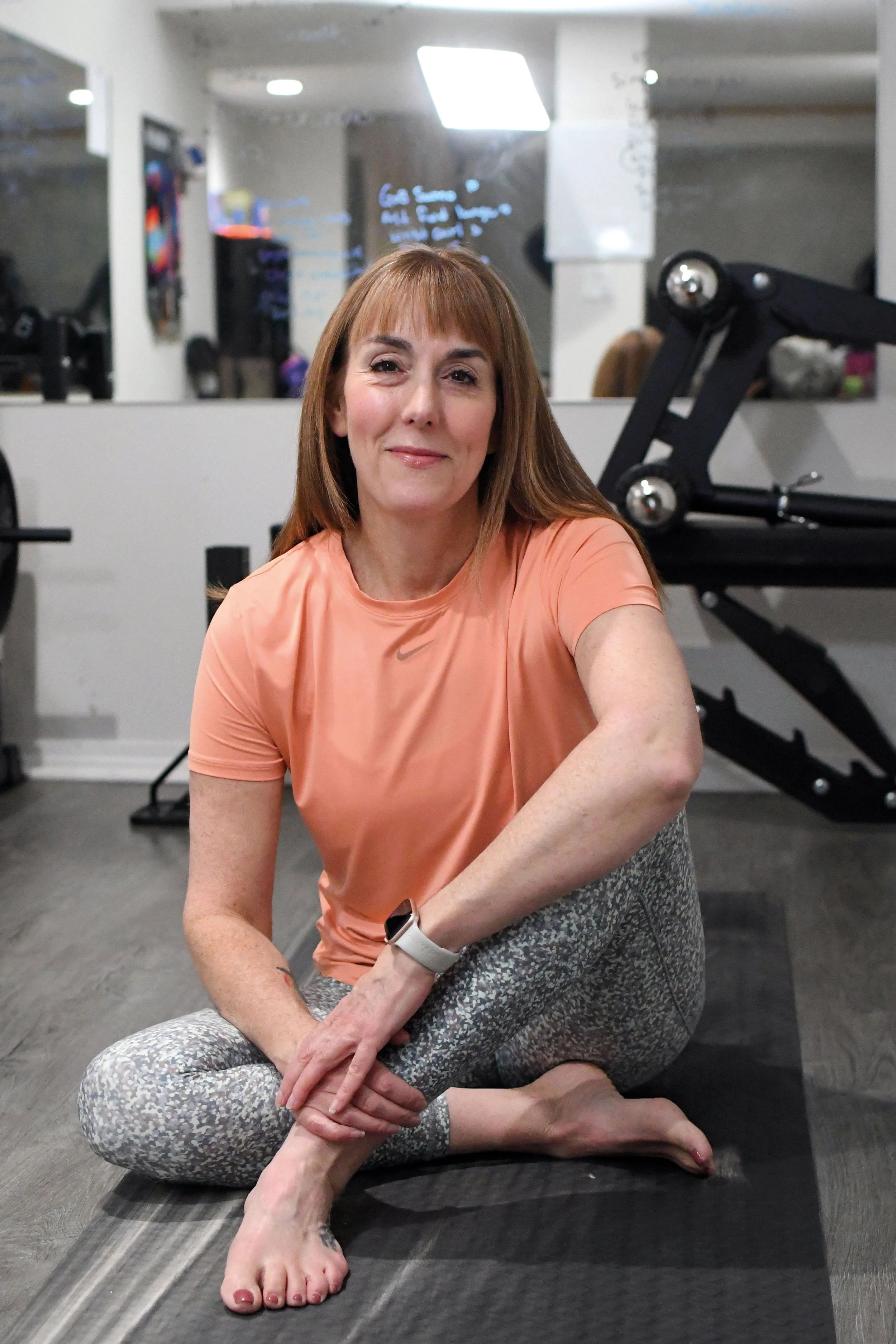
Tricia Ham
Tricia Ham, The Healthy Aging Coach, is based in Calgary. With certifications in personal training, functional aging, osteoporosis fitness, and holistic nutrition (CHN), she specializes in working with adults in midlife and beyond, helping them build strength, energy, and confidence through practical fitness, nourishing habits, and sustainable lifestyle strategies. Her seniors’ fitness classes in northwest Calgary are known for their welcoming, supportive feel and strong sense of community. Tricia believes most people are capable of more than they think and that small, consistent actions can make a meaningful difference at any age. Learn more at thehealthyagingcoach.ca or by emailing Tricia at tricia@thehealthyagingcoach.ca.