

Joint-Friendly Activities That Don’t Feel Like Exercise
By Melanie Hval, MN, RN
There is a version of staying active that involves spandex, a gym membership, and a motivational poster on the wall. This is not that article.
What most older adults actually need, and what the evidence supports, is consistent, low-impact movement woven into daily life. Not a program. Not a regimen. Movement that keeps joints mobile, muscles engaged, and bodies capable of doing the things that matter most. Here is what that can look like.
Walking, even short distances, counts
A 10-minute walk is not a consolation prize. It maintains hip and knee mobility, supports circulation, and keeps the muscles surrounding those joints doing their job. Short and consistent beats long and sporadic, particularly for anyone managing arthritis or recovering from illness.
In Alberta, that might mean a loop around the block before the weather turns, or a walk through a mall in January. For those who cannot easily leave home, a few loops around the kitchen island count. The surface matters less than the habit.
Water-based movement
Warm water reduces joint compression and allows a fuller range of motion than most land-based activity. Aquafit classes at community centres are designed for older adults, with instructors trained to modify for different ability levels.
Moving through chest-deep water, walking pool lengths, or doing gentle arm circles offers meaningful resistance without impact on knees, hips, or ankles. For anyone with significant joint pain, this is often the most comfortable place to start.
Seated stretching
Stiffness is not inevitable, but it requires consistent attention. A short seated routine in the morning addresses range of motion losses that accumulate quietly, rarely noticed until they become functional limitations.
The goal is not flexibility for its own sake. It is preserving the ability to reach overhead, turn to check a blind spot, or rise from a chair without pain. Chair yoga, much of which is free online (thank you, YouTube), follows the same principles and adds breathwork that many people find settling.
Tai chi
The evidence here is strong. Tai chi consistently shows benefits for balance, fall prevention, joint flexibility, and pain management in people with osteoarthritis. Classes are available at many recreation centres, and for those in rural communities, free instructional series are available online, including programs specifically designed for older adults with arthritis.
The slow, deliberate movements are deceptive. This is a legitimate clinical recommendation, not a placeholder activity.
Dancing
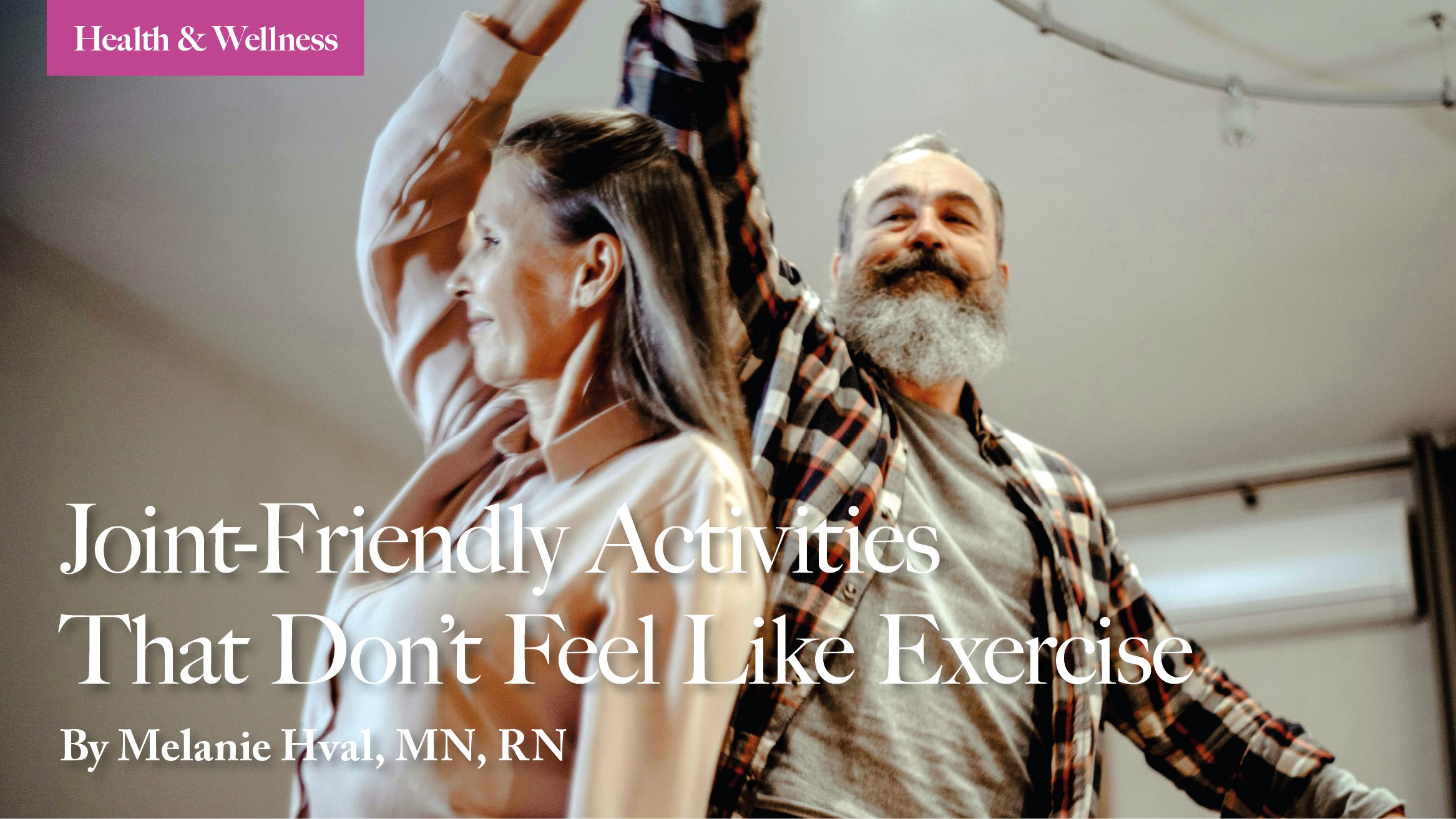
This one surprises people. Dancing! It improves balance, coordination, lower bodystrength, and cognitive engagement. A slow kitchen dance to a favourite song counts. So does a class through a local senior centre.
Movement people enjoy is movement they continue.
Gardening and light household activity
Reaching, shifting weight, carrying light loads - these are functional movement patterns. Gardening and gentle household tasks recruit them without announcing themselves as exercise. Raised beds reduce the need to kneel or crouch, and adaptive tools with larger grips are widely available.
A note before you start
Please speak with your family physician or nurse practitioner before adding anything new, particularly if you are managing a chronic condition, recovering from surgery, or have had a recent fall. Fall risk is real and worth a direct conversation with someone who knows your health history.
The activities above are appropriate for most older adults in general good health. Starting slowly is always the right approach.
A nurse or primary care provider can help you think through what safe, sustainable movement looks like for your specific situation. If you are not sure where to begin, that is a reasonable place to start.
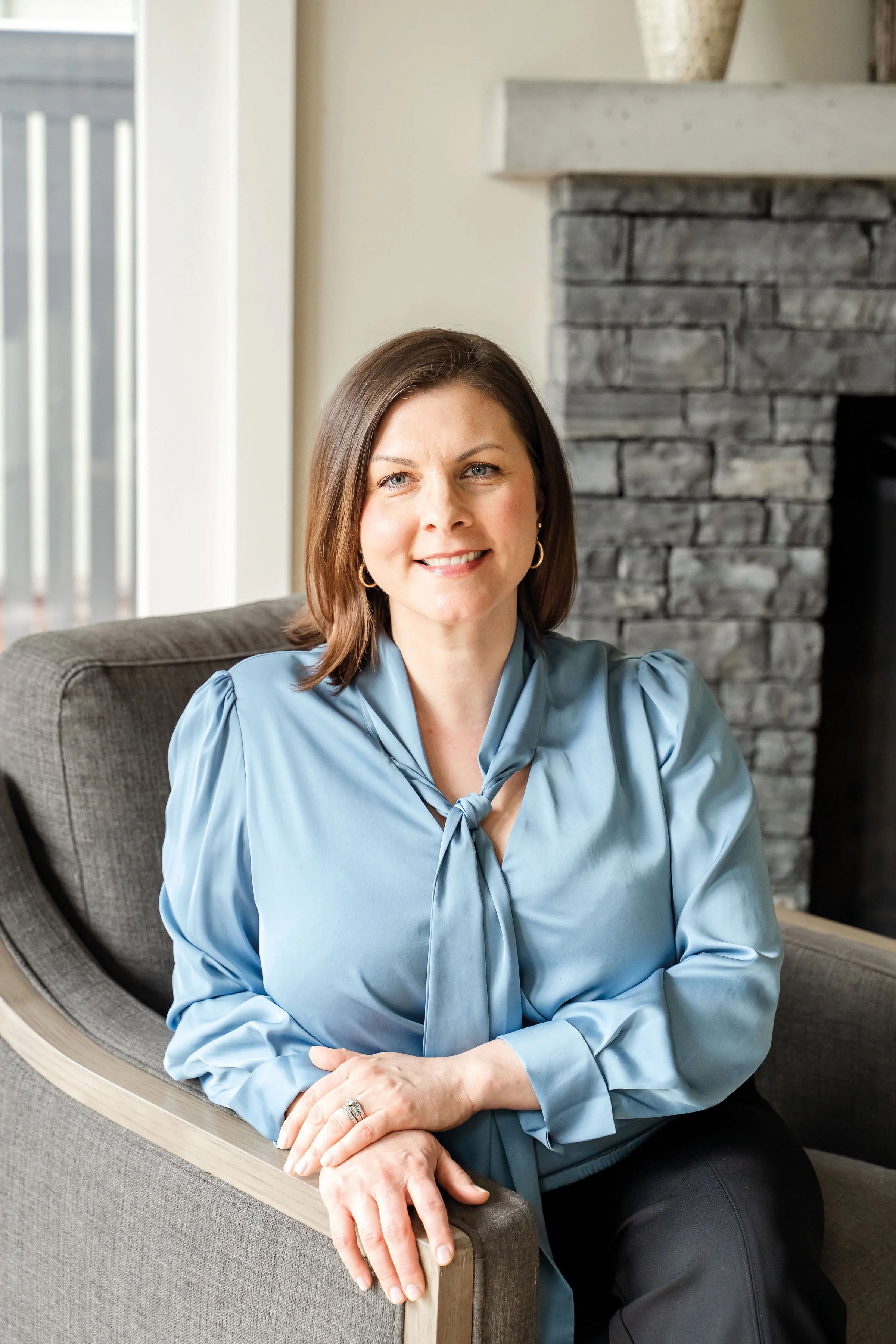
Melanie Hval
Melanie Hval is a Master’s-prepared Registered Nurse and Founder of Compass Rose Care, a nurse-led private home care company based in Calgary.
For more information, visit compassrosecare.com.