

Mental Health After 55: Why This Chapter of Life Can Be Emotionally Complex, and Full of Possibility
By Bonnie Schoonderwoerd
Life after 55 is full of possibilities, and there are many actions you can take to intentionally create a fulfilling life.
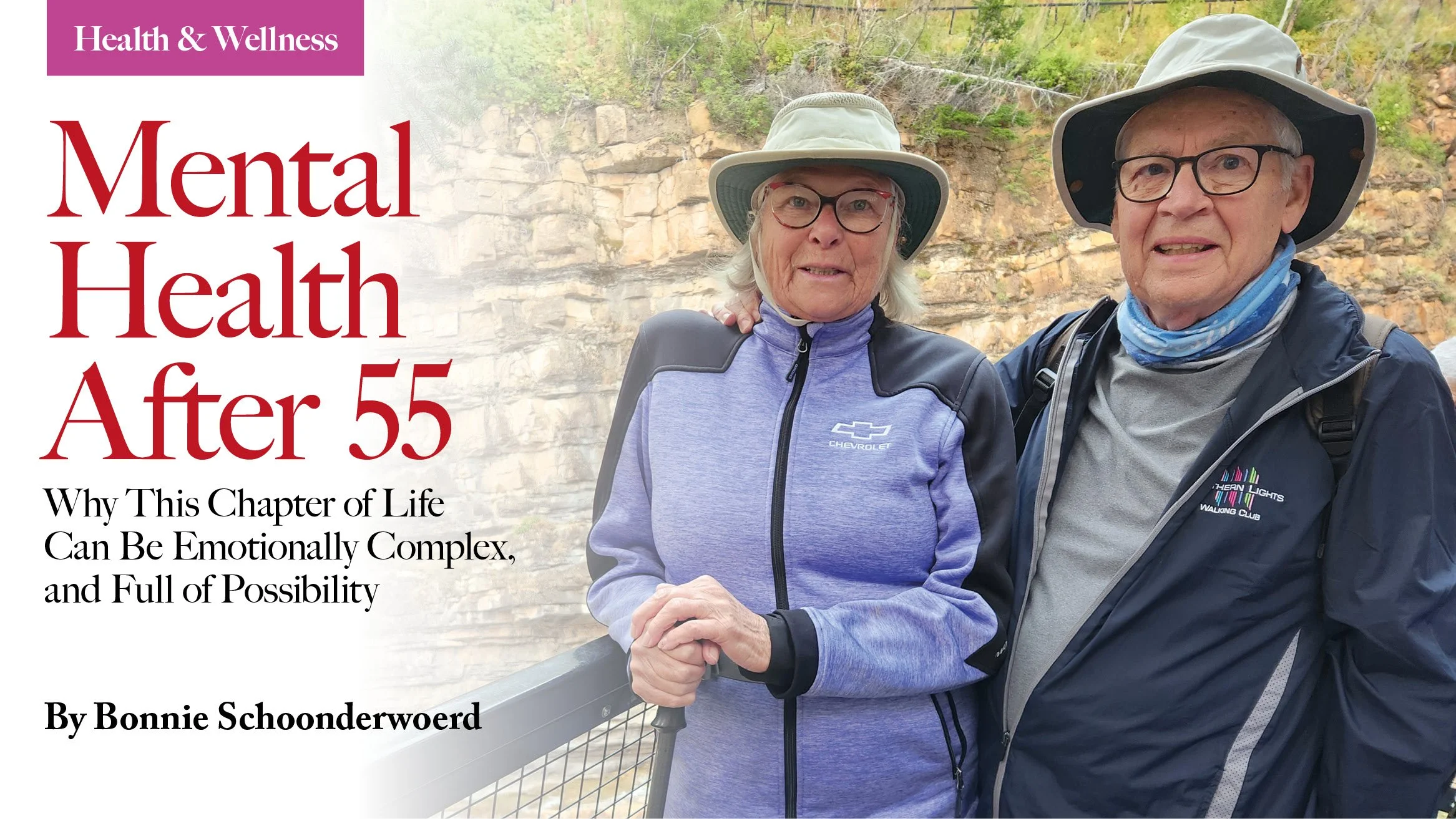
When Matt, 79, and Margaret, 76, talk about their retirement, they become excited. “We love finally having the time to pursue the things that we are interested in!” says Matt. Margaret agrees, “The pressure has lifted, we have fewer responsibilities now.”
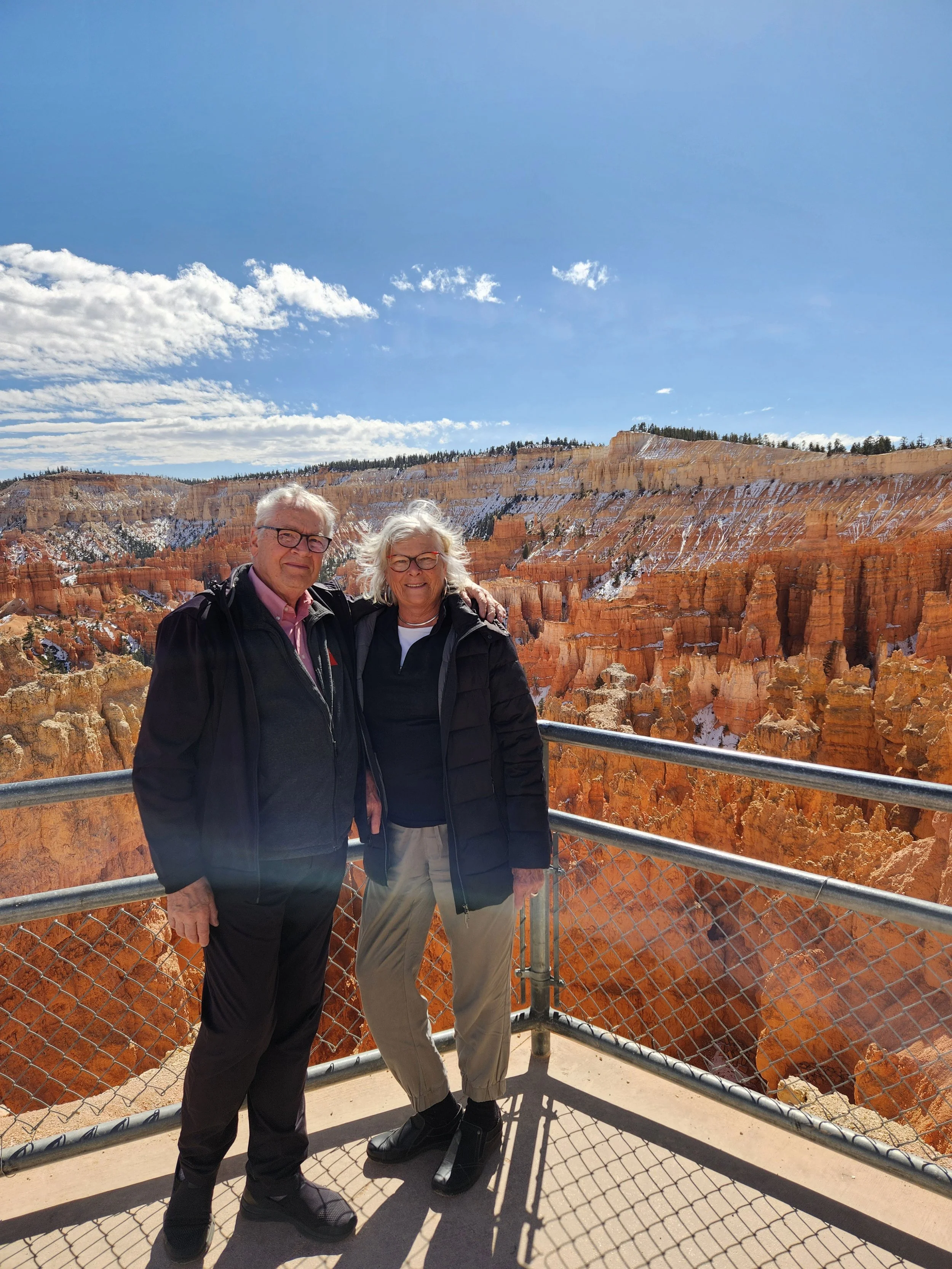
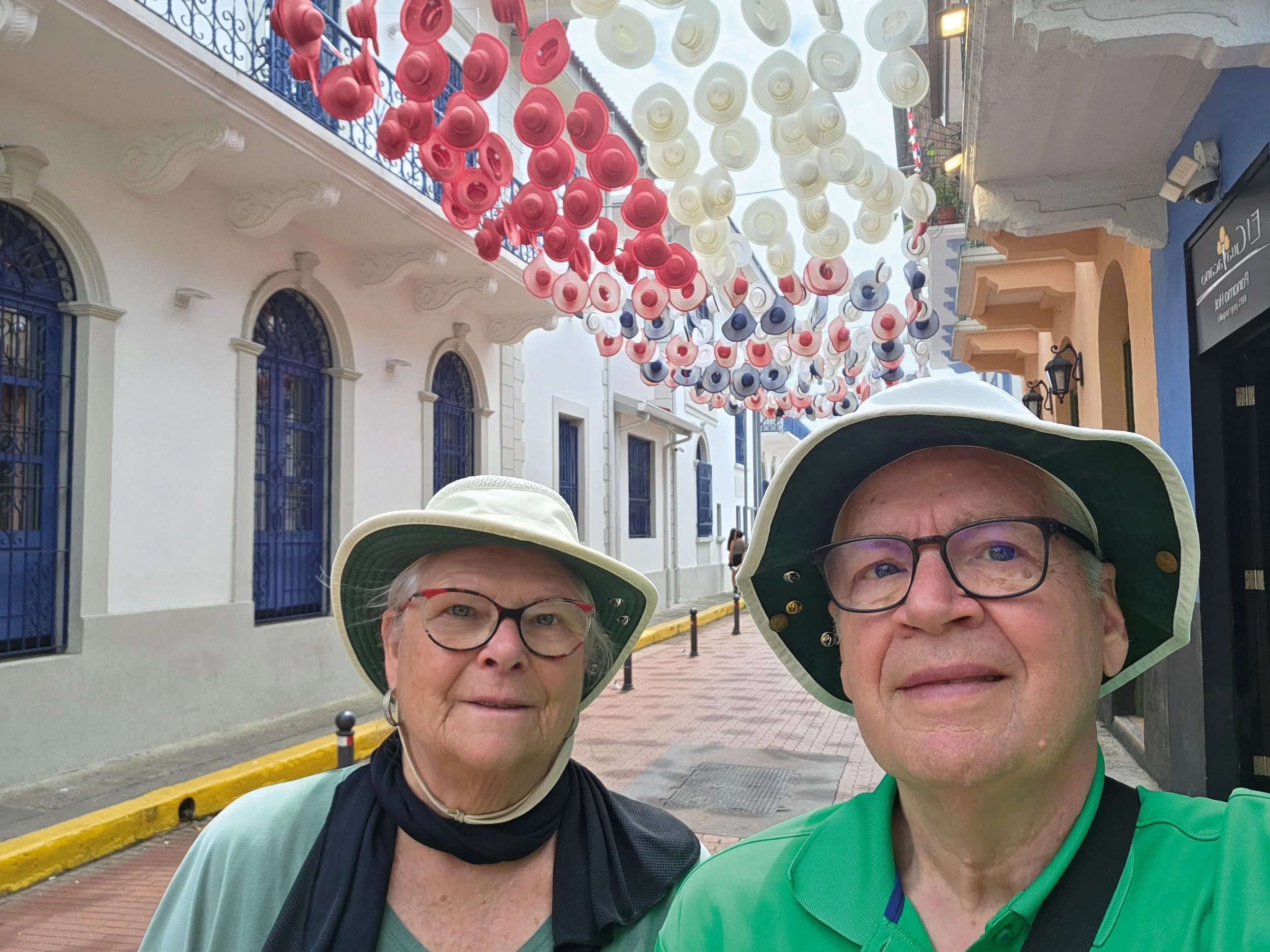
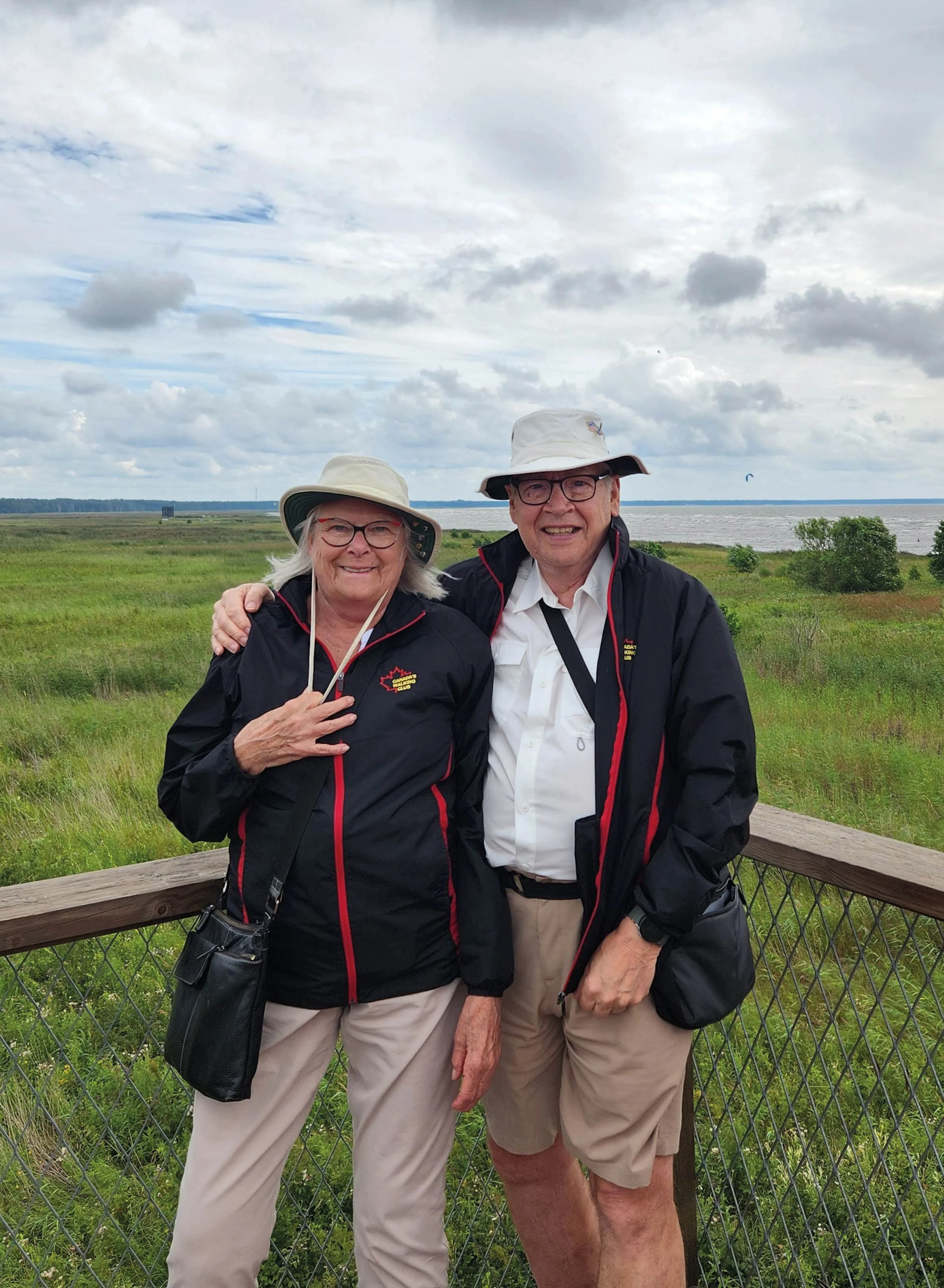
One of the couple’s shared interests that keeps them healthy is walking. They are members of their local chapter of an international walking association called Volkssport. Volkssport has over 50 participating countries worldwide, and they organize non-competitive walking events on safe trails, without the stresses of speed. The gatherings of walkers can range from a handful of locals, simply walking on city trails, to larger, organized events with up to 2,000 participants. Matt and Margaret have attended walking events in Lithuania, Latvia, Estonia, Finland, the Netherlands, Switzerland, Spain, Texas, New Orleans, Arizona, Mexico, Honduras, Belize, and, most recently, Panama.
Matt believes that there are four pillars to having a healthy retirement: “There has to be a balance between the physical, social, mental, and spiritual parts of you.” Matt and Margaret explain that for them, travelling the world engages all four pillars and keeps them feeling young. They are long-time fans of travel guru Rick Steves, who proclaims that the thrill of navigating new places and challenges keeps your mind active and your body stimulated on a cellular level. Similar to Rick Steves, Matt and Margaret make a concerted effort to learn about the art, architecture, and history of the places they visit. With a sense of adventure, they visit open-air markets and restaurants to try out local foods, and they problem-solve to learn to use the local transit to explore churches and infrastructure like the Panama Canal, for example.
Matt and Margaret keep a journal of their travels, accompanied by photography, and keep their family updated about their trips online through a WhatsApp group. Once they are home, they self-publish their photo journals by using the Find Penguins app or by simply having their journals printed and coil-bound at Staples. Their travelogues make wonderful coffee table books and stimulating conversation pieces that they share with their friends and family members, who also love to travel.
Planning for Retirement
Travelling is not inexpensive, however. The couple realized that travelling was something they valued and brought them joy. With the help of a financial planner, they budgeted for travel when preparing for their retirement. Matt took over three years to become officially retired. He eased into it by reducing his work schedule to three days per week. After that, he took on consulting projects and smaller contracts that brought them to live in Quebec for a short time. “In hindsight, I realize that my identity was wrapped up in my job, and that wasn’t healthy,” Matt reflects.
Research has found that how you transition into retirement is important. People have a higher risk of experiencing depression if retirement is involuntary or caused by unfortunate or shocking circumstances, such as losing a loved one, health complications, caregiving duties, or unemployment. Before you retire, it is important to make plans about how you want to spend your time. Consider booking an appointment with a counsellor or psychologist to help you adjust to this transition in your life. They can provide you with helpful resources in your community and online. For example, Matt and Margaret enjoy the newsletter they receive from the Optimal Aging Portal from McMaster University.
Psychologists can also do a personal values exploration with you, to help you rediscover the activities that you may have always wanted to do, but never had the time for, because you were too busy working. Through conversations or questionnaires, your therapist can help you pinpoint the pursuits that bring you joy, give you purpose, and keep you stimulated physically, socially, mentally, and spiritually.
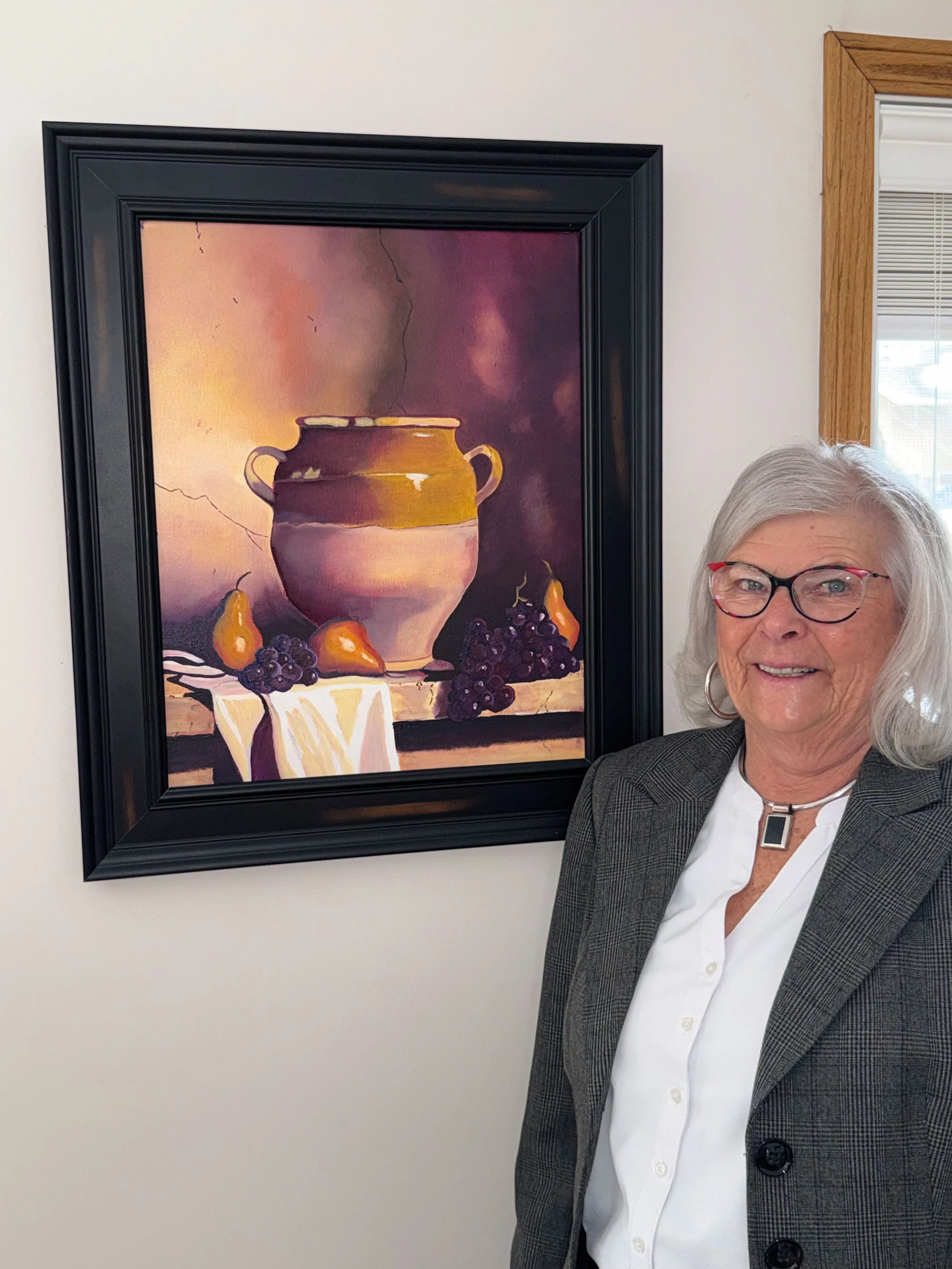
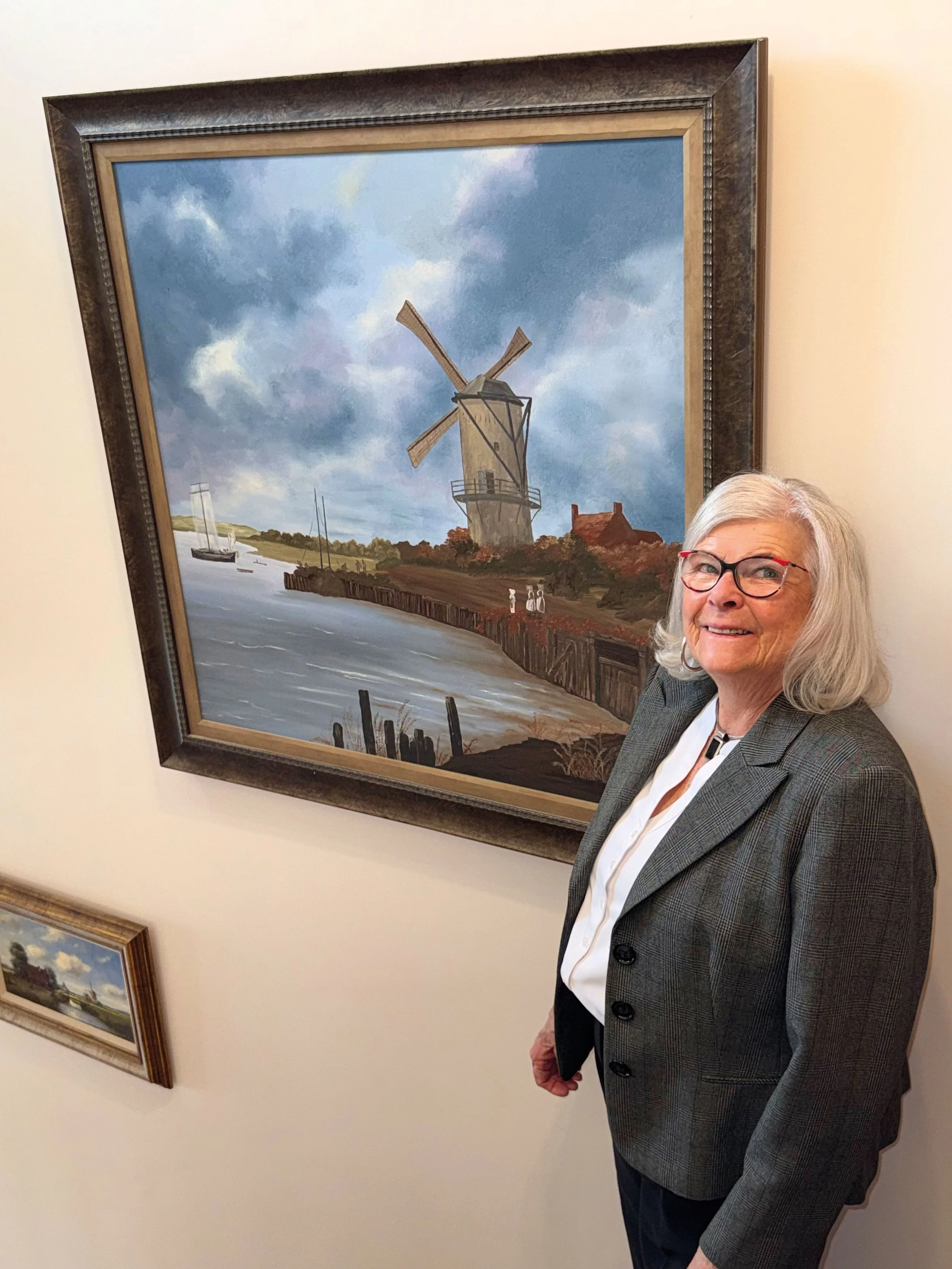
Something that keeps Margaret joyful is being creative. An accomplished oil painter, Margaret enjoyed socializing with other artists when she enrolled in oil painting classes to hone her skills. Margaret has painted still life, churches, rustic scenes, and Dutch landscapes, including a very large painting of windmills in the North Sea that graces her front foyer. When Margaret was living in Quebec, she tried her hand at painting French villages in cheerful acrylic colours in the local folk art style. When in Panama, Margaret created her own greeting cards using black ink and watercolours.
Combating Loneliness
Another way the couple finds purpose and meaning in their life is through volunteerism. They visit senior members of their community who rarely leave their homes as a result of chronic conditions, disability, or age. When people become confined to their homes, it can be very isolating and lonely. People with strong social ties have a 50% higher likelihood of living longer, but loneliness is linked to a noticeably higher risk of stroke and cardiovascular disease.
When asked what they have learned through volunteering, Matt responded, “We have found that how resilient and adaptable to change you are affects your state of mind. If you have a positive outlook on life, you will enjoy it more. Your mindset matters. You can choose joy.”
Keeping on top of the latest advancements in technology is also important to the couple. With the help of their children, they strive to use the latest apps and current technologies like cell phones and tablets. This stimulates them mentally and helps them stay connected socially. “We observed that some retirees choose to give up, they don’t want to change, and they don’t want to update their communication devices… You can get left behind when your devices are obsolete.”
Whatever your personal beliefs are, it is important not to ignore the spiritual part of yourself. For some individuals, this can mean spending time in contemplation, pilgrimages, morning devotions, forest bathing, yoga, or meditation, for example. For Holy Week this year, Matt returned to the Taizé monastery in Burgundy, France, for a time of quiet reflection and focusing on God through prayers and songs. This time, one of his five grown children, Mathew, will be joining him.
Changing Roles
Matt and Margaret are parents to five children. Their days used to be busy, with stressful schedules, focused on work, cooking, cleaning, raising their children, bringing them to school and to their extracurricular activities. Now, they are intentional about how they spend their time. They have found it easier to be mindful and present in the current moment, like when they spend time with their grandchildren. Grandparents can be instrumental in building a family identity through sharing their stories of their childhoods, their holiday traditions, language, culture, recipes, and their immigration stories. Knowing that you have created a legacy is rewarding to many retirees. Creating authentic bonds with your grandchildren takes time and energy, but the rewards are meaningful relationships with your loved ones.

Bonnie Schoonderwoerd
Bonnie Schoonderwoerd provides counselling for life transitions, anxiety, grief, trauma, and depression as a Registered Provisional Psychologist at Insight Psychological in Edmonton. Bonnie grew up on a hobby farm in northwestern British Columbia and moved to Edmonton in 1994 to begin her psychology degree at the University of Alberta. At age 19, she began working in an extended care facility as a nursing and recreation attendant on weekends, and she has loved working with seniors ever since.