
Make a Splash, Not a Tragedy: Keeping you and your loved ones safe in, on, and around the water this summer
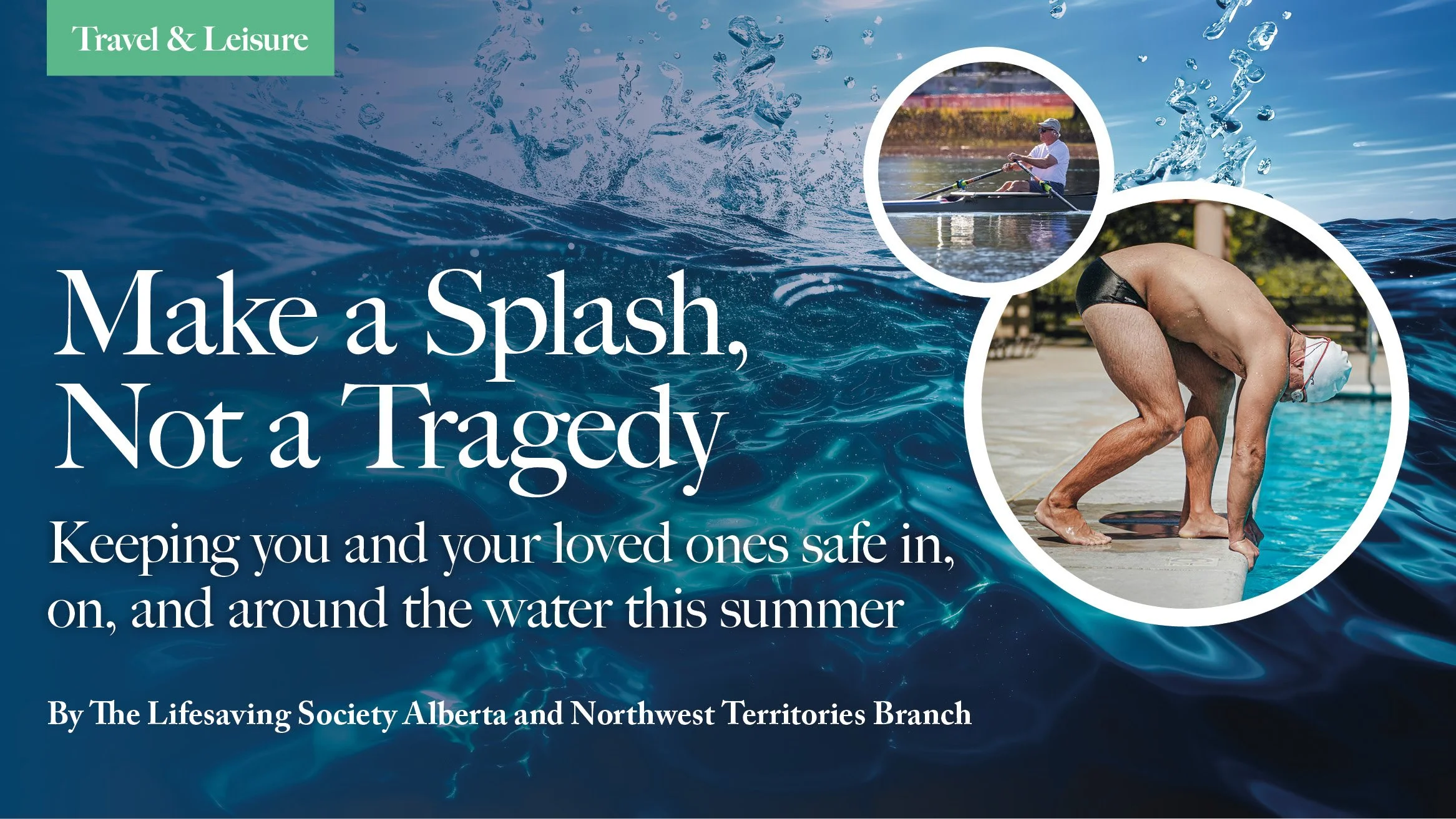
By The Lifesaving Society Alberta and Northwest Territories Branch
Whether it’s casting a line at your favourite fishing spot, taking the grandchildren to the pool, or enjoying a peaceful walk along the lake, water offers countless ways to relax, connect, and stay active. For many of us, these moments are part of what makes the summer so special.
As inviting and fun as water can be, it also comes with hidden risks. Understanding those risks and how to make a few simple, preventative choices is key to keeping you and your loved ones safe in, on, or around the water.
The Drowning Problem
Each year, more than 450 people lose their lives to drowning in Canada. Most of these drownings happen during the summer months and in outdoor, unsupervised settings like lakes, ponds, and rivers. Unlike in the movies, drowning is often silent and can happen within seconds.
Older adults are particularly at risk, accounting for roughly 42% of drowning fatalities in the country. Those who drown are frequently alone, not wearing a lifejacket, or impaired by alcohol or other substances that affect judgment and reaction time.
Another important, and often underestimated, factor is cold water. Canadian waters remain cold year-round, even on warm summer days. Cold water can impair even the strongest swimmers, making it hard to move, breathe, and think. These effects can happen within minutes and make an unexpected fall into the water dangerous.
While these realities can sound alarming, there are a few simple, lifesaving decisions you can make to ensure everyone has a fun and safe summer.
Know Your Limits
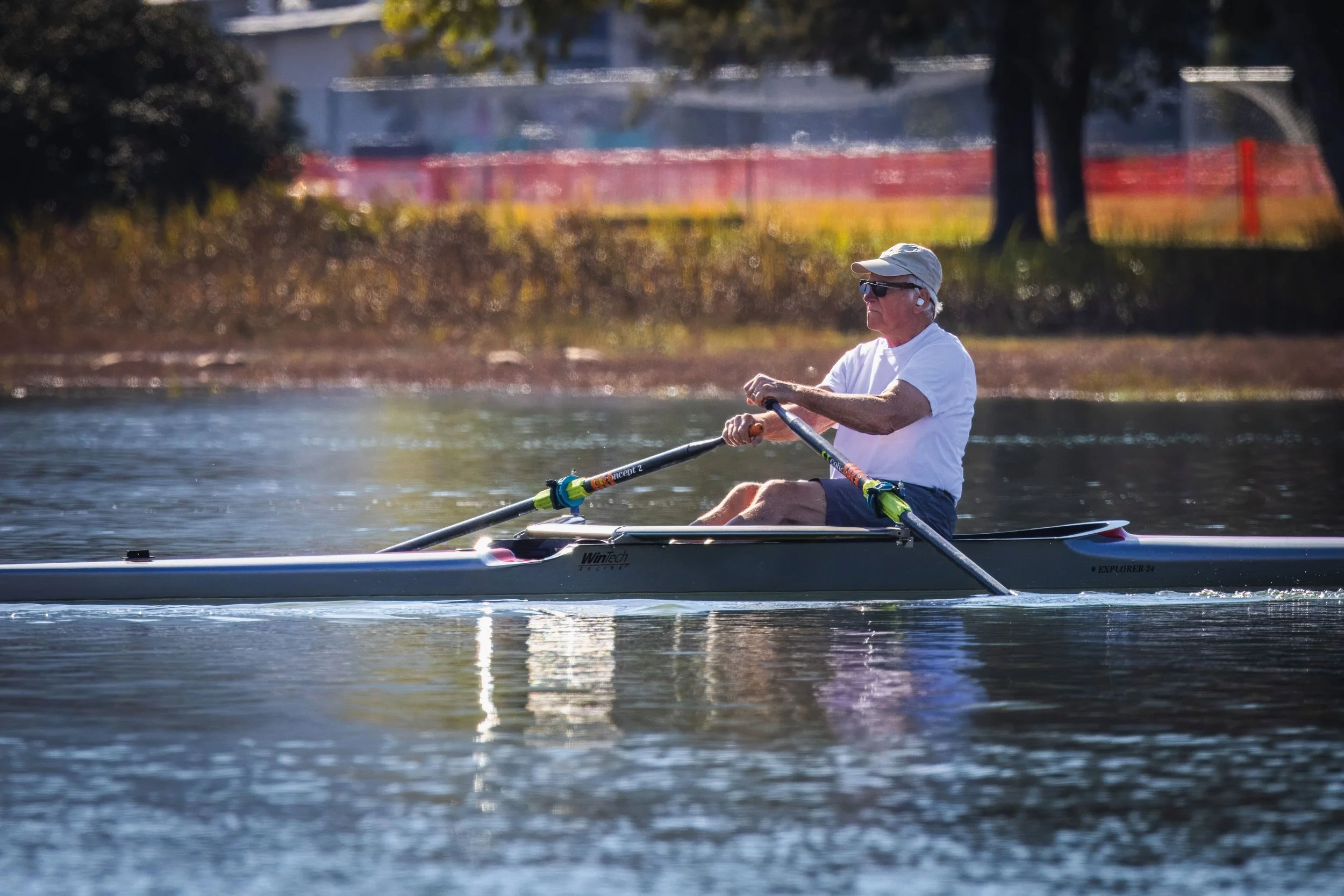
As we age, our relationship with the water can change. Understanding these changes is key to staying safe and enjoying everything the outdoors has to offer. It is not uncommon to experience reduced strength, slower reaction times, or changes in balance that can all increase the risk of falling into the water or difficulty getting out of tricky situations. Even strong swimmers may find they get tired more quickly than they did in the past.
This does not mean giving up the activities you love; it simply means adapting how you approach them. Being mindful of your limits, avoiding going out alone, and checking in with yourself often, especially in open water swimming conditions, can make a significant difference. Listening to your body is one of the smartest safety strategies you have.
"Listening to your body is one of the smartest safety strategies you have."
Wear a Lifejacket
Lifejackets are for everyone! Wearing a lifejacket drastically reduces your risk of drowning. In the event of a fall, a properly fitted lifejacket keeps your head above water, conserves energy, and helps protect against the effects of cold water.
Lifejackets are like seatbelts. By the time you need one, it is too late to put it on. Wear yours when you go boating, fishing, paddling, or spend time near unfamiliar or slippery shorelines. They are also great to use when going swimming in a pool or open-water conditions.
Take a Swimming Class or Lessons
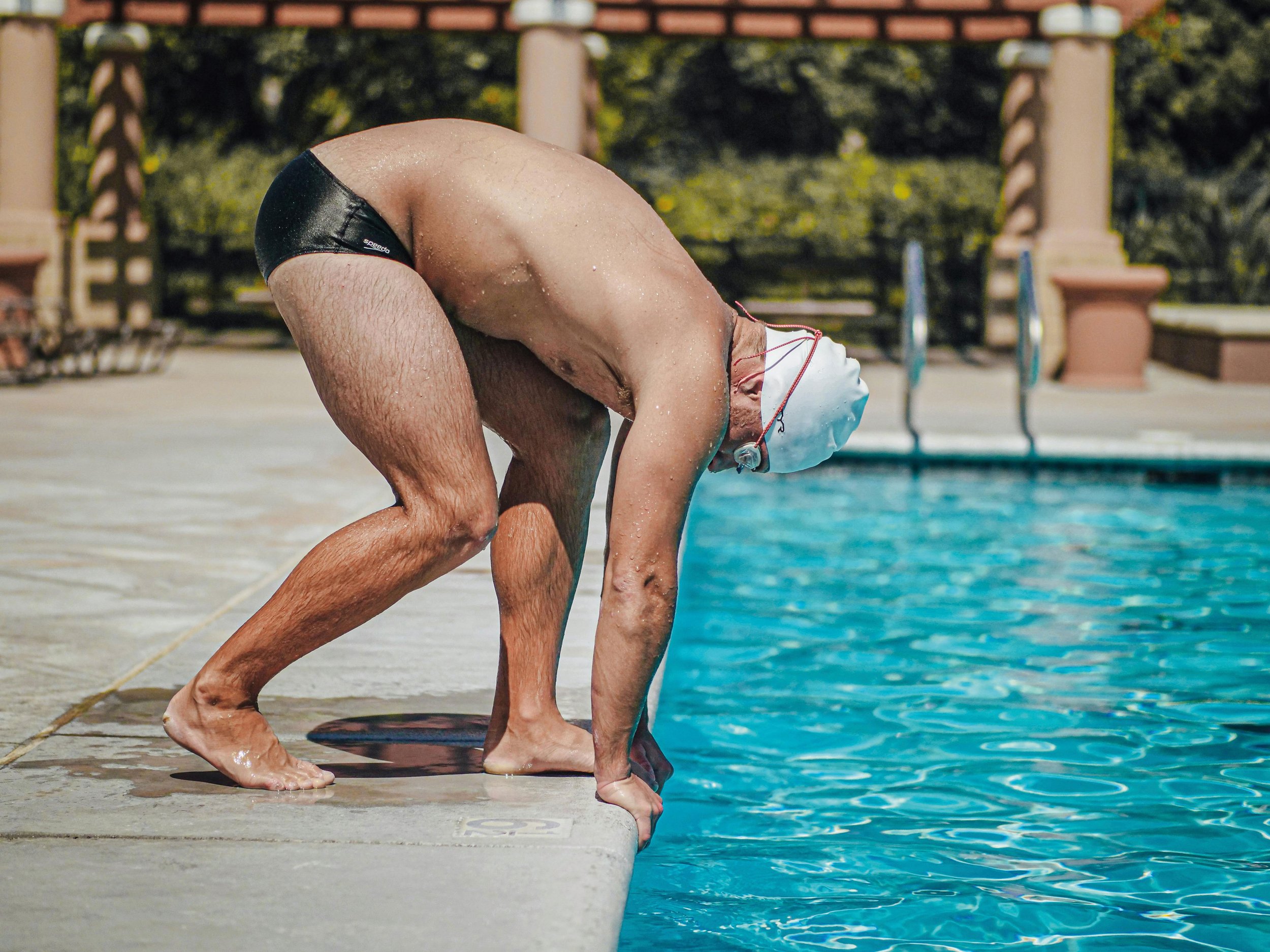
If you have ever thought about learning how to swim or improving your swimming skills, there is no better time to start. There are programs available for all ages and abilities, whether you are a beginner looking to overcome your fear of water or a confident swimmer looking to refresh your skills. Learning or strengthening skills like treading water and safe entry techniques can make a significant difference in an emergency and can add to your enjoyment in the water.
You can also take an aquatic exercise class. These low-impact workouts are designed for a wide range of abilities, meaning even non-swimmers or those less confident in the water can participate comfortably. From gentle movement classes to more active sessions, aquatic exercise offers a fun, joint-friendly way to stay active, improve balance, and connect with others.
Contact your local facility to find a program right for you.
Hydrate Responsibly
Drinking alcohol can have several effects on the body, including balance, coordination, and judgment. These effects can also grow stronger if you spend time under the sun. Staying sober while you are boating, swimming, or even bathing can help you stay alert, react quickly, and make sound decisions. It is always better to save any celebratory drinks for when you are back on shore (or your couch).
Staying hydrated is just as important for your safety and health. Drinking water supports your body in several ways, helping you stay cool and energized. Time outdoors and aquatic activities (even less intensive ones) can gradually dehydrate your body before you realize it. Keeping water on hand can make it easy to hydrate throughout your day. Many indoor and outdoor recreation areas offer water fountains or refill stations that you can use to replenish when you need it.
Within Arms’ Reach and Active Supervision
If you plan to take the grandchildren to the lake or the local pool, it is important to remember how you can help them stay safe as their caregiver. Active supervision is vital for ensuring that children stay safe while they are in or around water. This means bringing the supplies you need, like sunscreen or towels, and keeping them nearby so they are there when you need them. It also means staying close enough to touch, see, and hear your grandchildren. A good way to do this is to be involved - talk and play together. Do not leave children unattended in, on, or around water.
It is also important to know your limits as a caregiver. If you are unable to provide constant, close supervision on your own, bring another responsible adult or choose a lifeguard-supervised setting so you have someone who can help.
Be Prepared
It is always better to come prepared for the expected and unexpected when you take a trip out on a boat, canoe, or other watercraft. A basic rule for everyone is know before you go! Check the weather and your watercraft. If it has a motor, then the person driving the craft should be trained on how to operate it and have their Pleasure Craft Operator card.
You should also make a plan for where you will go and ensure a trusted friend or family member knows it too. Bring the appropriate safety equipment for your trip - this should include lifejackets for everyone on board.
Anyone Can Drown, No One Should
With summer comes many ways to get outside and be active in, on, and around water. Swimming, kayaking, or even a walk along the lake are great ways to relax and connect with family and friends, but it is important to be aware of the risks associated with water. Drowning and water-related injuries can happen to anyone, but they can also be avoided. Understanding the risks and how you can make informed choices about them will help you and your loved ones stay safe while you have fun.
Everyone has a role to play in keeping our communities safer around water. Whether by learning new safety skills, taking the Lifesaving Society’s free Water Smart Advocate Course, or donating to drowning prevention efforts, there are many ways to get involved and make a difference.
The Lifesaving Society Alberta and Northwest Territories Branch
The Lifesaving Society Alberta and Northwest Territories Branch is a charity with a mission to prevent drowning and water-related injury. As a leader in drowning and water-related injury prevention, the Society provides expertise to communities and decision-makers while delivering comprehensive programs, products, and services that promote safety in and around water. Through training programs, Water Smart® public education, aquatic safety management services, lifesaving sport, and water incident research, the Society works to save lives and build safer communities across Alberta and the Northwest Territories. Learn more or get involved at lifesaving.org.