

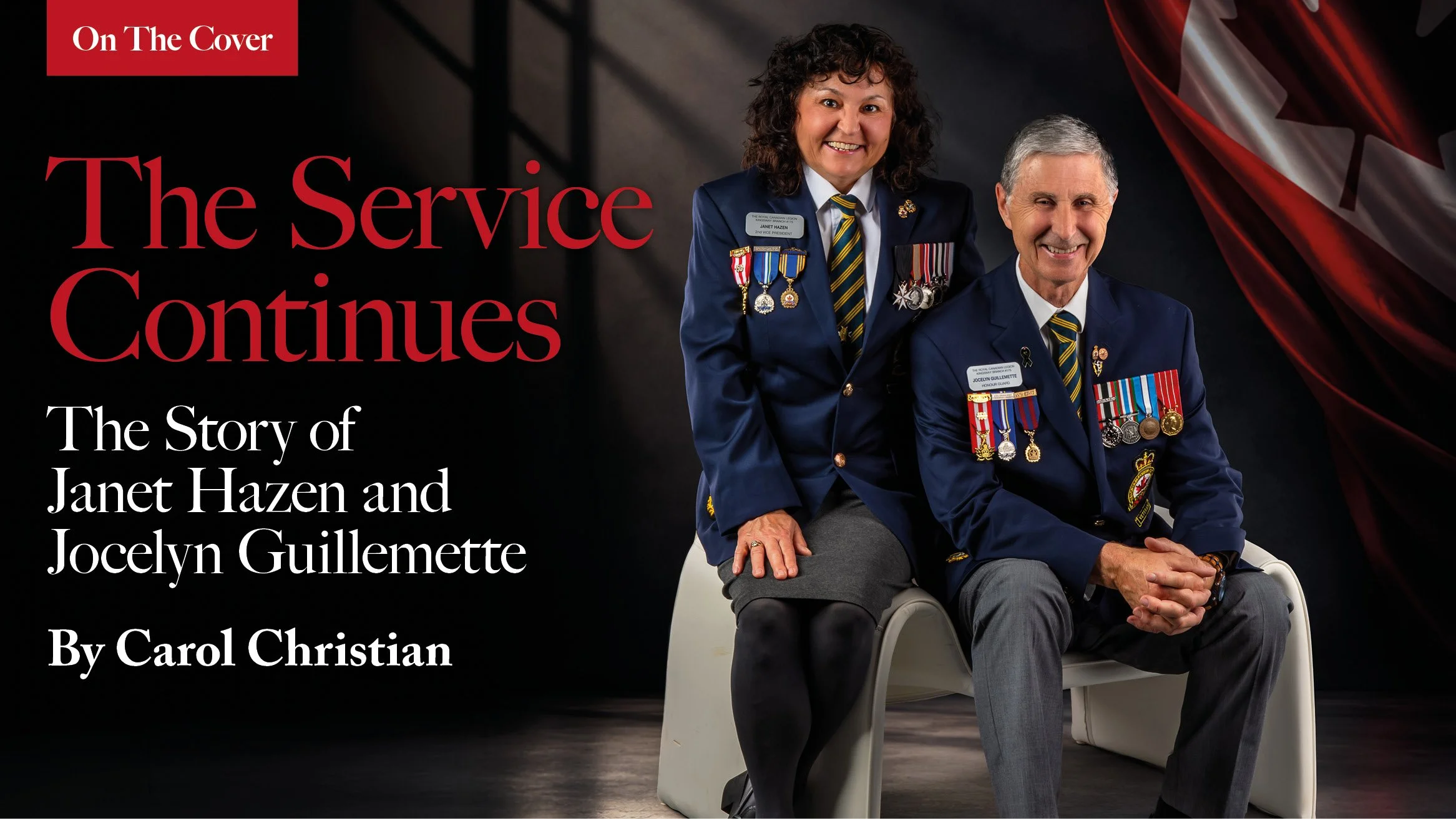
By Carol Christian
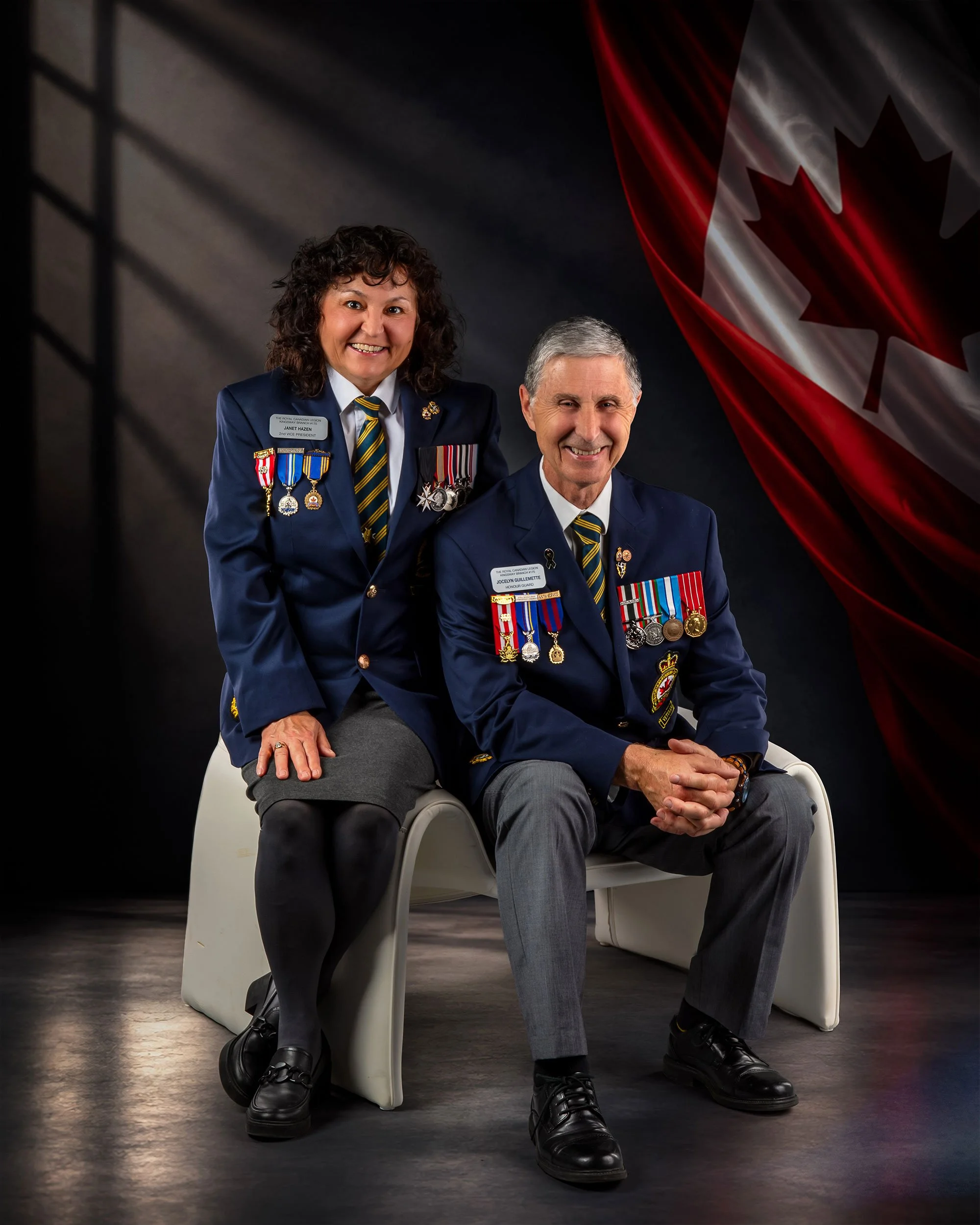
While their individual military careers took Janet Hazen and Jocelyn Guillemette across Canada and on international deployments, retirement has taken them even farther.
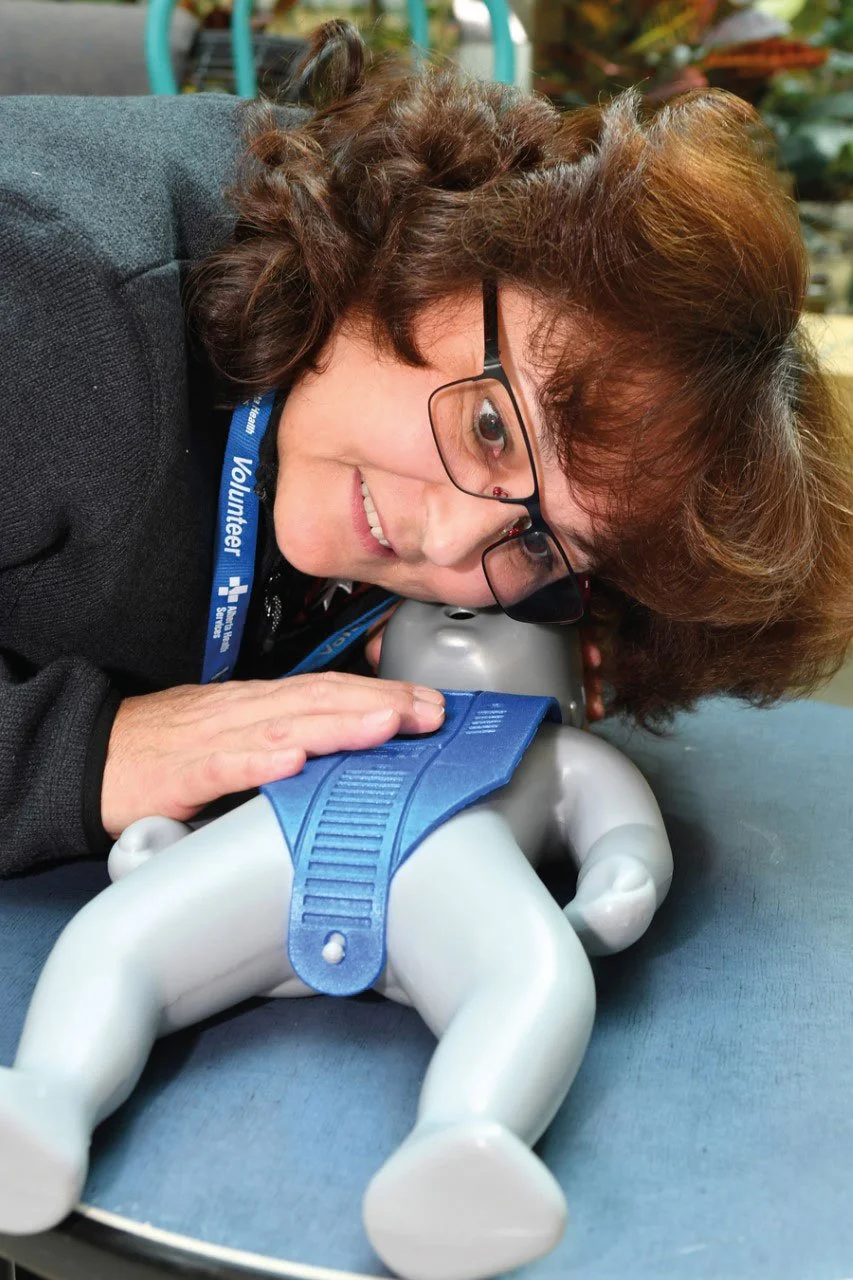
Today, the couple can be found supporting wildfire evacuees in northern Alberta and Manitoba, helping veterans access services, volunteering at the Veterans Association Food Bank and bringing dental care to underserved countries, proving that for some, service doesn’t end when the official uniform comes off.
“If you have a passion for something, go for it,’ says Hazen. “You have to find your niche.”
And, adds Guillemette, “It has to be from your heart.
“When you do it, you get tenfold back.”
Their penchant for helping others began with their military careers. Their vast involvement in volunteerism spans pages and decades on their resumes.
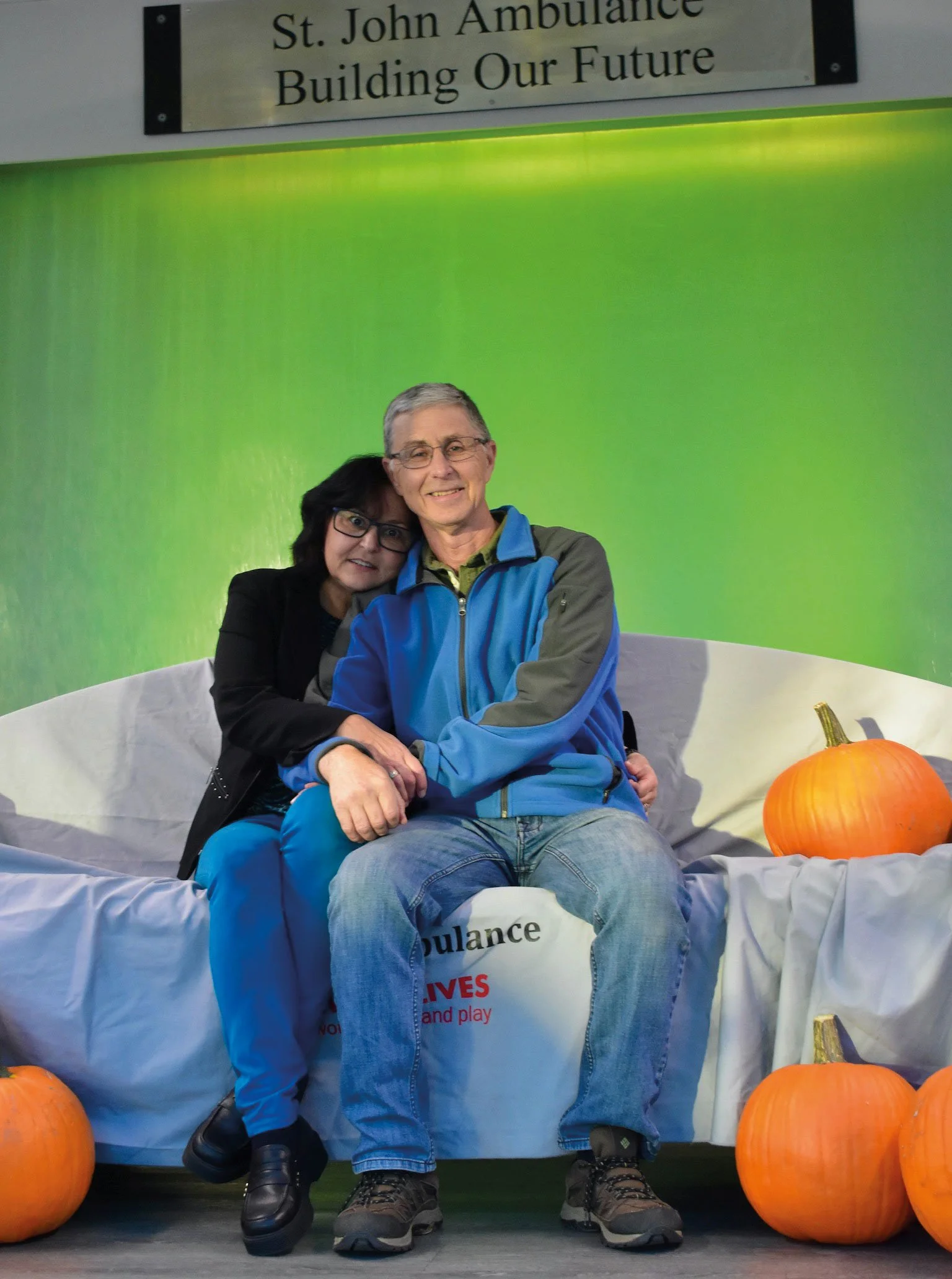
Hazen and Guillemette had come to know each other casually through their military career. When Hazen and her first husband parted company, her acquaintance with Guillemette gradually deepened into a romance, although it was long-distance in the beginning, as she was in Edmonton and he was in Montreal. The couple has now been married for 33 years.
Her first husband was in the military, and Hazen recalls following him for years on various deployments and supporting his career. When they were repatriated to Canada, Hazen entertained the idea of going back to school. She had always worked and found herself yearning for something different. Her career in the military came about after a suggestion by family friends during a weekly card game. Hazen had mentioned she was feeling unchallenged now that her kids were growing and she had more time.
When Hazen voiced the idea of joining the military to her then husband, he predicted she would never go through with it.
Challenge accepted.
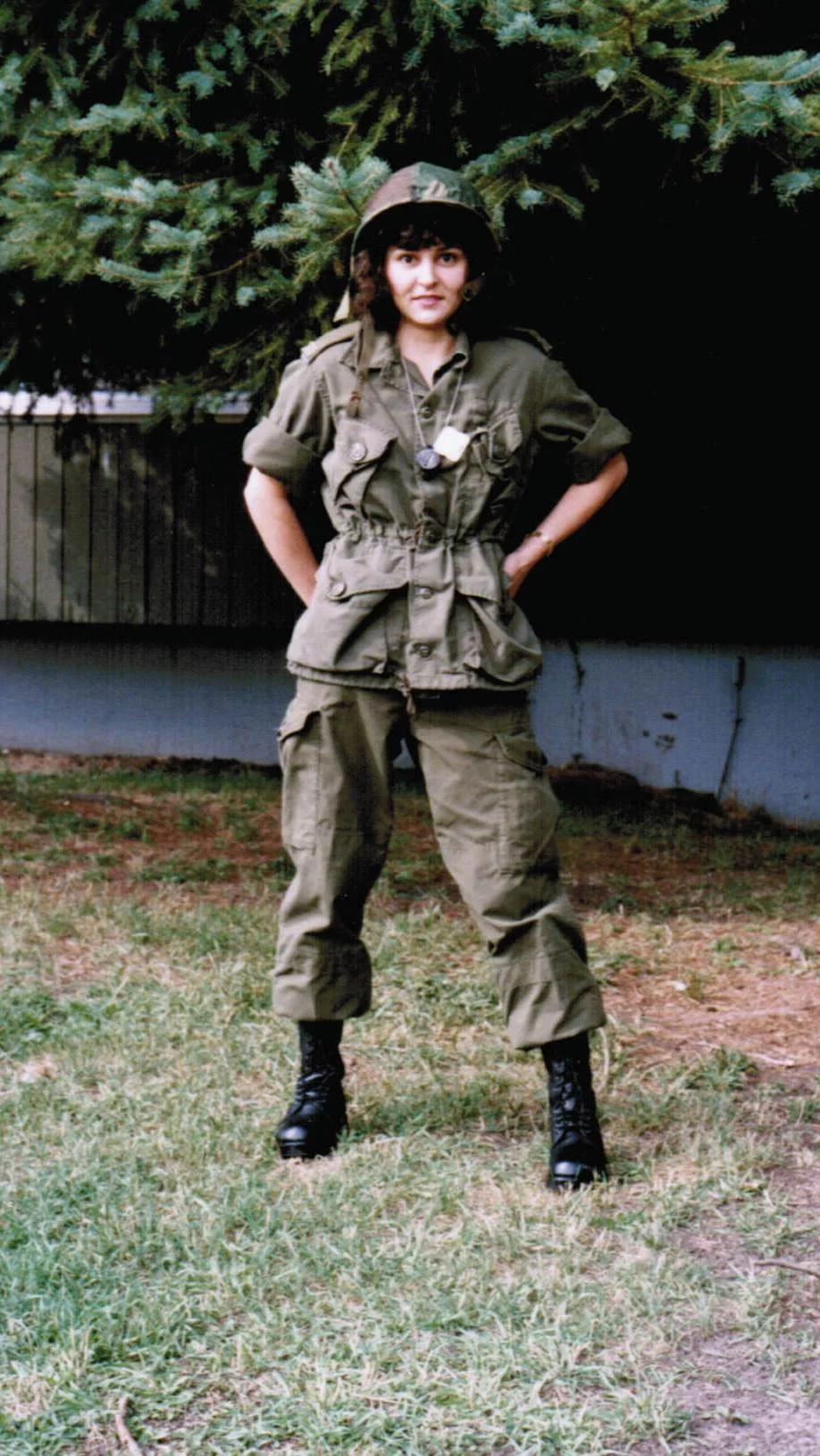
She enlisted with the Canadian Armed Forces the next day and excelled in the dental technician course. The year was 1990. When it came time to leave home for her trade’s training, he presented an ultimatum: Him or the military.
“I made my choice, and I don’t regret it,” she says. “Without the military training and the paths it opened for me, I wouldn’t have gone on to do all these things. That experience is at the root of everything I do.”
Hazen spent 33 years as a registered dental assistant and eight years as a dental office manager. Her background also includes 24 years’ experience as a national examiner/facilitator for the National Dental Assisting Examining Board.
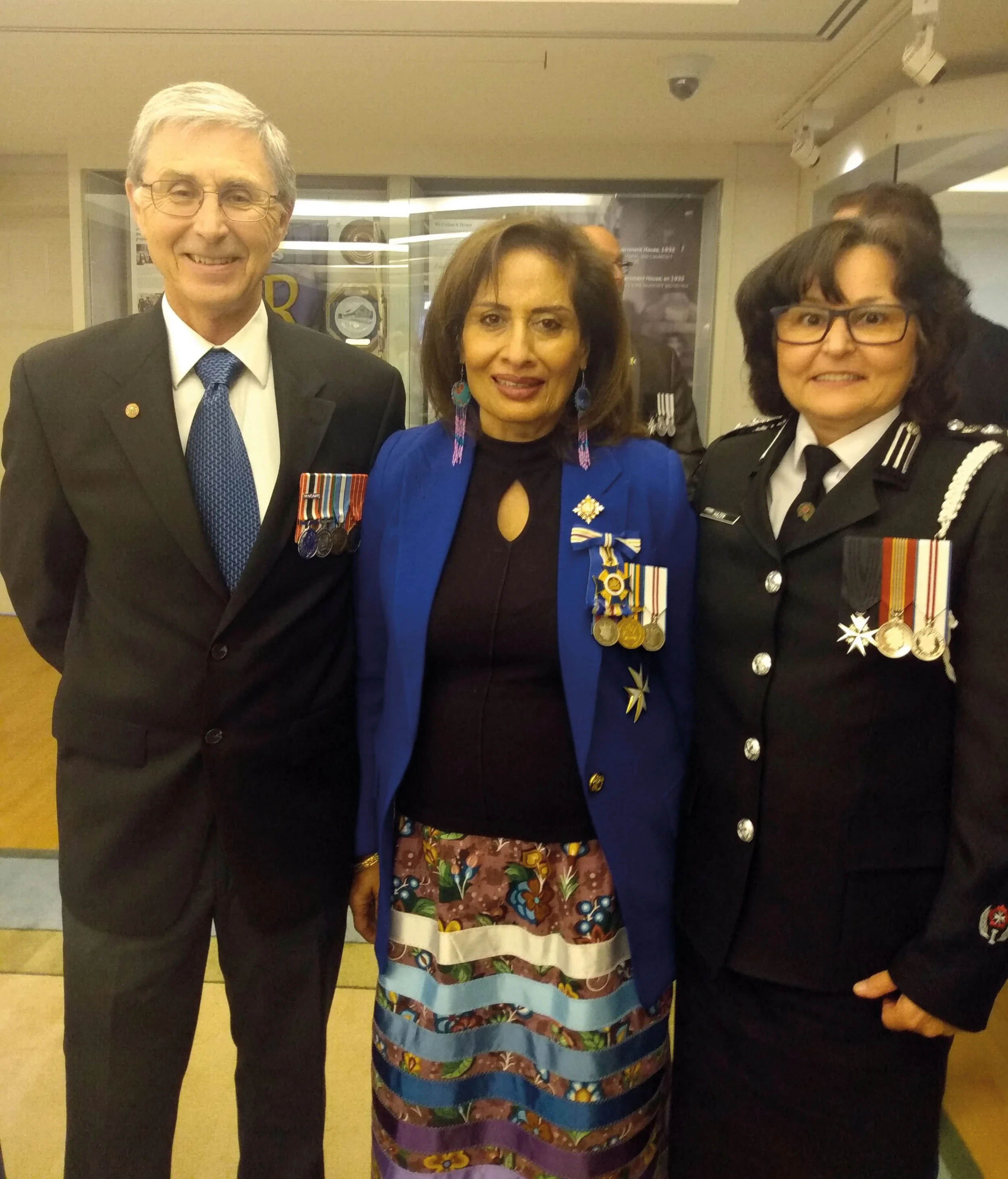
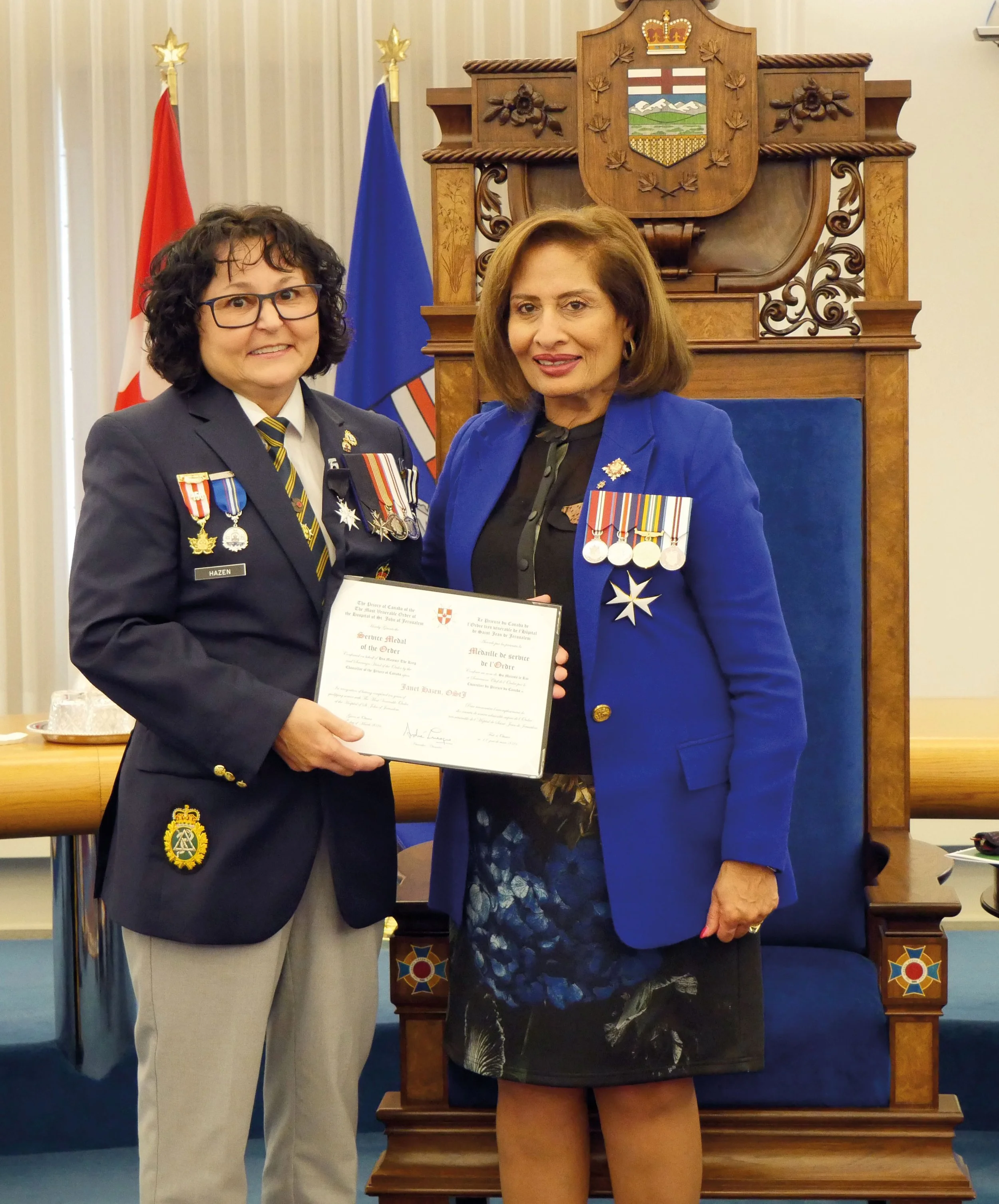
Over the years, Hazen built an impressive record of innovation, service, and achievement. While at the CFB Edmonton base hospital, she designed and developed both the Central Sterilization Room and the Adopt a Drawer Program. Her commitment to volunteerism has also earned significant recognition, including the King’s Coronation Medal 2025, Queen’s Platinum Jubilee Medal 2022, and Sovereign’s Medal for Volunteers of Canada 2018. She was promoted to Officer in the Order of St John in 2023.
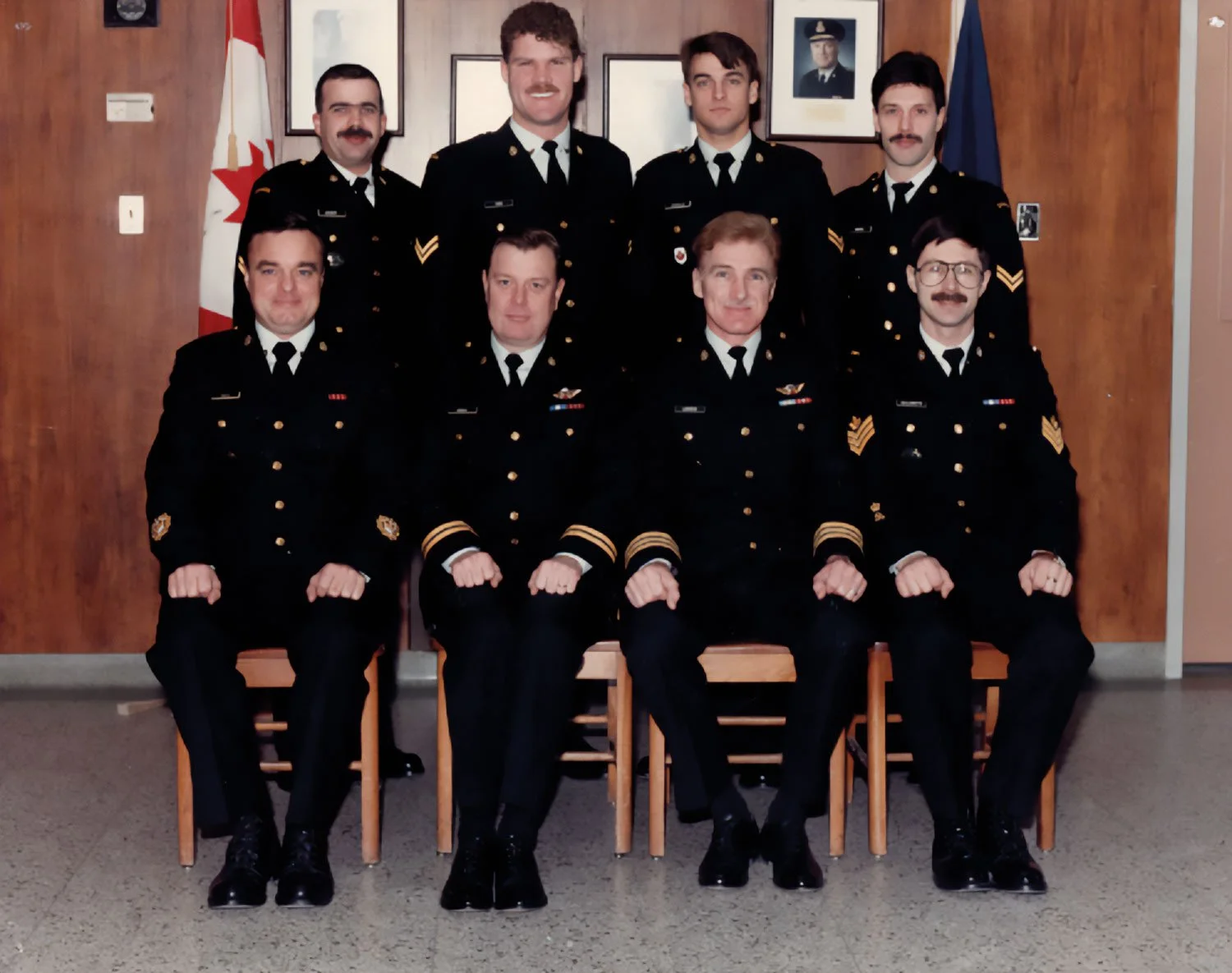
Guillemette is another lifelong learner with an impressive list of volunteer endeavours. He enlisted in the army at 17 to follow in the footsteps of his older brother, Gaetan.
“My brother joined the military before me because he’s nine years older than I am. That’s maybe why I mainly went into the military. It was also for the camaraderie, structure, and yeah, the discipline too.”
After completing basic training at CFB St. Jean, Quebec, Guillemette was off to CFB Kingston to qualify for his first trade, a radio operator. Soon after, he was on his way to CFB Borden, where he was trained on how to drive some military vehicles.
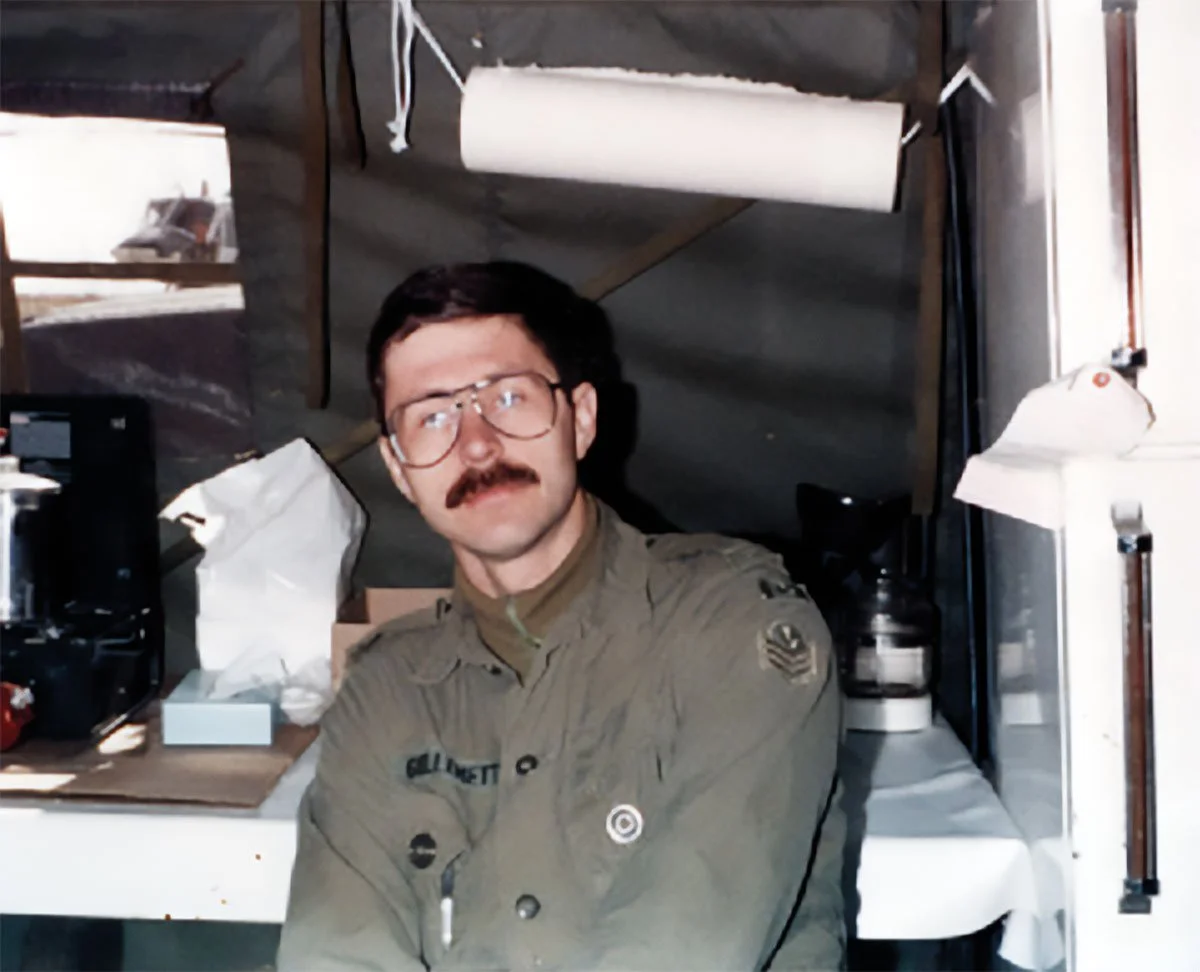
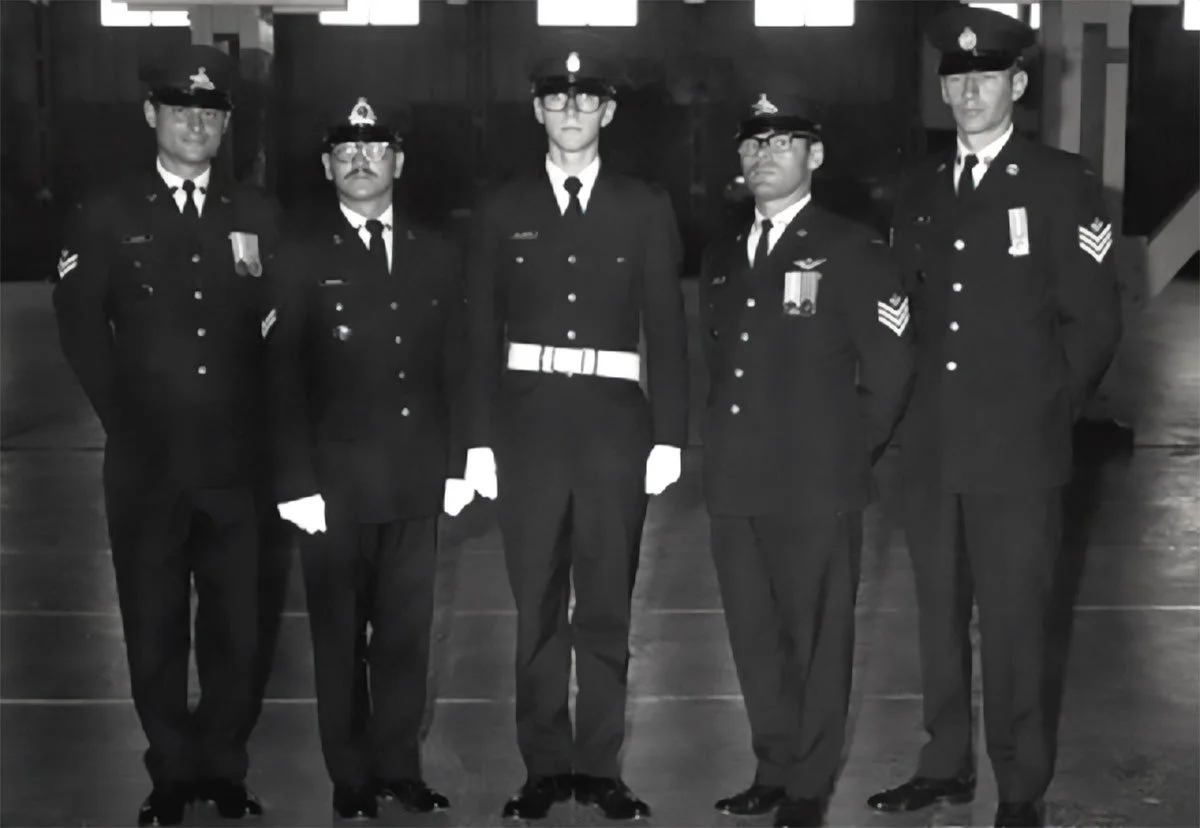
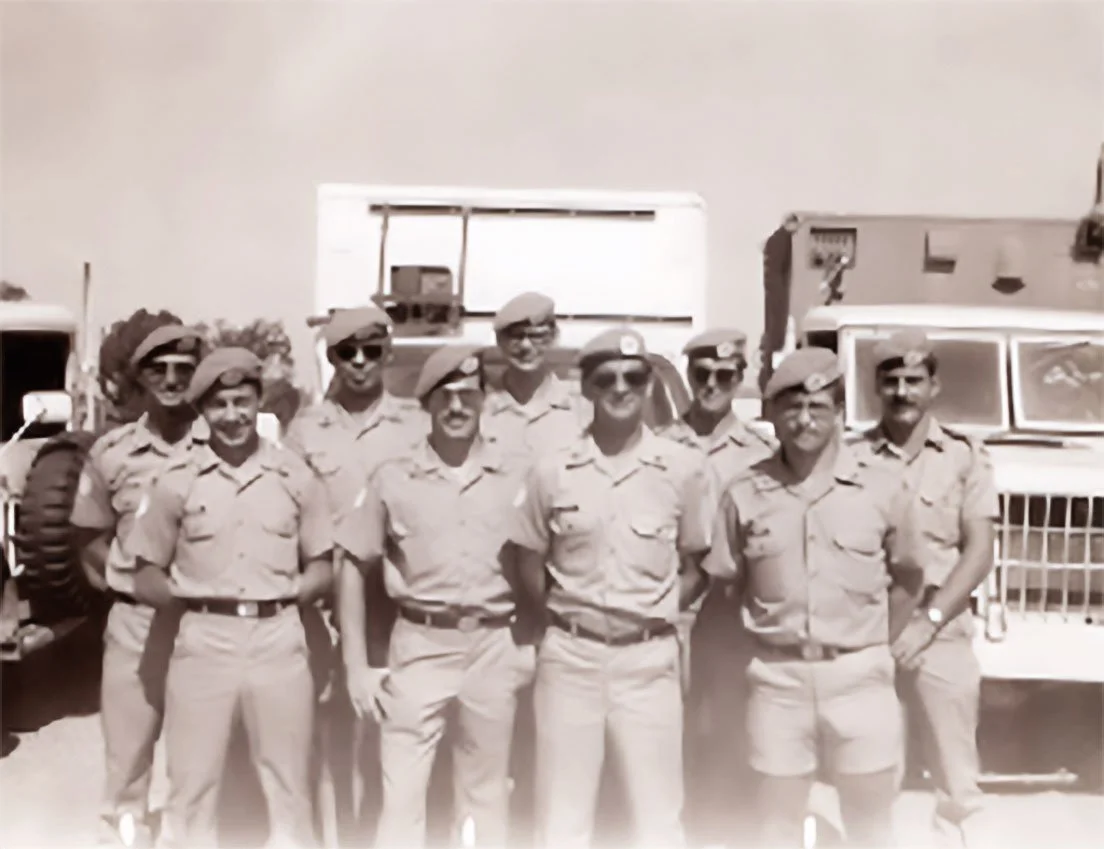
“Later in 1977, I got my first posting to CFB Valcartier with the infantry battalion called The Van Doos,” recalled Guillemette. In 1979, the battalion was deployed to Cyprus as part of a UN peacekeeping tour. “I was part of it for six months.”
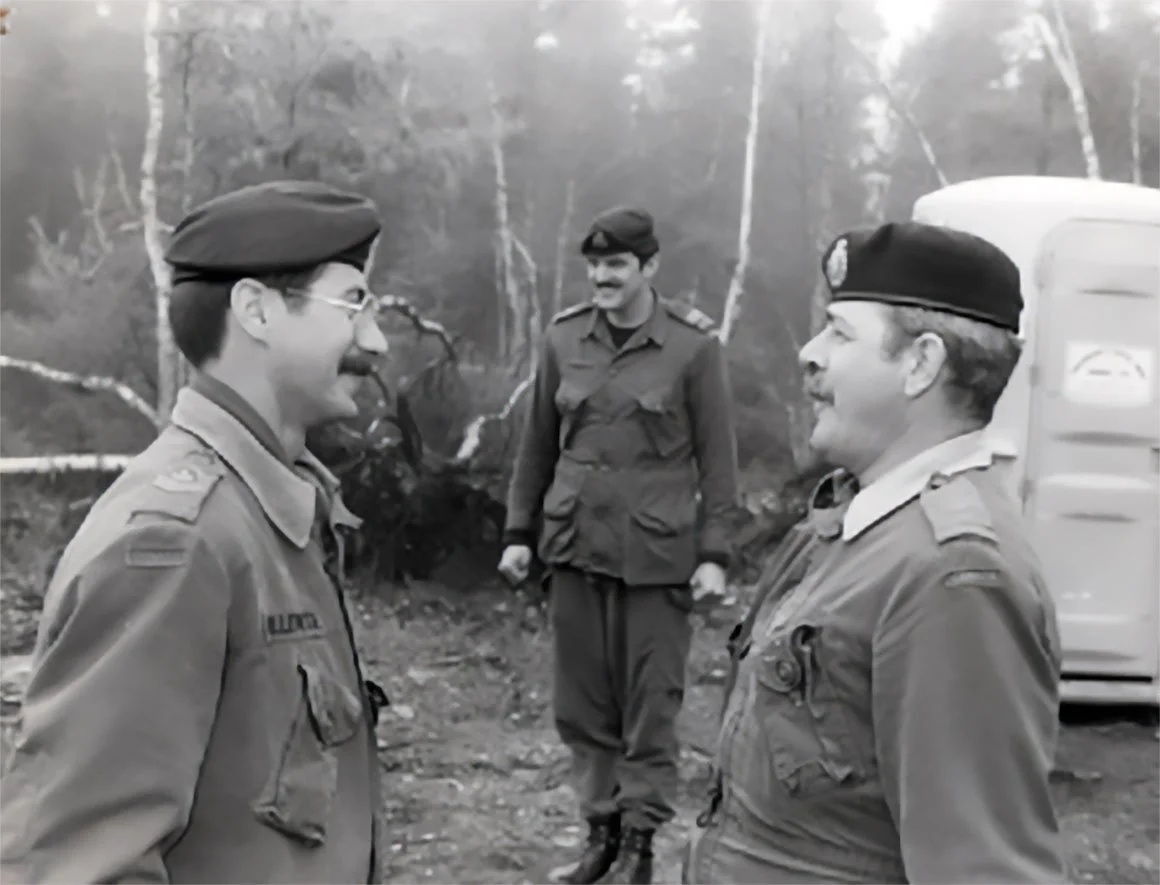
In 1981, Guillemette had his second posting to CFB Lahr (West Germany) with the Head Quarter and Sigs Squadron. “During those four years, I was a volunteer and instructed motorcycle safety for the Canada Safety Council.” Starting as an instructor, he soon became one of the chief instructors for the school.
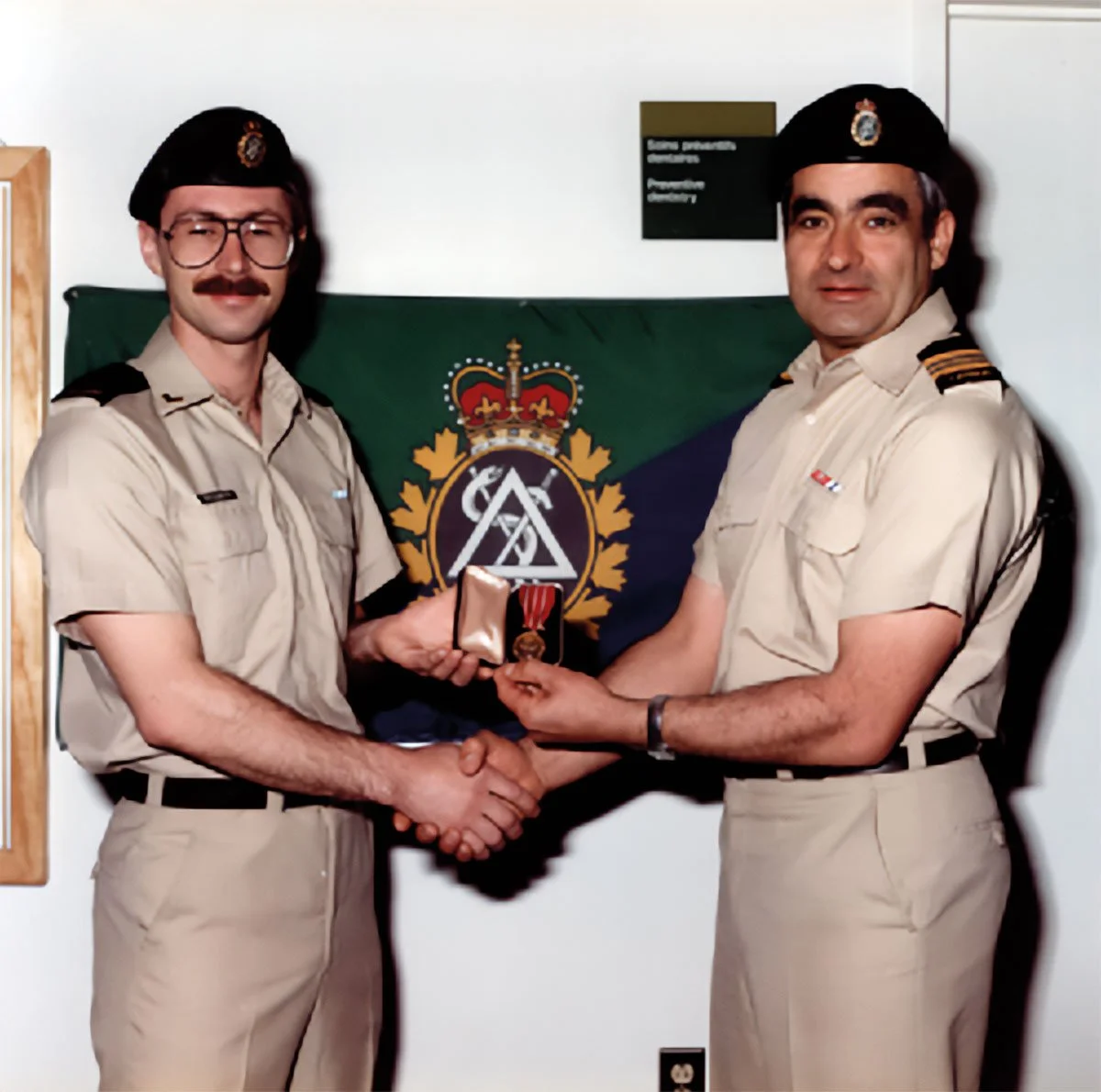
A few years later, Guillemette decided it was time for a change. He moved into another trade and became a qualified dental assistant. Once he finished his education at CFB Borden, Ontario, he was posted to the dental clinic at CFB St-Jean, Quebec, for two years. He soon qualified to be trained as a dental equipment repair technician with the Dental Corps at CFB Borden. This meant he repaired everything from little drills to the much more technical dental equipment.
When he retired from the military in 1995, he worked for a dental supply company as a service manager and then an equipment specialist/project manager until 2019.
Among his many accomplishments, he also volunteered for many years as a World Taekwondo Federation instructor and qualified up to the 4th Dan rank, which signifies a senior instructor. At this level, practitioners are recognized as a Master for their significant contributions to taekwondo.
He still remembers the bewilderment on his commanding officer’s face when he told him about his choice for a career change.
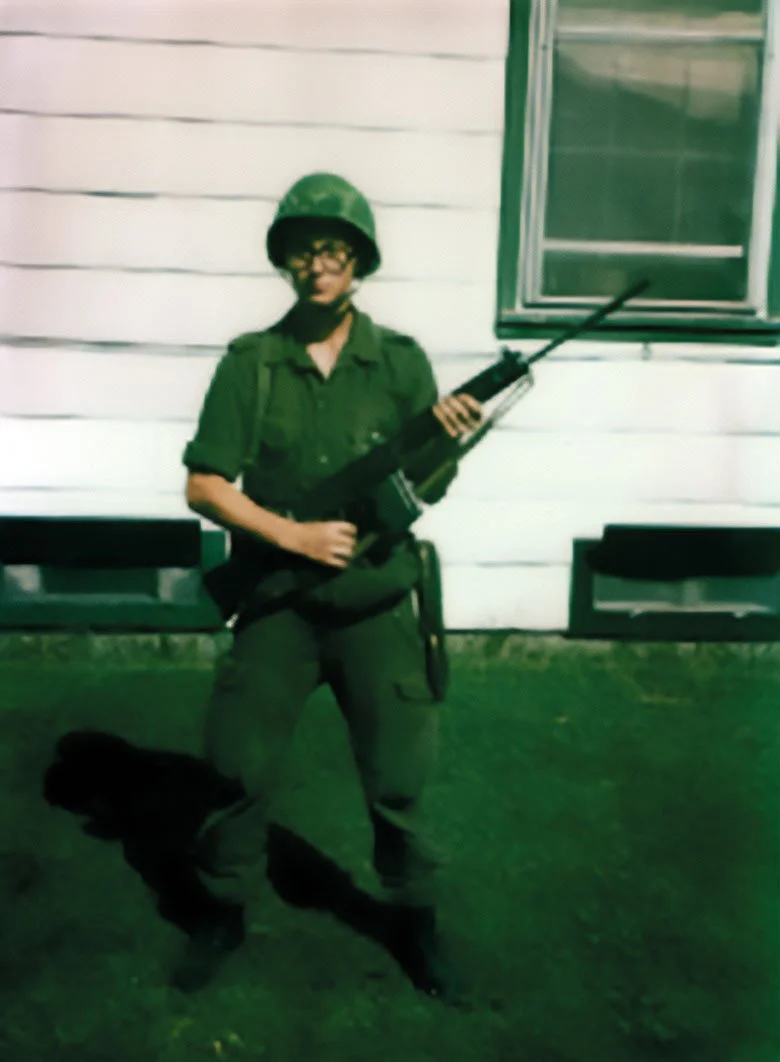
“He came to me with my transfer paper, and he said, ‘Master Corporal Guillemette, you know you have a good career. You’re sure you want to transfer to dental because you lose your rank and pay, so you’re starting over?’”
And I said, “Well, look around. We’re in the woods, in the mud.”
Without batting an eye, he deadpanned, “Yeah. You’re on an exercise.’”
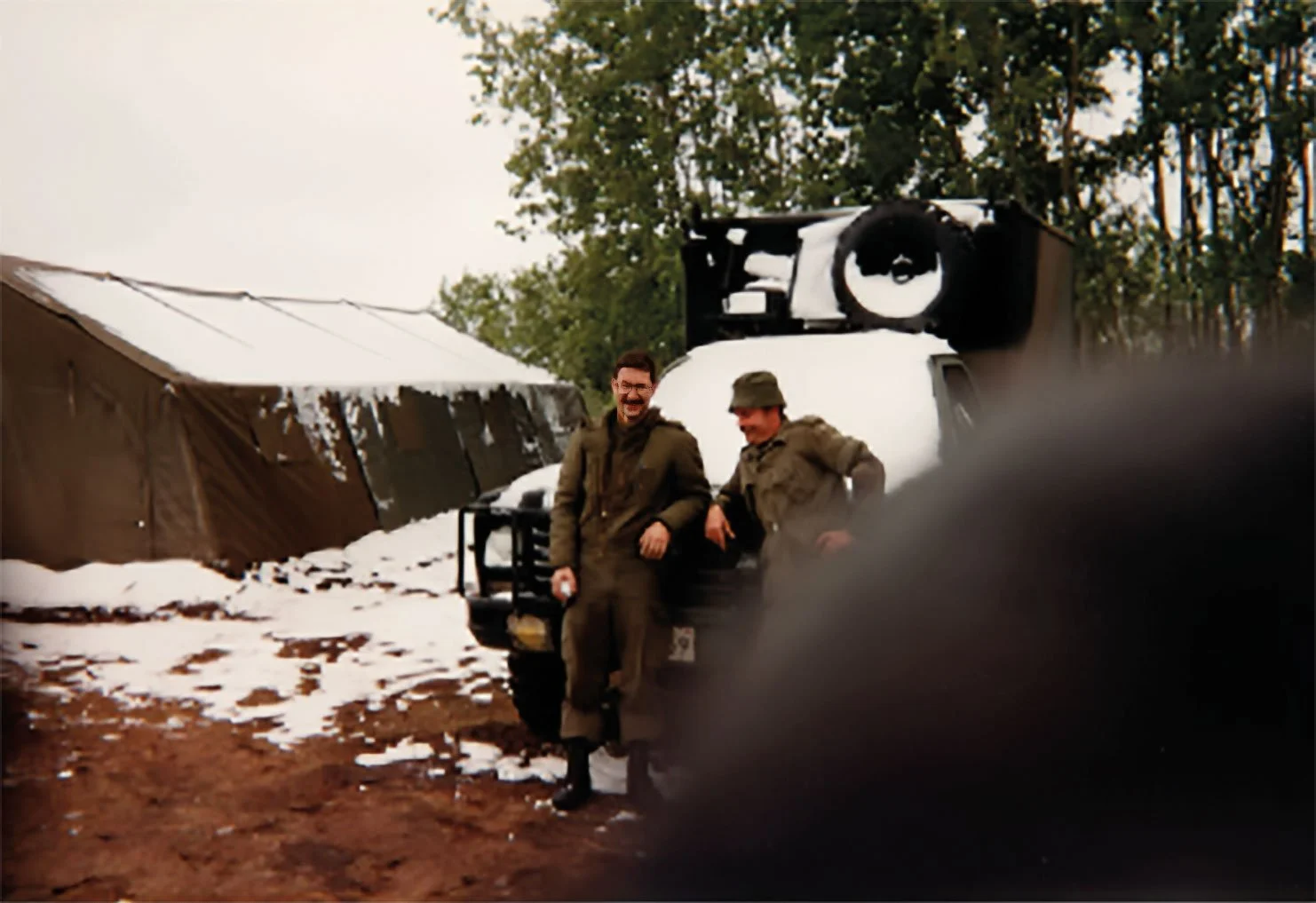
I said, “I’ve been rolling in the mud for years, sleeping in a tent for six months at a time. I’m going to a nice warm dental clinic, and that’s it.
“I’ve had enough of roughing it. I want, you know, a little better.
“He said, ‘Okay, that’s fair,’ signed the papers, and away he went.”
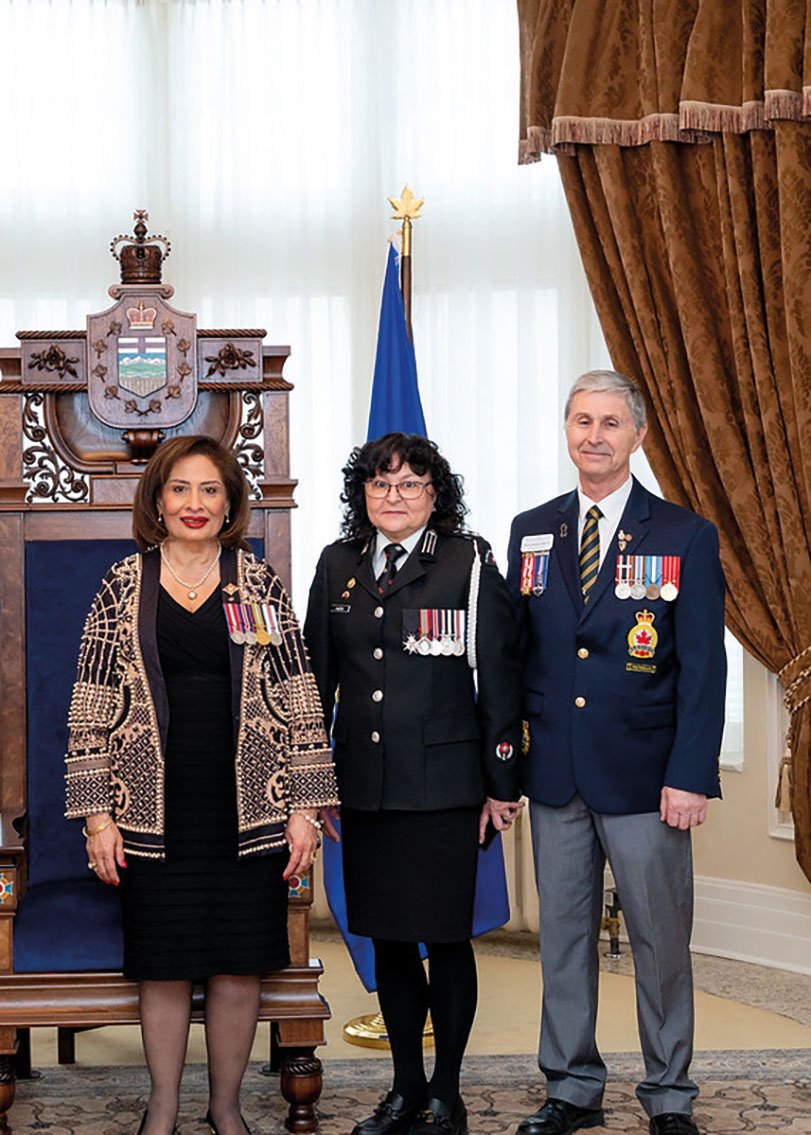
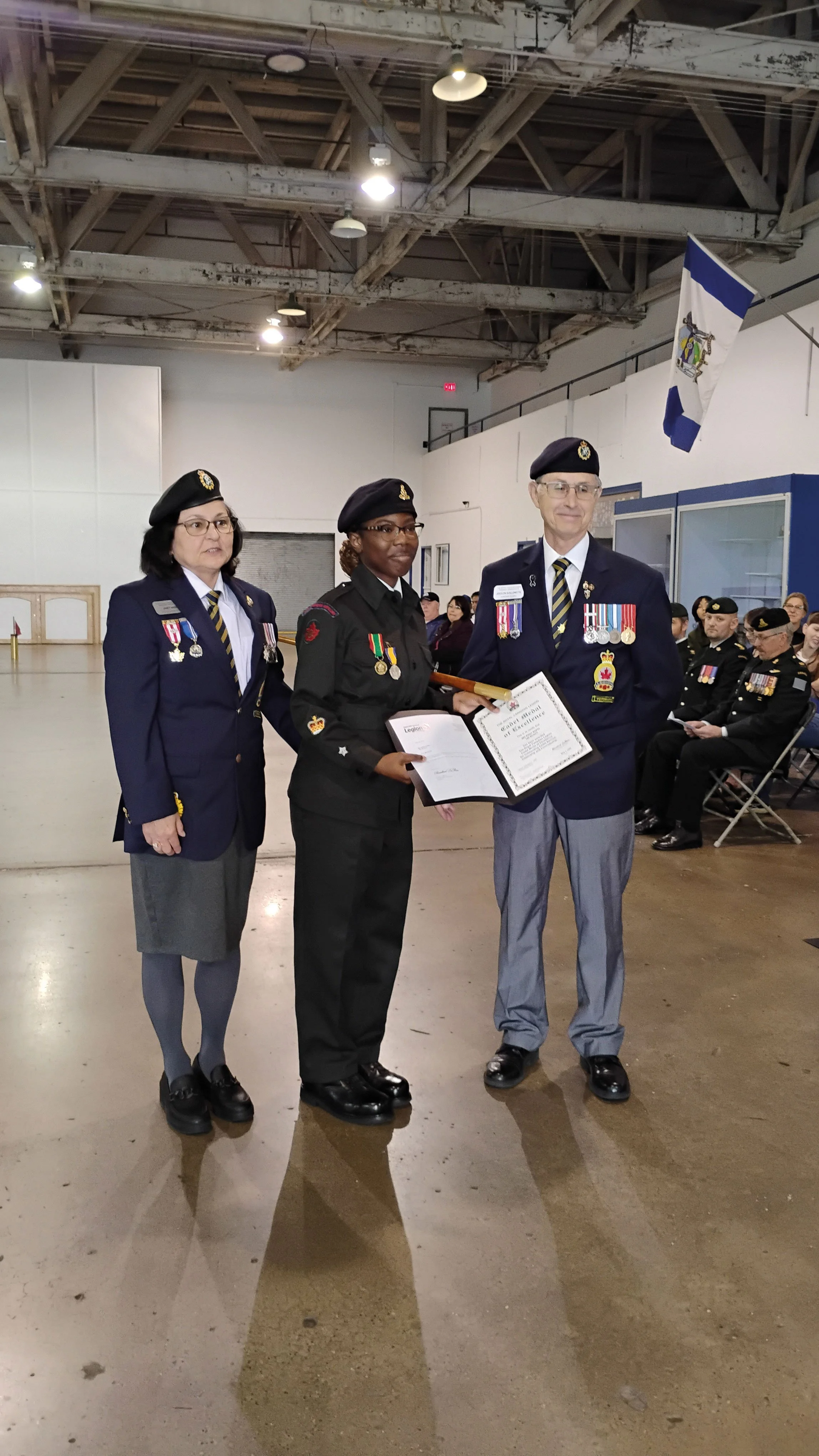
With their official uniforms hung up, volunteering has become their full-time passion. Both are members of the Kingsway Legion (Royal Canadian Legion, Branch 175). Hazen serves as the Second Vice President, and Guillemette is on the Honour Guard and Cadet Corps Contact.
Their long-time involvement with Kindness in Action, a humanitarian organization providing dental health services to underprivileged third-world communities, has taken them on numerous missions to places around the globe, including some where their military training came in handy.
Hazen recalls the team’s third trip to Venezuela in 2009 ended up being their last to the country, given its volatility was becoming too troubling to ignore.
The team’s unease began when customs officials wouldn’t allow them to bring their costly medical and dental equipment into the country. Hazen said she pleaded with them to store it until the group returned to Canada in a week. Thankfully, they agreed.
When it came time to leave, eight team members were responsible for 10 bundles because some colleagues had continued on vacation. To avoid paying extra baggage costs of $100 to $200 for lost items, gauze and gloves were left behind, and other supplies were redistributed to the remaining baggage.
Just as they sat down to wait for their flight, Hazen heard the names of her team members being called over the loudspeakers. “I went to the counter and said, ‘I’m the team lead. What’s going on?’”
She was told she had to go to the baggage area in the lower level of the airport, though no reason was provided. With increasing anxiety, Hazen reached for her backpack but was quickly ordered to leave everything behind, including her documentation. Wearing a yellow fluorescent vest the authorities had given her, she followed officials into the bowels of the airport.
She was greeted by members of their national guard with three or four German Shepherds. They wanted to search every bundle and bag. Given the team’s equipment had been in airport storage for a week, there had been no time to properly inspect it before checking in.
“I’m thinking, ‘Oh my God. Maybe there’s something in it, or somebody used it,’” recalls Hazen. The language barrier deepened her anxiety, and she wished she’d taken more Spanish classes in school. She worried about the antivirals and other medications packed inside the bundles.
“The whole time I’m sweating and praying nobody stuck anything in.”
Thankfully, nothing illicit was found, but when the inspection ended, the team’s bags and duct-taped Rubbermaid totes lay open and scattered while the team’s flight was leaving shortly.
In the final tote that had been opened for inspection, Hazen discovered two rolls of duct tape. Managing to convince one of the guards to help her, they resealed the totes, relieved but shaken by how easily the ordeal might have ended differently.
“This was an hour and a half, two hours, and Jocelyn was having kittens because he didn’t know where I was or what was happening. Everything was fine, but I said that’s the last time we’re coming here because you never know.
“Having the military training makes you aware of your surroundings. In Guatemala, for instance, every weekend the National Guard would come into Guatemala City just to keep it calm, and then they move out.”
Around 2013, Guillemette was off to Uganda for another Kindness in Action mission to set up a permanent dental clinic made possible in part by a donation of dental equipment from a local dentist who was retiring from his Edmonton practice.
“I was there for three weeks, which was an experience on its own.
“The villagers were protecting us, but at night, the doors were locked, and nobody went out for their own safety.”
Not every mission, however, was tense. Some still made them laugh, like Guillemette’s sudsy sprint between showers in Venezuela.
In communities where water was scarce, visitors learned to conserve every drop, though sometimes they forgot and the water ran out before the rinse.
During one mission, the team stayed in a two-storey house where water flowed only every second day to fill a large barrel on the roof. Every drop counted until the next refill.
“I hopped in the shower, put the shampoo in my hair, got a lather going – and ran out of water,” he chuckled. Knowing the downstairs shower had a separate supply, he wrapped himself in a towel and made a dash for it. His teammates promptly began laughing and shouting, “Look! Look here!” and snapping photos as he raced by, soap still in his hair. “That’s all part of the camaraderie.”
The impact on communities is also what draws people to these missions.
Hazen remembers a small boy during her first mission to a little village in Guatemala. Horatio had rancid decay throughout his mouth. All his primary teeth had to be pulled. “He gets in the chair, and what a trooper. He didn’t wince or cringe; nothing.”
There was always a toy room for the younger children to select a toy or clothing when their dental checkups were finished.
“I’m thinking he’s going to go for a little tinker car or something. No, he went for shoes because he’d never had shoes in his life. Now he can walk to school in shoes.
“The next year I go to the same village, and there’s Horatio. He’s in the line for dental care, but he doesn’t have any teeth. I went over to talk to him, and I said, ‘What are you doing here?’ and he points to his shoes. He’d outgrown the pair from the year before and had even cut off the ends so his toes were hanging out,” laughed Hazen, who led him back to that toy room to get a better-fitting pair.
“Those are the impacts that make the difference; they really do.”
Another trip, Hazen was in the Andes where the people are known for their big hats and wool capes.
“We’re there doing treatment, and a young lady comes in, maybe 18 or 19. She was in her traditional dress. We couldn’t talk to her because she spoke a different dialect of Spanish and she wouldn’t lie down for us to examine her,” remembers Hazen.
“We finally found a translator that spoke her dialect, and we learned she had given birth the day before. She had walked hours to come and see us because she’d never seen a dentist in her life.”
Her tiny bundle of joy was tucked into a manta carry under the mother’s cape. That’s why she couldn’t lie down.
“Like I said,” she added, “if it wasn’t for what we learned in the military, we wouldn’t have done the things that we did.”
Given their past involvement with the military and current work with the Kingsway Legion, both Hazen and Guillemette recognize the importance of the Legion for veterans as well as First Responders with St. John Ambulance and the services it offers.
“Legions are open to everybody, and that’s an important thing to know because people think you need to be military. You don’t. Everyone is welcome,” added Hazen.
“We have a service officer, so if veterans are in distress, they need money for food or rent, we have resources through the Poppy Fund to help them immediately.”
Within the walls of a Legion, veterans and others can find solace and mutual understanding with people who have shared similar experiences.
“Nobody understands some of the things you have to go through when you serve in the military,” acknowledged Hazen.
“You see the trauma, and you can relate because that other person understands where you’re coming from. You don’t always have to say anything; you just have to be with them.
“It’s an important place to have for veterans and everybody.”
Guillemette liked it to peer-to-peer support. “It’s like the Veterans Association Food Bank. They have a special food bank for veterans because a lot of them won’t go to other food banks. They don’t want people to see that they’re desolate or they’re desperate because of the wounds.”
Hazen pointed out you didn’t need to be in theatre or be deployed to see the trauma.
“Even working in the dental clinic, we had to clear everybody before they could go and clear them when they came back from a deployment. You see these young fellas, maybe 19 or 20; they go there, they come back with no arms or legs, or not at all.”
Guillemette relates the experience of one of his retired military friends, also a dental technician who went to Afghanistan as a civilian to repair medical/dental equipment. “He came back and said, ‘I’m not going back because I saw one of my friends. I had to go fix the operation table for his X-rays, and he was no longer six-foot-two. Only four feet of him remained on the table.’”
The important thing is the Legion gives veterans a place to go and the support they need that they don’t necessarily get from Veterans Affairs.
“It’s a safe place,” describes Guillemette. “The Legion is a big place for camaraderie and support.”
Carol Christian
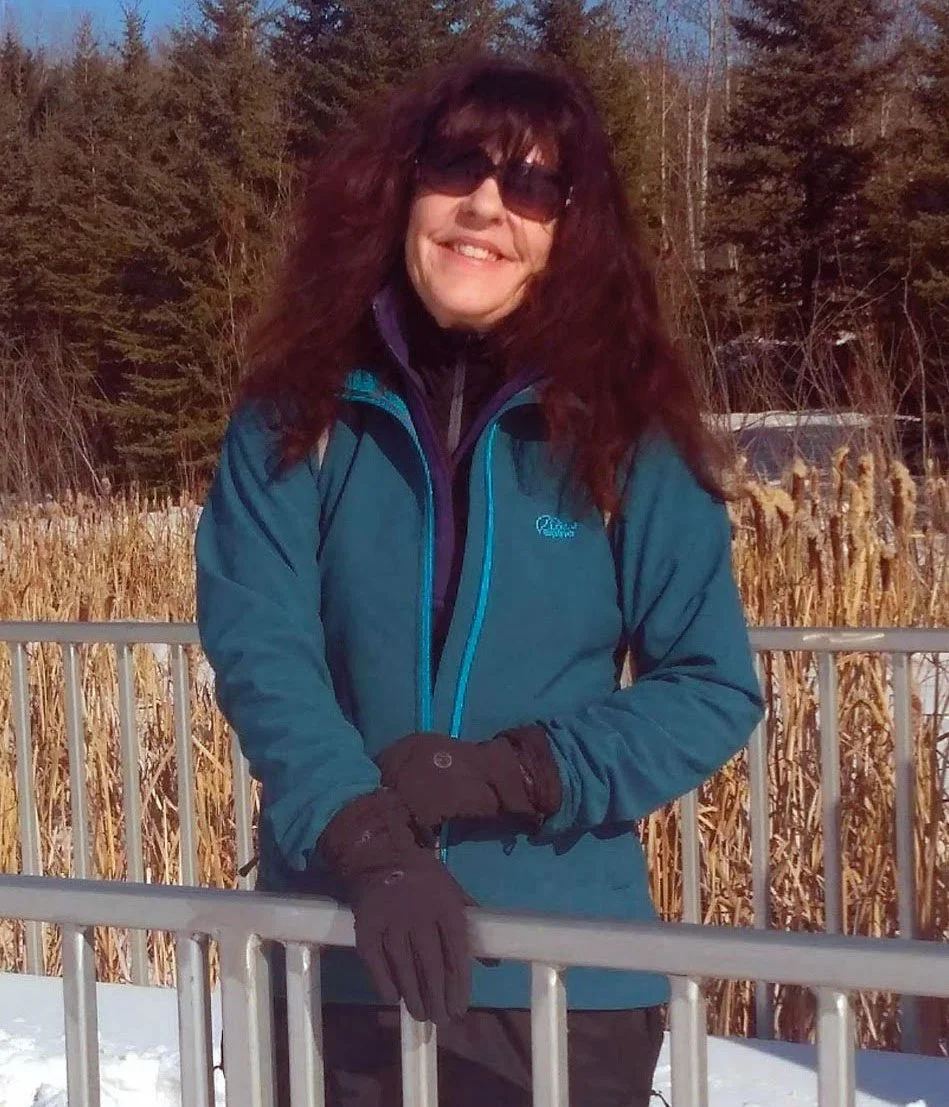
Carol Christian loves to write and tell people’s stories. She is a former journalist with a few awards, but no Pulitzer…yet…and loves being behind the camera catching awesome smiles and beautiful landscapes.
She is a strong believer in teamwork and helping others and lives by the Golden Rule. Always engaged with her community, Carol is a long-time volunteer who always gives back. She thoroughly enjoys the outdoors, and all the pursuits that go with it…hiking, camping, kayaking, and so on.