

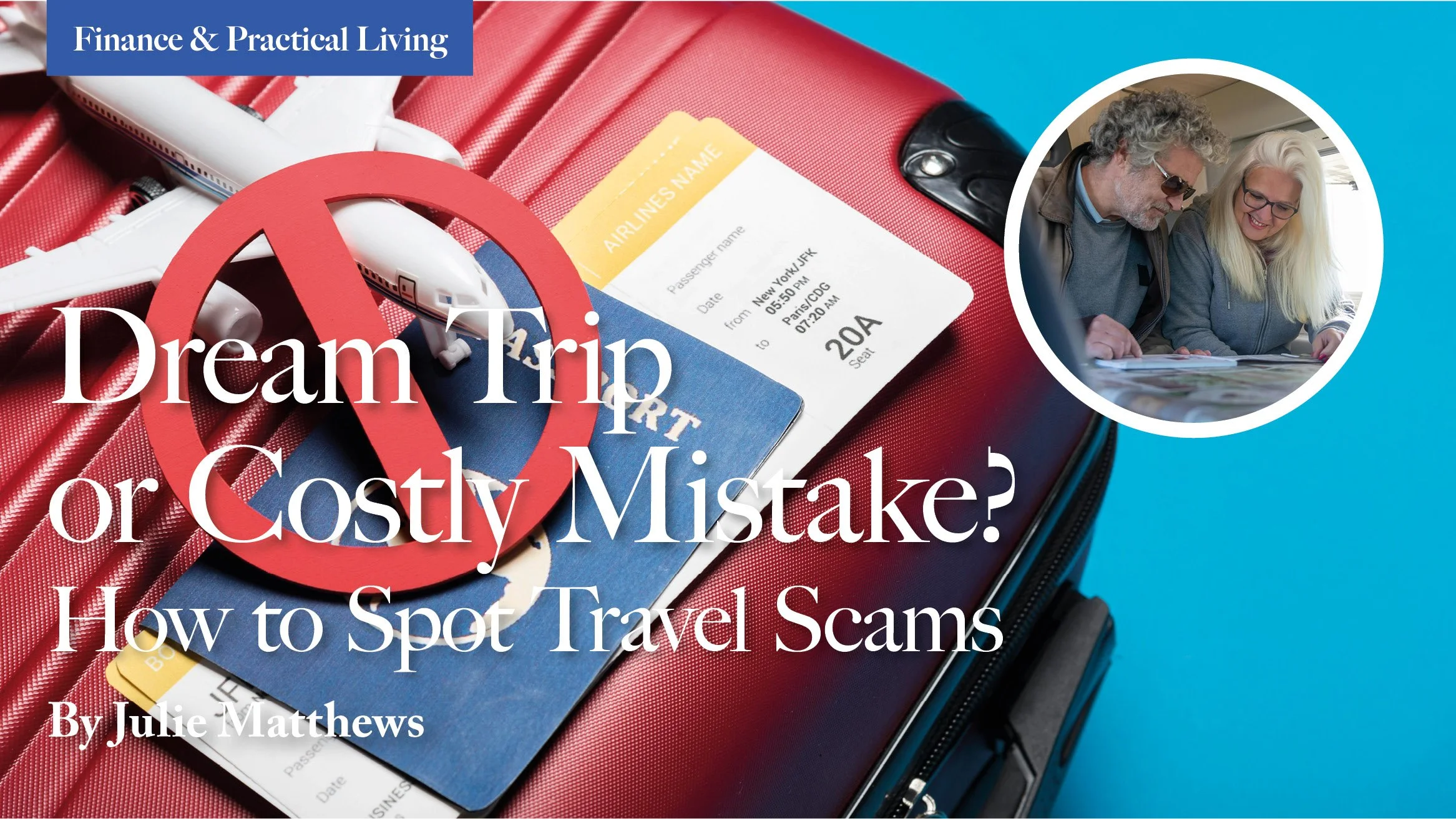
Dream Trip or Costly Mistake? How to Spot Travel Scams
By Julie Matthews
It was a long winter. What better way to celebrate spring than with the perfect getaway? The destination is booked, and everything seems great until you arrive and discover there’s no reservation.
Travel scams are becoming increasingly common and more sophisticated. Fraudsters know travellers are excited, sometimes rushed, and not always familiar with the platforms they’re using. They use this against us.
Fake Websites and Listings
One of the most common scams involves fake booking websites and rental listings. These websites can look nearly identical to legitimate travel platforms, advertising hotels, vacation homes, or tours that either don’t exist or aren’t available through them. Fraudsters may pay more to advertise with the search engines to ensure their phony websites show up near the top of an online search. Travellers may not discover the problem until they arrive, and there is no record of their booking. The same thing can happen with phony travel agents or group tour organizers.
Tips:
Don’t pay any funds or provide any information until you do your research.
Search online carefully. Double-check the website address to ensure you are on the legitimate one.
Read reviews for the company and/or tour before you book. Get references.
Once you have an address for the property, verify its location through online maps and research.
Bogus Travel Insurance
Some companies promote policies that appear to offer comprehensive travel coverage, but in reality provide little or no protection. Travellers may believe they are covered for cancellations, medical emergencies, or lost luggage, only to find out when they need help that the policy is essentially worthless.
Tips:
Research the travel insurance company and its policies. Read reviews/complaints.
Read ALL of the fine print in the policy before you sign! This is where the surprises may be.
Ask questions to ensure you understand what is and is not covered.
You may already have some travel insurance through your credit card if you book with that card. Some trip cancellations, lost luggage etc., may be covered in your policy. Research this before paying for another plan.
Not-so-Free Vacations
You may encounter offers for “free” or heavily discounted vacations. These promotions often promise cruises, resort stays, or luxury getaways, but require payment of fees or attendance at timeshare presentations. In many cases, the trip either doesn’t exist or ends up costing far more than expected. I have spoken with travellers who felt trapped for hours in a high-pressure timeshare presentation. In some cases, they signed up because they felt like it was the only way out.
Tips:
Messages claiming “you’ve won a trip” are a red flag, especially when arriving unexpectedly by phone, email, or social media.
If it seems too good to be true, it usually is.
Don’t allow yourself to be pressured. Walk away.
Customer Service Fakes
When travellers search online for help, particularly during flight delays or cancellations, they may be unknowingly contacting scammers. Fraudsters may place fake phone numbers and websites for airlines and hotels at the top of search results. Victims who call these numbers or click on these websites may be asked to pay rebooking fees or provide credit card details. These scams take advantage of stressful situations and vulnerable travellers.
Tips:
Double-check the website and phone number before you call or click.
If you are at the airport, approach an airline staff member for assistance or to verify the number to call.
Beware of Public Wifi
Public Wi-Fi networks or public USB chargers in airports, hotels, and coffee shops can expose your personal and financial information. Hackers may intercept data or attempt to install malicious software on your device without your knowledge.
Tips:
Read the terms and conditions of the public wifi before joining
Don’t do any online banking or shopping while on public wifi
Don’t plug your phone directly into a USB port in a public place. Use a charging block and plug directly into an electrical outlet instead
Trust your instincts. If something feels off, take a step back and investigate. Don’t let a fraudster ruin your next vacation.
Bon Voyage!
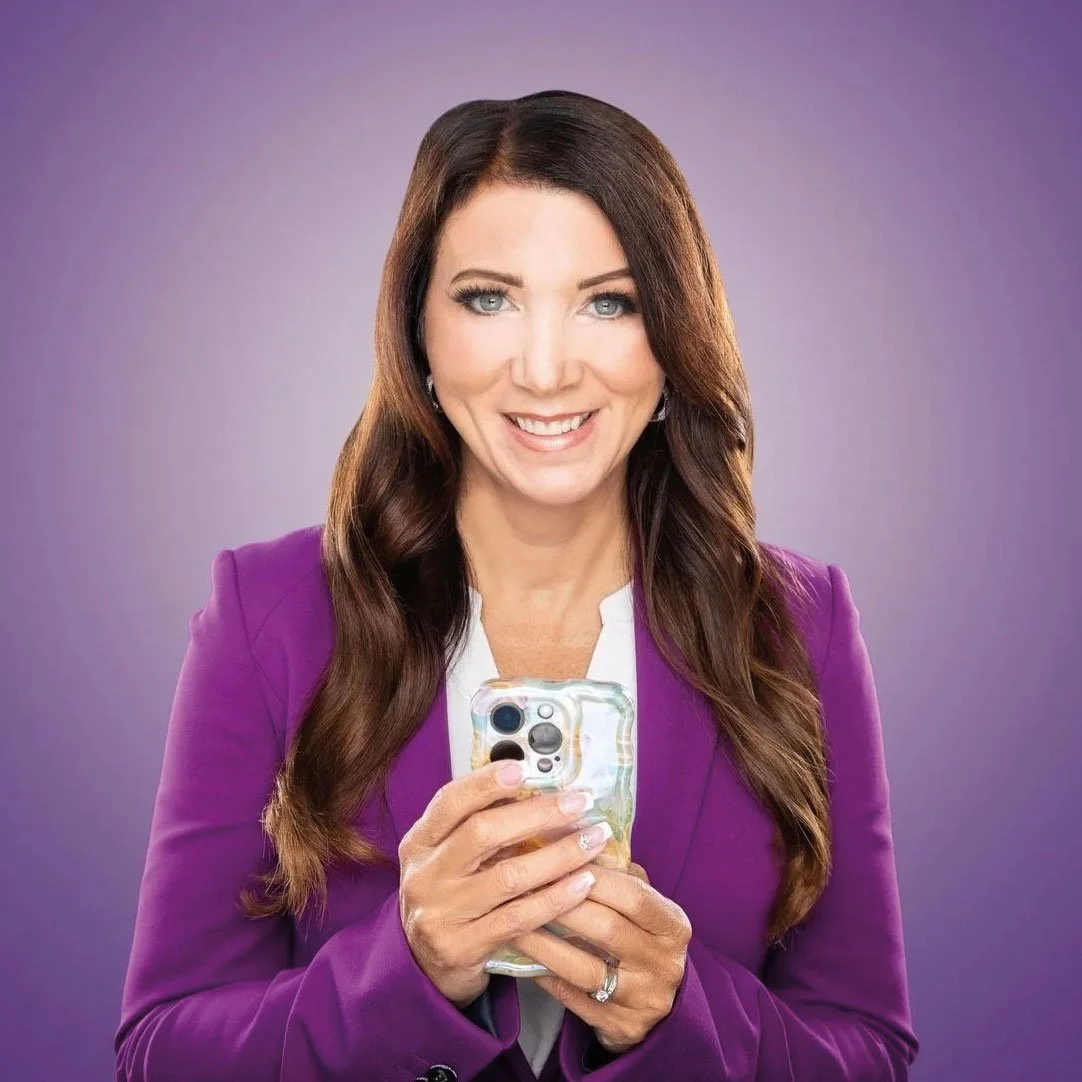
Julie Matthews
Julie Matthews provides dynamic fraud prevention presentations across Western Canada to seniors, businesses and communities. Before starting her own business, Julie was an Investigative TV reporter for 19 years and an investigator with the Government of Alberta’s Consumer Investigations Unit. She is a certified fraud examiner and has the popular weekly segment “Scam Alert” on 840 CFCW radio.
For more information or to book Julie, visit her website juliematthews.ca.