

Aging in Place: Making Winter Safer at Home
By Kathy L. Belton, PhD
For many older adults, aging in place offers comfort, familiarity, and independence. Yet as temperatures drop and days get shorter, winter can introduce a unique set of risks. Slippery walkways, icy steps, power outages, and the simple challenge of staying warm turn everyday routines into potential hazards. With thoughtful planning, older adults can continue living safely and confidently in their homes throughout the winter months.
Winter weather magnifies some of the most common dangers seniors face, especially falls. One in three older Albertans falls each year. Icy sidewalks and driveways may be the most recognizable threats, but indoor spaces can also become riskier in colder months. Entryways can turn slick with melted snow, while bulky winter clothing may restrict mobility or obscure tripping hazards. Removing clutter, securing loose rugs, and improving lighting in hallways and staircases can reduce the risk of a fall. Consider adding non-slip mats in entryways where snow and ice may be tracked indoors. For older adults who use mobility aids, ensuring that floors are smooth, unobstructed, and well-lit is essential.
Cold temperatures themselves pose health risks as well. Older adults may have difficulty regulating body temperature, making them more susceptible to hypothermia—even indoors if the home is drafty or the heating system struggles to maintain warmth. Dressing in layers may help trap body heat.
Creating a Safer Outdoor Environment
A well-maintained exterior is the first line of defence in winter safety. Start with snow removal, hiring a reliable service or arranging help from neighbours or family ensures that driveways and walkways remain clear. Applying ice melt early and often prevents dangerous buildup, while adding handrails to both sides of steps can significantly improve stability. Choose insulated, non-slip shoes or boots with good traction for outdoors. Try to walk like a penguin for extra stability. Visit Alberta Health Services at www.penguinwalk.ca to learn how. Consider using grocery and prescription delivery services to minimize trips outside in bad weather.
Outdoor lighting is another consideration. Installing motion-sensor or dusk-to-dawn lighting along paths and entrances can help compensate for shorter daylight hours, providing better visibility and minimizing fall hazards.
Winterizing the Home Interior
Inside the home, heating and insulation should take priority. A pre-season furnace inspection can verify that the system is working efficiently and safely. Space heaters, if used at all, should have modern safety features like automatic shut-off and be kept clear of furniture, bedding, and drapes. Simple additions such as draft stoppers, thermal curtains, or weather-stripping around doors and windows help retain heat and reduce energy costs.
Keeping Well
Staying healthy during the winter months can be a challenge, but there are things that can help. Maintain a balanced diet and drink plenty of water and warm beverages, as dehydration can still occur in winter. Stay active with regular exercise to improve circulation and joint health and prevent falls. Older adults should aim to complete 2-3 hours of exercise per week, including exercises that challenge their balance and strengthen their legs every other day. Combat loneliness by scheduling regular phone calls, video chats, or visits with family and friends. Ensure a friend or family member has a spare key and checks in on you regularly.
Warmth, Safety, and Peace of Mind
Aging in place safely during winter may present challenges, but with thoughtful preparation, older adults can enjoy the comfort of home without compromising safety. With the right tools and awareness, winter can be a season of security, warmth, and continued independence. For more information on preventing falls and keeping well, visit Finding Balance.
About the Author
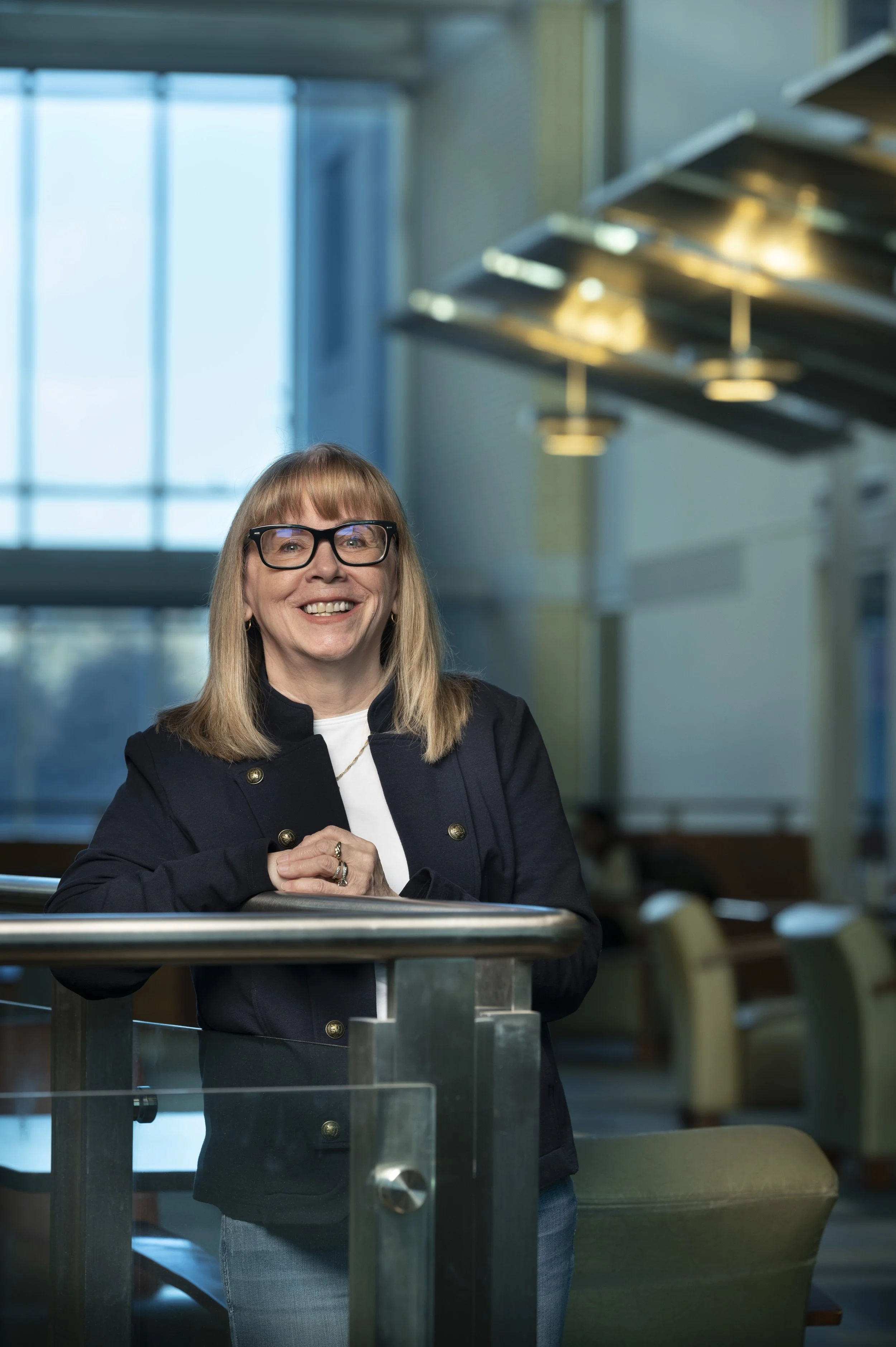
Kathy L. Belton, PhD
Dr. Belton is the Director of the Injury Prevention Centre and an Adjunct Professor in the School of Public Health at the University of Alberta. The Injury Prevention Centre’s mission is to reduce the societal and economic burden of catastrophic injuries in Alberta by building partnerships, promoting effective strategies and sharing knowledge.
Dr. Belton’s research focuses on knowledge translation for the prevention of unintentional injuries. Kathy’s areas of interest are: concussion, motor vehicle and farm-related injuries and falls prevention for seniors. Kathy has a Master's of Education specializing in Adult education and a PhD in epidemiology from the University of Alberta. In 2013, she was awarded the National Leadership Award for her work in injury prevention. As an injury survivor, she knows first-hand the impact of preventable injuries.
As a volunteer, Kathy has served on numerous committees, boards, and foundations. In 2022, she was awarded Queen Elizabeth II’s Platinum Jubilee Medal (Alberta) for her contribution to the province for her work with the Lifesaving Society of Alberta & Northwest Territories.