

By Melanie Hval, MN, RN
I
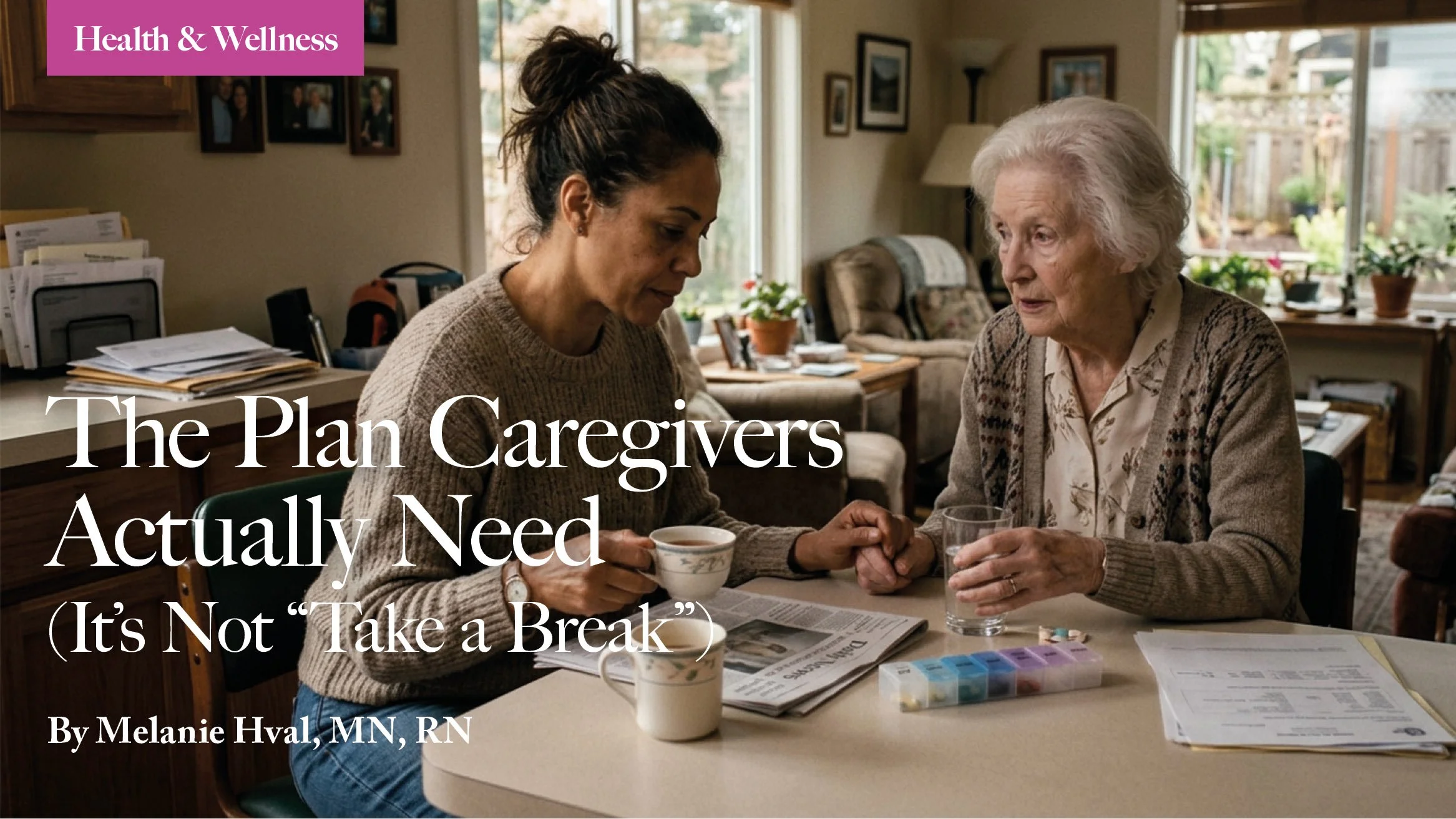
f you’re caring for a parent or spouse at home right now, someone probably told you this week to take time for yourself. A walk, a bath, a coffee alone. It’s well-meant. It’s also not much help when the medication schedule is easy enough to hand off, but you’re still the only one with the patience to get them out of bed without wrecking both your days.
Right now, in Alberta, roughly 1 million people are doing exactly what this article is about: providing unpaid care to a family member or friend, without a salary. Between them, they put in about 647 million hours a year, worth an estimated $12-billion to a system that would otherwise have to pay for it. Family caregivers deliver up to 90% of the care that keeps people out of hospital and long-term care. Nationally, a 2026 survey from the Canadian Centre for Caregiving Excellence valued unpaid care at $97-billion per year, with half of caregivers reporting financial strain and 1 in 5 spending over $12,000 per year out of pocket.
Here’s why this keeps growing. Alberta had approximately 490,000 seniors in 2013. By 2023, that number had climbed past 750,000, roughly 260,000 more people in a decade. Within two decades, 1 in 5 Albertans will be 65 years of age or older. The baby boomer generation is now moving through the years when health needs climb fastest. Most have also stated clearly that they would rather stay in their own homes than move into care. That’s a reasonable wish. It means more families doing this work, for a longer period of time, with less warning than they would like.
So, let’s skip the bubble bath advice and talk about what actually helps.
Start with a plan, not a crisis. Families write wills for money and property. Very few sit down and write a plan for care: who does what, what happens if the primary caregiver gets sick, what the budget looks like, and what the person receiving care wants. Having that conversation early, while everyone can still think clearly, saves a lot of guesswork and guilt later.
Find out what’s actually available before assuming there’s nothing. Alberta Health Services offers respite through Continuing Care, in-home or overnight in a care facility, arranged through a home care case manager. Many regions also run adult day programs and family caregiver wellness workshops. In smaller towns, community associations often fill gaps the health system doesn’t reach. None of it is obvious from the outside. Usually, one phone call tells you what’s there.
Get honest about money early. We hear “we can’t afford help” often, from people sitting in a paid-off house. That may be true, or it may not be. It’s worth finding out rather than assuming. A conversation with a financial advisor, or a mortgage specialist about what your home equity can support often changes the picture.
Divide the load on purpose. Caregiving research keeps landing on the same point: burnout isn’t solved by rest; it’s reduced by sharing the mental load. That means naming specific tasks and handing them to specific people - a sibling, a neighbour, a paid provider- rather than assuming it’s all yours to carry. It also means protecting your own health on purpose: eating properly, moving, staying socially connected, not as an indulgence, but as basic maintenance for the person keeping the whole system running.
None of this makes caregiving easy. But it makes it sustainable, and sustainable is the actual goal, for you and for the person you’re caring for.
Before any of that, talk to your family. Ask the person you’re caring for what they want, and ask the people around you what they can take on. If you’re early in this, start that conversation now, before a crisis forces it.
A few calls worth making:
211, for what’s available in your community
The Alzheimer Society of Alberta and NWT, if dementia is involved
A local home care provider, for an in-home assessment or advice
A financial advisor who specializes in care planning, often available by phone
Melanie Hval
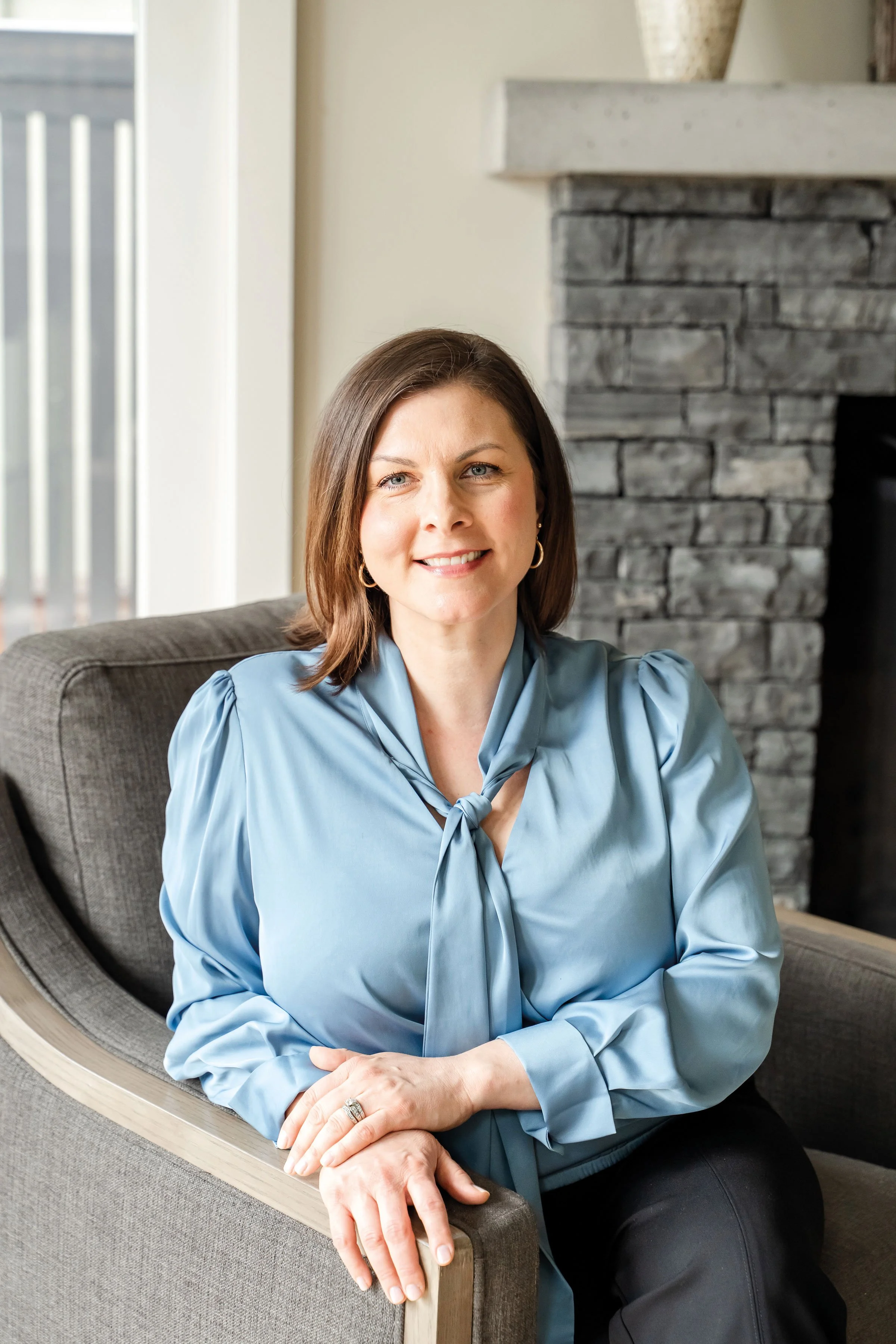
Melanie Hval is a Master’s-prepared Registered Nurse and Founder of Compass Rose Care, a nurse-led private home care company based in Calgary. For more information, visit compassrosecare.com.